How to Maintain Car Batteries
Learning how to maintain car batteries is one of the simplest ways to avoid unexpected breakdowns and save money. With just a few routine checks, you can keep your battery healthy and extend its lifespan by several years. This guide covers everything from cleaning terminals to testing charge levels in plain, easy-to-follow steps.
Your car battery works hard every single day. It powers the starter, keeps the lights on, and runs all the electronics you rely on. Yet most people only think about their battery when it dies. That is a costly mistake. The good news is that how to maintain car batteries is not complicated at all. A little attention goes a long way. You can keep your battery strong for years with just a few simple habits.
Whether you drive a new sedan or a trusty old truck, battery care matters the same way. The tips in this guide apply to almost every vehicle on the road today. We will walk you through everything step by step. You will learn what to check, how to clean, and when it is time for a replacement. By the end, you will feel confident taking charge of your battery health.
Let us start with the basics. Understanding what your battery does and how it works makes the rest much easier. Once you know the foundation, the maintenance tasks become second nature. No mechanic degree required. Just a few minutes of your time and a willingness to stay ahead of problems.
Key Takeaways
- Clean terminals regularly: Corrosion on battery terminals is the number one cause of starting problems.
- Check battery water levels: Low fluid can damage the internal plates and shorten battery life.
- Test your battery often: A simple voltage check can warn you before a full failure happens.
- Drive smart: Short trips and extreme weather hurt battery health over time.
- Know when to replace: Most car batteries last three to five years with proper care.
- Avoid common mistakes: Leaving lights on and ignoring warning signs drain batteries fast.
📑 Table of Contents
- Understanding Your Car Battery
- Regular Maintenance Tasks for Car Batteries
- How to Clean Battery Terminals
- Tips to Extend Your Battery Lifespan
- When to Replace Your Car Battery
- Common Mistakes That Damage Car Batteries
- Quick Tips for Better Battery Health
- Final Thoughts on Maintaining Your Car Battery
Understanding Your Car Battery
Before you dive into maintenance, it helps to know what you are working with. Most cars use a lead-acid battery. It has six cells that create electrical energy through a chemical reaction. The battery stores power when the engine is off and delivers it when you turn the key. It also stabilizes the electrical system while the car runs.
Here are the key parts you should recognize:
- Battery terminals: The positive and negative metal connectors on top of the battery.
- Battery cables: The thick wires that carry power from the battery to the car.
- Battery fluid: The sulfuric acid and water mixture inside the cells.
- Battery case: The plastic housing that holds everything together.
- Cold cranking amps (CCA): A rating that measures how well the battery starts your car in cold weather.
When you understand these parts, it is easier to spot problems early. A battery health check becomes much simpler when you know what to look for. Take a look at your battery the next time you pop the hood. Get familiar with its location, shape, and condition. This small habit pays off big time.
Regular Maintenance Tasks for Car Batteries
Consistency is the secret to long-lasting battery life. A simple battery maintenance schedule keeps everything running smoothly. Here are the tasks you should do on a regular basis.
Inspect the Battery Monthly
Set a reminder to check your battery once a month. Open the hood and look for any visible damage. Check for cracks in the case or loose cables. A quick visual scan takes less than two minutes but catches problems early. If anything looks off, address it right away.
Test the Battery Voltage
A battery tester is a handy tool to own. You can pick one up at any auto parts store for under thirty dollars. A healthy battery should read around 12.6 volts when the engine is off. If the reading drops below 12.2 volts, your battery may be losing its charge. Testing takes just a few seconds and gives you peace of mind.
Check the Water Level
If your battery has removable caps, peek inside to check the fluid level. The liquid should cover the battery plates by about half an inch. If the level is low, add distilled water only. Never use tap water because minerals can damage the internal components. This is a small step that makes a big difference in car battery maintenance.
How to Clean Battery Terminals
One of the most common problems with car batteries is terminal corrosion. You will recognize it as a white, bluish, or greenish crusty buildup on the terminals. Corrosion blocks the electrical connection between the battery and the car. This leads to slow starts, flickering lights, and even a dead battery.
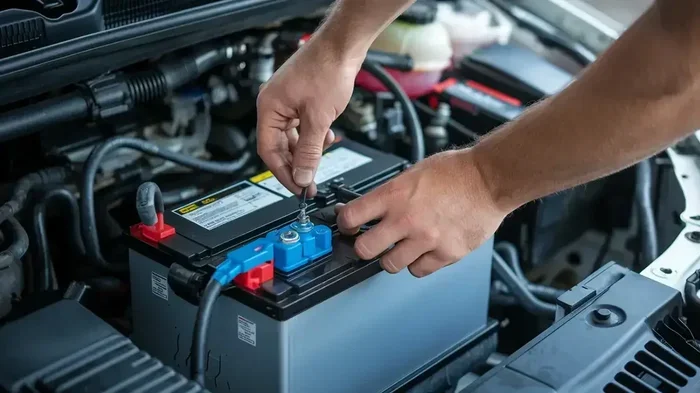
Cleaning your terminals is easy and safe. Follow these steps:
- Turn off the engine and let the car cool down.
- Disconnect the negative cable first, then the positive cable.
- Mix baking soda with water to create a paste.
- Apply the paste to the corroded terminals using an old toothbrush.
- Let it sit for a few minutes and watch the fizzing action break down the corrosion.
- Rinse with a little water and dry the terminals with a clean cloth.
- Reconnect the positive cable first, then the negative cable.
For ongoing protection, you can apply a thin layer of petroleum jelly or a special terminal protector spray. This prevents future buildup and keeps the connection strong. Clean terminals are one of the simplest yet most effective ways to care for your battery.
Tips to Extend Your Battery Lifespan
Nobody wants to deal with a dead battery. The good news is that your driving habits and daily routines have a huge impact on battery lifespan. Here are proven tips to keep your battery going strong.
Avoid Short Trips When Possible
Short drives do not give the battery enough time to fully recharge. Over time, this creates a partially charged state that wears the battery down. If you can, combine errands into one longer trip. A drive of at least twenty minutes helps the alternator recharge the battery properly.
Turn Off Electronics When the Engine Is Off
Leaving the headlights, radio, or phone charger on while the engine is off drains the battery fast. This is one of the most common reasons batteries die prematurely. Make it a habit to shut off all electronics before you turn the key to the off position.
Keep the Battery Secure
A loose battery vibrates inside the car. Over time, this vibration damages the internal plates. Make sure the battery hold-down clamp is tight and the battery sits snugly in its tray. This simple check prevents internal damage and extends battery life significantly.
Drive Your Car Regularly
If you have a car that sits in the garage for days at a time, the battery will slowly lose charge. Try to drive the car at least two or three times a week for fifteen to twenty minutes. This keeps the battery topped off and ready to go.
Protect the Battery from Extreme Heat
High temperatures cause the battery fluid to evaporate faster. This damages the internal plates and reduces performance. If you live in a hot climate, consider using a battery insulator or shade cover. Parking in the shade or a garage also helps protect the battery from heat exposure.
When to Replace Your Car Battery
Even with the best care, every battery eventually reaches the end of its life. Knowing the signs of a failing battery saves you from being stranded. Here is what to watch for:
- The engine cranks slowly when you turn the key.
- The dashboard battery light flickers or stays on.
- You need jump-starts more than once a month.
- The battery case looks swollen or cracked.
- The battery is more than four years old and showing weak performance.
- You notice a rotten egg smell coming from the battery area.
If you notice any of these signs, get a battery health check at a repair shop or test it yourself with a multimeter. Most batteries last between three and five years. Replacing a battery on your schedule is much cheaper and less stressful than dealing with a sudden failure on a busy morning.
When it is time for a new battery, choose one that matches your vehicle specifications. Check the cold cranking amps rating and the group size recommended in your owner manual. A properly sized battery performs better and lasts longer.
Common Mistakes That Damage Car Batteries
Some everyday habits quietly harm your battery without you even realizing it. Avoiding these mistakes can add years to your battery life.
Leaving the Car Idle for Too Long
Letting your car sit for weeks without starting it causes the battery to drain completely. If you are going on a long vacation, ask a friend or neighbor to start the car once a week. This keeps the battery active and charged.
Ignoring Corrosion
Many people notice corrosion on the terminals and simply ignore it. Over time, this buildup worsens and can completely block the electrical connection. A little cleaning every few months prevents this from becoming a serious problem.
Using Cheap or Wrong Batteries
Not all batteries are created equal. A cheap battery with low cold cranking amps may work in summer but fail in winter. Always choose a battery that meets or exceeds your vehicle requirements. Investing in a quality battery pays off in reliability and durability.
Overcharging the Battery
Using a battery charger that is too powerful or leaving it connected too long can damage the battery. Always follow the charger instructions carefully. Modern smart chargers make this easier because they automatically stop charging when the battery is full.
Quick Tips for Better Battery Health
Here are some fast, easy tips you can start today:
- Keep a set of jumper cables in your trunk for emergencies.
- Wipe down the battery case with a damp cloth to remove dirt and grime.
- Tighten the battery cables if they feel loose.
- Use a battery maintainer trickle charger for cars that sit unused.
- Ask your mechanic to check the battery during every oil change.
- Keep the battery tray clean and free of debris.
These small actions take almost no time but make a real difference. Think of them as tiny investments in your car reliability. Over weeks and months, they add up to a battery that starts your car every single time without fail.
Final Thoughts on Maintaining Your Car Battery
Taking care of your car battery does not have to be complicated or time-consuming. The key is consistency. A few simple checks each month can prevent frustrating breakdowns and extend your battery life by years. When you know how to maintain car batteries properly, you save money, stay safe, and avoid the stress of a dead battery at the worst possible moment.
Start with the basics today. Check your terminals, test the voltage, and clean any corrosion you find. Build these habits into your routine and they will become automatic. Your battery will thank you with reliable starts for miles to come. Take charge of your battery health now and enjoy the peace of mind that comes with knowing your car is always ready to go.
Remember, a well-maintained battery is one of the easiest and most cost-effective things you can do for your vehicle. The time you invest today pays off every time you turn that key and hear your engine start right up. Stay on top of it, and your battery will keep you rolling.
Frequently Asked Questions
How often should I check my car battery?
You should inspect your battery at least once a month. A quick visual check takes only a couple of minutes. During winter months, check it more often since cold weather puts extra strain on the battery.
Can I use tap water to fill my battery?
No, always use distilled water. Tap water contains minerals that can build up inside the battery and damage the internal plates. Distilled water is pure and safe for your battery fluid levels.
How do I know if my battery needs replacing?
Signs include slow engine cranking, frequent jump-starts, a swollen case, or age over four years. A simple voltage test can also confirm if the battery is holding a charge properly.
Does driving faster charge the battery faster?
Not exactly. The alternator charges the battery while the engine runs, but driving at higher speeds does not speed up the charging process significantly. A steady twenty-minute drive is enough to recharge a healthy battery.
Is it safe to clean battery terminals myself?
Yes, it is safe as long as you follow the proper steps. Always disconnect the cables first, wear gloves, and avoid touching your eyes. The baking soda and water solution is gentle and effective for removing corrosion.
What temperature is bad for car batteries?
Extreme heat above 100 degrees Fahrenheit and extreme cold below 0 degrees Fahrenheit both harm batteries. High heat causes fluid evaporation, while cold reduces the battery’s ability to hold a charge. Parking in a garage helps protect against both.
=== CONCLUSION ===
Taking care of your car battery is one of the simplest and most rewarding things you can do as a car owner. With regular inspections, clean terminals, and smart driving habits, you can keep your battery strong and reliable for years. The steps outlined in this guide make how to maintain car batteries easy for anyone, regardless of experience level. Start today, stay consistent, and your battery will keep you on the road with confidence.