After Putting In Oil Exhaust Is Smoking Hard Repair
After putting in oil, exhaust is smoking hard because of oil leaking into places it shouldn’t be. This can mean a bad head gasket, worn valve seals, or too much oil in the system. Fixing this problem early saves you from costly engine damage and keeps your car running safely.
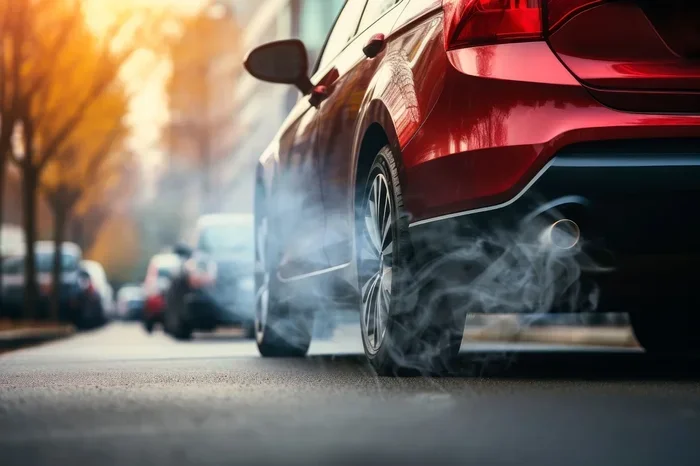
You just finished putting oil in your car. You feel good about it. Then you start the engine and see thick smoke pouring out of the exhaust pipe. Your heart drops. What went wrong?
This is a scary moment for any car owner. After putting in oil exhaust is smoking hard is a problem more common than you might think. It can happen for many reasons. Some are simple fixes. Others need a mechanic’s help. Either way, you need to act fast. Ignoring this issue can lead to serious engine damage.
In this guide, we will walk you through everything you need to know. You will learn what causes the smoke, how to diagnose the problem, and what steps to take for repair. By the end, you will feel confident about handling this situation. Let’s get into it.
Key Takeaways
- Overfilling oil is a common cause: Too much oil forces excess oil into the combustion chamber and creates heavy smoke.
- Blue smoke means oil is burning: This signals worn piston rings, valve seals, or a leaking PCV valve that needs attention.
- White smoke may point to a head gasket leak: Coolant mixing with oil creates thick white exhaust that won’t go away on its own.
- DIY diagnosis is possible: You can check oil levels, inspect the PCV valve, and look for leaks before visiting a mechanic.
- Repair costs vary widely: Simple fixes like an oil change cost under $100, while head gasket repair can reach $1,500 or more.
- Prevention is the best strategy: Regular oil changes, proper fill levels, and timely part replacements keep your engine healthy.
📑 Table of Contents
- What Causes Exhaust Smoke After an Oil Change?
- Different Smoke Colors and What They Mean
- Common Reasons Your Exhaust Smokes Hard After Adding Oil
- How to Diagnose the Problem Yourself
- Step-by-Step Repair Solutions
- When to See a Professional Mechanic
- Prevention Tips to Avoid Future Smoke Issues
- Expert Insights on Oil-Related Exhaust Smoke
- Key Takeaways
- Conclusion
What Causes Exhaust Smoke After an Oil Change?
When your exhaust starts smoking hard after an oil change, something is wrong. Oil is getting into areas where it does not belong. The engine burns it along with fuel. This creates visible smoke that comes out of your tailpipe. The color and thickness of the smoke tell you a lot about the root cause.
Here are the most common reasons this happens:
- Overfilling the oil crankcase: Adding too much oil causes pressure buildup inside the engine. Excess oil gets pushed into the combustion chamber and burns.
- Worn valve seals: These rubber seals wear over time. Oil leaks past them and enters the cylinder head, then burns in the exhaust.
- Damaged piston rings: Piston rings keep oil from entering the combustion chamber. When they fail, oil slips through and creates blue smoke.
- Faulty PCV valve: The positive crankcase ventilation valve recirculates gases. If it sticks open, oil mist gets pulled into the intake and burns.
- Head gasket failure: A blown head gasket lets oil and coolant mix. This creates white or blue smoke that is thick and persistent.
- Oil filter or oil passage blockage: A clogged filter or blocked passage forces oil to find alternate routes, often into the combustion area.
Each of these causes needs a different fix. That is why proper diagnosis matters so much. You cannot just guess and hope for the best.
How Oil Gets Into the Combustion Chamber
Your engine has a very precise design. Oil stays in the crankcase and lubricates moving parts. It should never reach the combustion chamber. But when seals wear or parts fail, oil finds its way past the pistons and into the cylinders. Once there, the engine burns it just like fuel. This is what creates the visible smoke coming from your exhaust pipe.
The oil consumption rate increases when these parts fail. You might notice your oil level dropping faster than normal. This is a clear warning sign. Check your oil regularly, especially after an oil change. If the level drops quickly, something is wrong.
Different Smoke Colors and What They Mean
The color of your exhaust smoke is your biggest clue. Each color points to a different problem. Learning to read the smoke helps you act faster and save money.
Blue or Gray Smoke
Blue exhaust smoke almost always means oil is burning. This happens when oil enters the combustion chamber and gets ignited along with fuel. The smoke has a distinct oily smell. You might also notice a blue tint on the exhaust tip.
Common causes of blue smoke include:
- Worn valve seals letting oil drip past
- Damaged piston rings failing to contain oil
- A stuck PCV valve pulling oil mist into the intake
- Overfilled oil creating excess pressure in the crankcase
White Smoke
White smoke from exhaust can mean a few things. Thin white smoke on a cold morning is normal. But thick, constant white smoke is not. It usually means coolant is leaking into the combustion chamber. This is a serious problem.
The most common cause is a head gasket failure. The head gasket sits between the engine block and the cylinder head. When it fails, coolant mixes with oil and gets burned. This creates white smoke that smells sweet, almost like syrup. You may also notice coolant loss without any visible leak.
Black Smoke
Black smoke usually means the engine is running rich. Too much fuel is being burned. However, if you recently added oil and now see black smoke, it could mean the oil is mixing with fuel in the wrong way. Check your air filter and fuel injectors as well.
Common Reasons Your Exhaust Smokes Hard After Adding Oil
Now let us look at the specific scenarios where after putting in oil exhaust is smoking hard becomes a real problem. Understanding these situations helps you pinpoint what went wrong.
Oil Overfill During an Oil Change
This is the number one cause people overlook. When you pour too much oil into the engine, the crankcase becomes overpressurized. The crankshaft starts churning through the excess oil like a blender. This creates oil foam and pushes oil mist through the PCV system and into the intake manifold.
The result? Heavy blue or gray smoke from the exhaust. It usually goes away once you drain the excess oil back to the proper level. But if you drove for a long time with too much oil, you may have already caused damage.
Oil Filter Installation Issues
A loose or improperly seated oil filter can cause leaks. Oil drips onto hot engine parts and burns off, creating smoke. In some cases, a cheap or wrong oil filter can collapse under pressure. This blocks oil flow and causes the engine to push oil through alternative passages.
Always use the correct oil filter for your vehicle. Check the filter seal before you install it. Make sure it is tight but not over-torqued.
Pre-Existing Engine Problems Made Worse
Sometimes the oil change just reveals an existing problem. Worn valve seals or damaged piston rings might have been slowly leaking oil for months. Adding fresh oil gives them more fluid to work with. The increased oil volume makes the smoke worse and more noticeable.
If this is the case, the smoke was probably there before but you did not notice it. Fresh oil can also burn differently than old oil, producing more visible smoke in some engines.
How to Diagnose the Problem Yourself
You do not need to be a professional mechanic to diagnose the problem. A few simple checks can tell you a lot about what is going on. Here is how to do it step by step.
- Check your oil level: Pull the dipstick and see if the oil is above the full mark. If it is, you have overfilled the engine.
- Inspect the exhaust smoke color: Note whether the smoke is blue, white, or black. Take a photo if you can for reference.
- Smell the smoke: Oil smoke smells sharp and oily. Coolant smoke smells sweet. Fuel smoke smells like gasoline.
- Check the oil cap: Remove the oil filler cap and look inside. If you see a milky brown substance, coolant is mixing with oil. This is a head gasket problem.
- Inspect the PCV valve: Locate the PCV valve and remove it. Shake it. If it does not rattle, it is stuck and needs replacement.
- Look for external leaks: Check under the car for oil spots. Look at the valve cover gasket and oil pan for wet areas.
These simple steps help you narrow down the cause. If you find overfilled oil, drain the excess. If you see a milky substance, stop driving and call a mechanic.
Step-by-Step Repair Solutions
Once you know the cause, you can fix it. Here are the most common repair solutions for after putting in oil exhaust is smoking hard problems.
Fix 1: Drain Excess Oil
If you overfilled the oil, you need to drain the excess. Here is how:
- Warm up the engine for a few minutes. This helps the oil flow better.
- Jack up the front of the car and secure it on jack stands.
- Place a drain pan under the oil drain plug.
- Remove the drain plug and let the excess oil flow out.
- Check the oil level with the dipstick.
- Replace the drain plug and refill to the correct level.
After draining, start the engine and let it idle for a few minutes. The smoke should clear up within a short drive.
Fix 2: Replace the PCV Valve
A stuck PCV valve is an easy and affordable fix. The part usually costs between $10 and $50. You can find it on the valve cover or intake manifold. Simply unplug the rubber hose, remove the old valve, and install the new one.
Tip: Always replace the PCV valve with an OEM-quality part. Cheap aftermarket valves fail quickly and cause the same problem again.
Fix 3: Replace Valve Seals or Piston Rings
Worn valve seals and piston rings require more work. A mechanic will need to remove the valve cover or the engine head to access these parts. The cost ranges from $500 to $2,000 depending on the severity.
For valve seals, the mechanic removes the valve springs and installs new seals. For piston rings, the engine needs to be partially or fully disassembled. This is a major repair but it saves the engine from further damage.
Fix 4: Head Gasket Replacement
A blown head gasket is one of the most serious repairs. The mechanic removes the cylinder head, cleans the surfaces, and installs a new gasket. This repair costs between $1,000 and $2,000 for most vehicles.
Do not delay this repair. A failed head gasket can cause coolant to enter the cylinders, leading to hydrolock and complete engine failure.
When to See a Professional Mechanic
Some repairs are simple enough for a DIYer. But others require professional tools and expertise. You should see a mechanic right away if:
- The smoke does not go away after draining excess oil
- You see a milky substance on the oil cap or dipstick
- Your coolant level is dropping without any visible leak
- The engine is overheating or running rough
- You hear knocking or tapping sounds from the engine
- The smoke is accompanied by a strong burning smell inside the cabin
Trying to drive with a bad head gasket or damaged piston rings will only make things worse. The cost of a tow is much less than the cost of a new engine. When in doubt, get a professional inspection.
Prevention Tips to Avoid Future Smoke Issues
The best way to deal with after putting in oil exhaust is smoking hard is to prevent it from happening in the first place. Here are some simple habits that keep your engine healthy.
Follow the Oil Change Schedule
Change your oil at the intervals recommended by your car manufacturer. Old oil breaks down and loses its lubricating properties. This increases wear on seals and rings. Fresh oil keeps everything running smoothly.
Use the Right Oil Grade
Always use the oil weight and type recommended in your owner’s manual. Using the wrong oil can cause increased consumption and smoking. Check the viscosity rating on the oil bottle before you pour.
Do Not Overfill
Add oil slowly and check the dipstick frequently. It is better to add a little at a time than to pour too much. Remember that the difference between the low and full marks on the dipstick is usually only about one quart.
Replace Worn Parts Promptly
If your mechanic tells you that your valve seals or PCV valve are wearing out, do not ignore it. Replacing these parts early prevents the smoking problem from developing later.
Monitor Your Oil Level Regularly
Check your oil level at least once a month. A sudden drop in oil level can signal a leak or increased oil consumption. Catching this early saves you from bigger problems down the road.
Expert Insights on Oil-Related Exhaust Smoke
Experienced mechanics see this problem all the time. Here are some insights from the field that can help you understand the issue better.
Blue smoke right after an oil change is often just excess oil burning off. Give it a short drive and recheck the level. If the smoke clears, you are probably fine.
White smoke that lasts more than a few minutes is not normal. Even on a cold morning, the smoke should dissipate quickly. Persistent white smoke means coolant is involved. Get it checked immediately.
Oil consumption increases with age. High-mileage engines naturally burn more oil. If your car has over 100,000 miles, consider using a high-mileage oil blend. These oils contain seal conditioners that help reduce consumption and smoke.
Key Takeaways
- Overfilling oil is a common cause: Too much oil forces excess oil into the combustion chamber and creates heavy smoke.
- Blue smoke means oil is burning: This signals worn piston rings, valve seals, or a leaking PCV valve that needs attention.
- White smoke may point to a head gasket leak: Coolant mixing with oil creates thick white exhaust that won’t go away on its own.
- DIY diagnosis is possible: You can check oil levels, inspect the PCV valve, and look for leaks before visiting a mechanic.
- Repair costs vary widely: Simple fixes like an oil change cost under $100, while head gasket repair can reach $1,500 or more.
- Prevention is the best strategy: Regular oil changes, proper fill levels, and timely part replacements keep your engine healthy.
Conclusion
After putting in oil exhaust is smoking hard is a problem that demands your attention right away. Whether it is overfilled oil, worn seals, or a failed head gasket, the cause must be identified and fixed quickly. The good news is that many of these issues are fixable, especially when you catch them early.
Start by checking the oil level and smoke color. These two simple steps give you a lot of information. If the problem is simple, like excess oil, you can fix it yourself in minutes. For more serious issues, do not hesitate to visit a trusted mechanic. The cost of a repair is always less than the cost of replacing a damaged engine.
Take care of your car, and it will take care of you. Regular maintenance, proper oil levels, and timely repairs keep your exhaust clean and your engine running strong. Do not ignore the smoke. Deal with it now and enjoy a smoother ride tomorrow.
Frequently Asked Questions
Why is my exhaust smoking hard right after I added oil?
This usually happens because you added too much oil or the oil is finding its way into the combustion chamber. Check your oil level on the dipstick and compare it to the full mark. If it is overfilled, drain the excess oil and the smoke should stop after a short drive.
What does blue smoke from the exhaust mean after an oil change?
Blue smoke means oil is burning inside the engine. This can be caused by worn valve seals, damaged piston rings, or a faulty PCV valve. If the smoke appears right after adding oil, it might be from overfilling. Persistent blue smoke needs a mechanic’s inspection.
Can I drive my car if the exhaust is smoking after adding oil?
You should avoid driving if the smoke is heavy and persistent. Short drives to a nearby mechanic are okay if the smoke is light. But heavy smoke, especially white or blue, can indicate serious problems like a head gasket failure or oil entering the combustion chamber. Continuing to drive may cause more engine damage.
How much does it cost to repair exhaust smoke after an oil change?
Costs vary depending on the cause. Draining excess oil costs nothing or very little at a quick-lube shop. Replacing a PCV valve costs $50 to $150 including parts and labor. Valve seal replacement runs $500 to $1,500. Head gasket repair can be $1,000 to $2,500 or more depending on the vehicle.
Will the smoke go away on its own after adding oil?
If the smoke is caused by overfilling, it may clear up after you drain the excess oil and drive for a while. However, if the smoke is caused by worn seals, damaged piston rings, or a blown head gasket, it will not go away on its own. You need to fix the underlying problem for the smoke to stop permanently.
How can I prevent exhaust smoke after future oil changes?
Use the correct oil grade recommended in your owner’s manual. Add oil slowly and check the dipstick frequently to avoid overfilling. Replace the oil filter with the correct part and make sure it is installed properly. Follow your regular oil change schedule and address any leaks or unusual consumption early.