Can You Safely Pour Oil Into a Hot Engine After Driving
Yes, you can pour oil into a hot engine, but you should let it cool for a few minutes first. Adding engine oil to a hot engine is generally safe if you follow simple precautions. This guide covers everything you need to know about oil changes, oil viscosity, and how to protect your engine when the temperature is still high.
You just got home from a long drive. Your engine is hot, and you notice the oil level is low. Your first instinct might be to grab a bottle of oil and pour it right in. But wait. Should you add oil to a hot engine while its still running? Its a question many car owners ask, and the answer is not as simple as yes or no.
In this guide, we will walk you through everything you need to know about pouring oil into a hot engine. You will learn why it matters, what can go wrong, and how to do it the right way. Whether you are a seasoned driver or a total beginner, this article has you covered.
Key Takeaways
- Hot engines accept oil safely: You can add oil after driving, but a short wait is recommended.
- Check oil level when cool: For the most accurate reading, check your dipstick when the engine is off and cool.
- Use the right oil type: Match your oil to your manufacturer’s specifications for best engine protection.
- Never overfill: Too much oil can cause pressure problems and damage internal engine parts.
- Watch for warning signs: Low oil pressure or unusual noises mean you need to act fast.
- Regular maintenance matters: Stick to a consistent oil change schedule to keep your engine running smoothly.
📑 Table of Contents
- Why Engine Oil Matters So Much
- Can You Pour Oil Into a Hot Engine Safely?
- Hot Engine vs Cold Engine: Oil Differences
- Risks of Adding Oil to a Hot Engine
- How to Check Your Oil Level Correctly
- Choosing the Right Oil for Your Engine
- Common Mistakes People Make When Adding Oil
- Expert Tips for Long-Term Engine Health
- Final Thoughts on Pouring Oil Into a Hot Engine
Why Engine Oil Matters So Much
Engine oil is the lifeblood of your car. It keeps all the moving parts inside your engine lubricated. Without enough oil, metal grinds against metal. That creates friction, heat, and eventually serious damage. Think of oil as the coolant for your engines internal moving system.
When you drive, your engine runs at high temperatures. The oil circulates through tiny passages to reach every engine part that needs protection. Over time, oil breaks down. It loses its ability to lubricate properly. That is why regular oil changes are so important. Fresh oil means better engine protection and a longer life for your vehicle.
What Happens When Oil Levels Drop
Low oil is a serious problem. Here are some common signs your oil level is too low:
- Your oil pressure warning light comes on.
- You hear strange knocking or ticking sounds from the engine.
- The engine runs hotter than normal.
- You notice reduced fuel efficiency.
- The engine feels sluggish or unresponsive.
If you ignore these signs, you risk engine damage that can cost thousands of dollars to repair. Always check your oil level regularly and top it off when needed.
Can You Pour Oil Into a Hot Engine Safely?
The short answer is yes. You can pour oil into a hot engine after driving. Most mechanics agree that adding oil to a warm engine is perfectly fine. However, there are a few things you should keep in mind to do it safely.
When your engine is hot, the oil inside is also hot and thin. This makes it easier to flow and circulate. But pouring cold oil into a hot engine creates a temporary temperature difference. This is not dangerous, but it is worth understanding.
The Best Way to Add Oil to a Hot Engine
Follow these simple steps to add oil safely:
- Turn off the engine and let it sit for 3 to 5 minutes.
- Pop the hood and locate the oil fill cap.
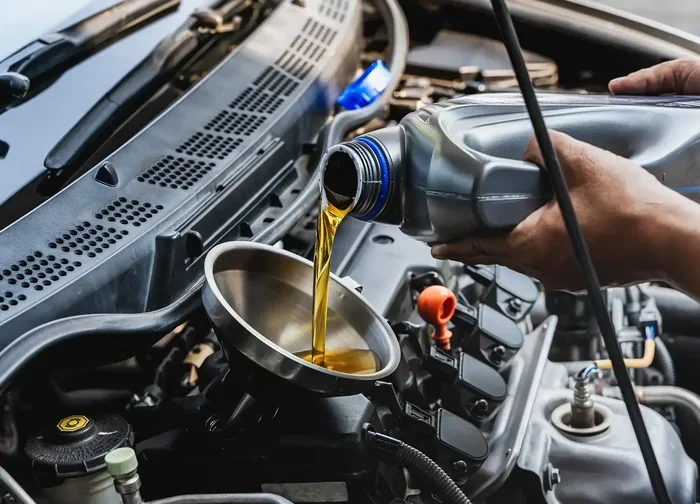
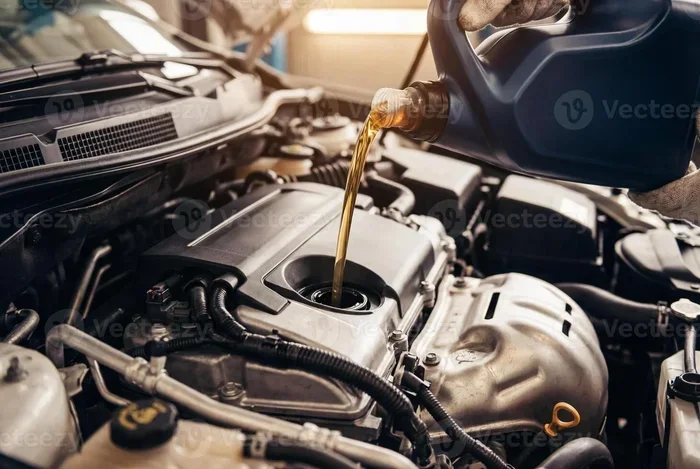
- Remove the cap and slowly pour in the oil.
- Wait a minute, then check the level with your oil dipstick.
- Add more oil if needed, but do not overfill.
Waiting a few minutes lets the oil settle back into the oil pan. This gives you a more accurate reading on the dipstick. It also reduces the risk of splashing hot oil on yourself.
Hot Engine vs Cold Engine: Oil Differences
Understanding how engine temperature affects your oil is important. Let us break it down.
Oil Behavior at High Temperatures
When your engine is hot after driving, the oil becomes thinner. This is actually by design. Thinner oil flows more easily and reaches all the tight spaces inside your engine faster. This is called oil viscosity at operating temperature.
Most modern cars use multi-grade oil like 5W-30 or 10W-40. The first number (5W or 10W) tells you how the oil flows when cold. The second number (30 or 40) tells you how it flows when hot. Higher-quality synthetic oil handles temperature changes better than conventional oil.
Oil Behavior at Low Temperatures
When the engine is cold, oil is thicker and moves slower. This is why it is harder for a cold engine to get lubricated quickly. That is also why many mechanics recommend checking your oil when the engine is cool or has been sitting for a while.
But adding oil to a hot engine is different from checking oil. When you pour oil into a hot engine, the new oil warms up quickly and mixes with the existing oil. This is normal and safe.
Risks of Adding Oil to a Hot Engine
While it is generally safe, there are some risks you should be aware of. Knowing these risks helps you avoid mistakes.
Oil Burn-Off and Evaporation
When your engine is very hot, some of the oil near the top can evaporate slightly. This is called oil burn-off. It is a normal part of engine operation. But if you are constantly low on oil, the burn-off might be a sign of a bigger problem, like worn valve seals or piston rings.
Adding oil to a hot engine does not increase burn-off. The oil you add simply mixes in and gets circulated like the rest. The key is to use the right type of oil for your driving conditions.
Overfilling the Engine
One of the biggest mistakes people make is overfilling. When the engine is hot, the oil level reads lower because the oil has not fully settled. If you add too much oil while it is hot, the level will rise once the oil settles and cools. Overfilling can cause:
- Excessive oil pressure inside the engine.
- Oil leaking past gaskets and seals.
- Foaming of the oil, which reduces lubrication.
- Damage to the oil filter and other components.
Always add oil slowly and check the dipstick frequently. Less is more when you are topping off.
How to Check Your Oil Level Correctly
Checking your oil level is one of the simplest maintenance tasks you can do. But doing it the wrong way gives you inaccurate results. Here is how to do it right.
Step-by-Step Oil Check Process
- Park your car on a flat surface.
- Turn off the engine and wait 5 to 10 minutes.
- Open the hood and find the oil dipstick.
- Pull the dipstick out and wipe it clean with a rag.
- Insert it all the way back in, then pull it out again.
- Look at the oil level against the marks on the dipstick.
The oil should fall between the minimum and maximum marks. If it is below the minimum, you need to add more. If it is above the maximum, you have overfilled and need to drain some out.
When to Check Oil: Hot or Cold?
Most car manufacturers recommend checking oil when the engine is warm but not running. This gives you the most accurate reading. Some newer cars have electronic oil gauges that display the level on your dashboard. These systems are very accurate and do not require you to open the hood.
If you are in a pinch and need to add oil right after driving, go ahead. Just wait a few minutes first, and always double-check the level after the oil has settled.
Choosing the Right Oil for Your Engine
Not all engine oil is the same. Choosing the right one makes a big difference in how well your engine performs and how long it lasts.
Synthetic vs Conventional Oil
Synthetic oil is engineered in a lab to provide superior protection. It handles extreme temperatures better and lasts longer between oil changes. Conventional oil is derived from crude oil and works well for everyday driving. It is also more affordable.
Here is a quick comparison:
- Synthetic oil: Better performance, longer lifespan, higher cost, excellent for high-performance engines.
- Conventional oil: Good for standard engines, affordable, requires more frequent changes.
- Synthetic blend: A mix of both, offers a balance of performance and price.
Always Follow Your Manufacturers Recommendation
Your car manual tells you exactly what type of oil to use. It specifies the oil viscosity grade and the recommended oil capacity for your engine. Following these guidelines ensures your engine gets the protection it needs. Using the wrong oil can void your warranty and lead to premature wear.
Common Mistakes People Make When Adding Oil
Even experienced car owners make mistakes when adding oil. Here are some of the most common ones to avoid.
Adding the Wrong Oil Type
Not all oils are interchangeable. Using the wrong oil viscosity can reduce lubrication and increase engine wear. Always check your owners manual before pouring any oil into your engine.
Forgetting to Check for Leaks
If you are constantly low on oil, there might be a leak. Look under your car for oil spots. Check around the oil filter and drain plug. Addressing leaks early saves you from bigger problems down the road.
Ignoring the Oil Change Light
Topping off oil is not the same as changing it. Old oil loses its properties over time and needs to be replaced entirely. If your oil change light comes on, do not ignore it. Schedule a service as soon as possible.
Expert Tips for Long-Term Engine Health
Taking care of your engine does not have to be complicated. Follow these simple habits and your engine will thank you for years to come.
- Check your oil level at least once a month.
- Stick to the oil change schedule in your owners manual.
- Use high-quality engine oil that matches your manufacturers specs.
- Replace your oil filter every time you change the oil.
- Watch for warning signs like low oil pressure or unusual engine noise.
- Let your engine warm up for a minute or two before driving hard.
- Keep a spare bottle of the right oil in your trunk for emergencies.
These small habits add up to big savings. A well-maintained engine runs better, uses less fuel, and lasts far longer than a neglected one.
Final Thoughts on Pouring Oil Into a Hot Engine
So, can you pour oil into a hot engine after driving? Absolutely. Just be smart about it. Wait a few minutes, use the right oil, and never overfill. Your engine works hard for you every day. Treating it right with proper oil maintenance is one of the easiest ways to keep it running strong.
Do not wait until the oil pressure light comes on to take action. Stay proactive. Check your levels regularly, and always follow the guidelines in your car manual. A few minutes of care today can save you from a major engine repair tomorrow.
Remember, your car is an investment. The little things you do now, like checking and adding oil correctly, pay off big time in the long run. Drive safe, stay informed, and keep your engine happy.
Frequently Asked Questions
Is it safe to add oil while the engine is still hot?
Yes, it is safe to add oil to a hot engine. However, you should wait 3 to 5 minutes after turning off the engine. This lets the oil settle and gives you a more accurate reading on the dipstick. Always be careful around hot engine components to avoid burns.
What type of oil should I use for my hot engine?
Always use the oil type recommended by your car manufacturer. Check your owners manual for the correct oil viscosity grade. Most modern cars work well with 5W-30 or 10W-40. Using synthetic oil offers better protection at high temperatures.
Can adding oil to a hot engine cause damage?
No, adding oil to a hot engine does not cause damage if done correctly. The main risk is overfilling, which can lead to oil pressure problems. Pour oil slowly and check the level frequently to avoid this issue.
How often should I check my oil level?
You should check your oil level at least once a month. It is also a good idea to check before long trips. Regular checks help you catch low oil early and prevent engine damage.
Does hot oil need to be changed more often?
Hot oil does break down faster than cold oil, but your oil change schedule is based on time or mileage, not engine temperature. Follow your manufacturers recommended interval, which is typically every 5,000 to 7,500 miles for conventional oil.
What should I do if I overfill my engine with oil?
If you overfill, do not panic. Drain the excess oil using a suction pump or visit a mechanic. Too much oil can cause foaming and increased pressure inside the engine. Fixing it quickly prevents long-term damage to your engine parts.
=== CONCLUSION ===
Pouring oil into a hot engine is safe and straightforward when you follow the right steps. Let the engine cool for a few minutes, use the correct oil type, and always check your level with the dipstick. Avoid overfilling and stay on top of your oil change schedule. These simple practices keep your engine running smoothly and extend the life of your vehicle. Take a few minutes today to check your oil, and your car will reward you with reliable performance for miles to come.