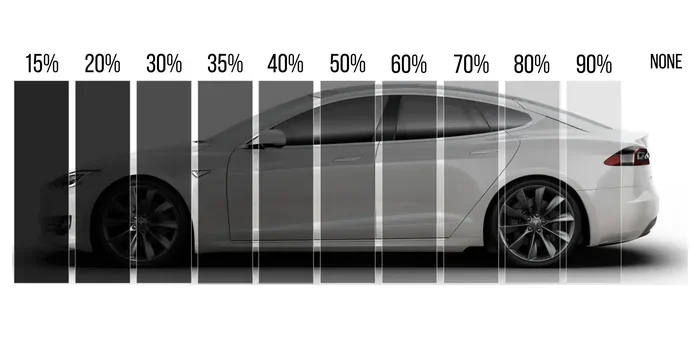
Car Tint Percentage Chart Everything You Need to Know
A car tint percentage chart is your go-to reference for understanding how dark or light your car windows can be. This guide breaks down every tint level, explains legal tint limits, and helps you pick the right window tint percentage for comfort, style, and legal compliance.
Key Takeaways
- Understand VLT: The car tint percentage chart is based on Visible Light Transmission, which tells you how much light passes through your windows.
- Legal limits vary: Each state sets its own rules for legal tint percentages, so always check your local laws before tinting.
- Common levels: Most drivers choose between 20%, 35%, or 50% tint depending on their needs for privacy, heat reduction, and visibility.
- Higher percentages mean lighter tint: A 50% tint lets in more light, while a 5% tint is extremely dark and offers maximum privacy.
- Professional installation matters: Proper application ensures your tint matches the chart accurately and lasts for years without bubbling or peeling.
📑 Table of Contents
What Is a Car Tint Percentage Chart?
If you have ever looked into getting your car windows tinted, you have probably seen a car tint percentage chart. It might look confusing at first. But once you understand what those numbers mean, everything clicks into place.
So what exactly is it? Simply put, a car tint percentage chart shows you how dark or light a window film is. It measures something called Visible Light Transmission, or VLT for short. This is the percentage of outside light that can pass through your tinted windows.
Here is a quick way to think about it. A 5% tint blocks out almost all light. Your windows look very dark. A 70% tint lets in most light and looks barely tinted. The lower the number, the darker the tint. The higher the number, the lighter it is.
Understanding this chart helps you make smart choices. You will know what looks good, what feels comfortable, and what keeps you on the right side of the law.
Why Does It Matter?
Getting your tint wrong can lead to tickets, poor visibility, or regret. A car tint percentage chart takes the guesswork out of the equation. It gives you clear numbers so you can compare options side by side. Whether you want a subtle look or full privacy, the chart points you in the right direction.
How to Read the Car Tint Percentage Chart
Reading a car tint percentage chart is easier than you think. Let us break it down step by step so you feel confident the next time you shop for tint.
Understanding VLT Numbers
VLT stands for Visible Light Transmission. Every tint film has a VLT number. This number tells you what percentage of light gets through. Here is a simple breakdown:
- 5% VLT: Very dark. Almost no light passes through. Often called “limo tint.”
- 20% VLT: Dark tint. Hard to see inside the car from outside. Popular for privacy.
- 35% VLT: Moderate tint. Balanced look with good visibility. A favorite among many drivers.
- 50% VLT: Light tint. Reduces glare and heat while keeping windows fairly clear.
- 70% VLT: Very light. Barely noticeable. Often used for cosmetic or decorative purposes.
As you can see, the tint percentage directly affects how your car looks and feels from the inside and outside.
Reading the Chart Layout
Most car tint percentage charts list percentages from lowest to highest. Some charts also include visual examples. You might see photos of actual car windows at each level. This makes it easy to picture the final result on your vehicle.
Many charts also show the tint shade name alongside the number. For example, 5% might be labeled “Dark” or “Private.” 70% might say “Light” or “Subtle.” These labels help you quickly match your style preference to a number.
Common Tint Percentages and What They Mean
Now let us dive deeper into the most popular window tint percentage levels. Each one serves a different purpose. Knowing what each does helps you choose with confidence.
5% Tint — The Limo Look
A 5% tint is the darkest option available. It gives your car that sleek, private limo appearance. Almost no one can see inside your vehicle from the outside.
This level is great if you want maximum privacy. It also offers strong heat rejection and blocks most UV rays. However, visibility at night can be challenging. Many states do not allow this tint on front side windows, so check your local legal tint laws first.
20% Tint — Privacy and Style
A 20% tint hits the sweet spot for many car owners. It is dark enough to provide solid privacy. Yet it still allows enough light for safe driving at night.
This shade is one of the most requested dark tint options. People love it because it looks stylish without being too extreme. It also does a solid job reducing glare from headlights and streetlights.
35% Tint — The Balanced Choice
If you want a moderate look, go for a 35% tint. It softens the appearance of your windows. It keeps them readable from outside while still adding a noticeable tint shade.
Drivers who live in hot climates often love this level. It provides good heat rejection while maintaining clear visibility. It is also more likely to be legal across multiple states compared to darker options.
50% Tint — Light and Practical
A 50% tint is subtle but effective. Your windows look mostly clear. But you still get the benefits of reduced glare and some interior protection.
This is a great option if you want to protect your dashboard and seats from sun damage. It also works well for people who prefer a natural car look. You get the protection without the dramatic change.
70% Tint — Barely There
A 70% tint is barely noticeable. Some people install it just for the UV protection benefits. Since it lets in so much light, it barely changes how your car looks.
This level is often called a cosmetic tint or light tint. It is popular among drivers who want maximum visibility but still want to shield their interior from harmful rays.
Legal Tint Limits You Need to Know
One of the biggest reasons to study a car tint percentage chart is to stay legal. Every state has its own rules. Ignoring them can lead to fines, forced removal, or failed inspections.
General Legal Guidelines
While laws vary, here are some general patterns across most states:
- Front windshield: Usually allows only non-reflective tint above the AS-1 line, if any.
- Front side windows: Often requires at least 35% VLT or higher.
- Back side windows: Typically allows any tint darkness, including 5% or lower.
- Rear windshield: Usually permits any tint level.
These are general patterns. Always verify with your specific state regulations. Some states have stricter rules than others. Some also allow medical exemptions for darker tints.
State-by-State Differences
For example, some states allow 35% on front windows. Others require 70% or higher. A few states have no restrictions on back windows at all. This is why a car tint percentage chart should always be paired with your local tint regulations.
Quick tip: Search your state name plus “legal tint laws” before booking your tint appointment. This small step can save you a lot of hassle down the road.
| Window Position | Common Legal Limit | Notes |
|---|---|---|
| Front Windshield | Non-reflective above AS-1 line | Varies by state |
| Front Side Windows | 35% or 70% VLT | Strictest rules apply here |
| Back Side Windows | Any percentage | Usually no restrictions |
| Rear Windshield | Any percentage | Often unlimited |
How to Choose the Right Tint Percentage for Your Car
Choosing the right level from the car tint percentage chart depends on your personal needs. Let us walk through the main factors that should guide your decision.
Consider Your Climate
Do you live somewhere hot and sunny? If so, a darker tint between 20% and 35% works well. These levels offer strong heat rejection. Your car interior stays cooler. Your air conditioner does not have to work as hard. That can even improve your fuel efficiency over time.
In cooler climates, a lighter tint around 50% might be better. You still get glare reduction and UV protection. But you do not sacrifice warmth from natural sunlight on colder days.
Think About Privacy
If you value privacy, go darker. A 20% tint or 35% tint prevents outsiders from peering inside. This is helpful if you regularly carry valuables or simply like your personal space on the road.
People who park in secure areas and do not worry about break-ins may prefer a lighter shade. The choice really comes down to your daily routine and comfort level.
Evaluate Night Driving
This is a factor many people overlook. If you do a lot of night driving, avoid going too dark. A 5% tint or even 20% tint can reduce your ability to see clearly in low-light conditions. Stick with 35% or higher for safer nighttime visibility.
Match Your Personal Style
Let us be honest. Tint also affects how your car looks. Some people love the bold, dark appearance of a dark tint. Others prefer a clean, factory-like look with just a hint of shading. There is no wrong answer. Just pick what makes you feel good about your vehicle.
Check Your State Laws First
Before you finalize anything, make sure your choice is legal. There is no point picking the perfect percentage from the car tint percentage chart if it will get you pulled over. Double-check legal tint limits for your specific windows and state.
Benefits of Using a Car Tint Percentage Chart
Why should you bother with a car tint percentage chart at all? Here are some strong reasons to make it part of your tinting research.
Clear Comparison
The chart lets you compare every option in one place. Instead of guessing, you see exact numbers. You can match those numbers to real photos and descriptions. This makes the decision process much faster and more confident.
Cost Savings
Choosing the right tint the first time saves money. Avoiding a do-over because your tint was too dark or too light is a real cost benefit. A good car tint percentage chart helps you get it right from the start.
Better Protection
Using the chart ensures you pick a level that offers proper UV protection and interior protection. You are not just picking a look. You are choosing a functional product that shields your car and your skin from sun damage.
Legal Peace of Mind
Nobody wants a tint ticket. By referencing the chart alongside your state laws, you enjoy peace of mind. You know your tint is both beautiful and compliant. That confidence makes every drive more relaxing.
Expert Tips for Getting the Best Results
Here are some quick professional tips to keep in mind:
- Always ask your installer to show you the VLT number on the film before application.
- Request a test patch on one window before committing to all windows.
- Choose a reputable shop that uses quality car window films from trusted brands.
- Keep your receipt and warranty paperwork in a safe place.
- Remember that tint can fade slightly over time. A high-quality film holds its color much longer.
Conclusion
The car tint percentage chart is one of the most useful tools for any car owner considering window tint. It breaks down complex numbers into simple, visual choices. Whether you want a dark tint for privacy or a light tint for subtle style, the chart has you covered.
Take your time. Review the percentages. Consider your climate, driving habits, and legal requirements. Pair the chart with your local tint regulations, and you will make a smart, informed decision you will not regret.
Your car deserves the best. Use the car tint percentage chart, pick the perfect level, and enjoy a cooler, safer, and better-looking ride every single day.
Frequently Asked Questions
What is the most popular car tint percentage?
The most popular choice is usually 35% tint. It offers a balanced look with good privacy, solid heat rejection, and strong visibility during the day and night. Many drivers also choose 20% for a darker appearance while still keeping safe visibility levels.
Is 20% tint legal on all windows?
No, legality depends on your state. In most states, 20% tint is allowed on back windows and the rear windshield. However, front side windows often require at least 35% VLT. Always check your specific state laws before applying any dark tint to your vehicle.
What tint percentage is best for hot climates?
For hot climates, a 20% to 35% tint works best. These levels provide excellent heat rejection and block a large portion of solar heat. They also offer strong UV protection to keep your car interior cool and protected from sun damage.
Can I tint my front windshield?
Most states only allow non-reflective tint on the top portion of the front windshield, above the AS-1 line. Full windshield tint is generally not permitted. Check your local legal tint laws to see exactly what is allowed on your windshield.
Does higher tint percentage mean lighter or darker?
A higher tint percentage means a lighter tint. For example, 70% tint is very light and barely visible. A lower percentage means a darker tint. A 5% tint is extremely dark and blocks almost all light from passing through your car window films.
How long does car tint last?
Quality car window films typically last between 5 and 10 years. The lifespan depends on the film quality, installation skill, and climate conditions. Premium films with strong UV and heat rejection properties tend to hold their color and adhesion much longer than cheaper alternatives.