Find Out the Elantra Car Weight in This Complete Guide
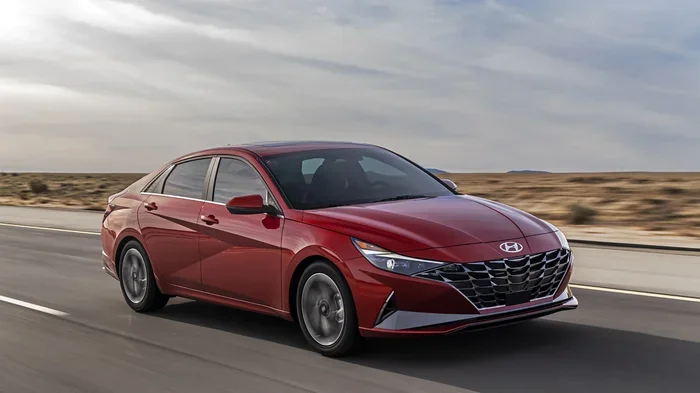
The Elantra car weight varies by model year, trim level, and engine type, typically ranging from about 2,800 to 3,200 pounds. Understanding your Elantra’s weight helps you make smarter decisions about fuel efficiency, towing, and overall driving performance.
Key Takeaways
- Base weight range: Most Hyundai Elantras weigh between 2,800 and 3,200 pounds depending on the trim and engine.
- Trim matters: Higher trims like the N Line and Hybrid are heavier due to added features and different powertrains.
- Weight affects fuel economy: Lighter Elantras generally deliver better miles per gallon.
- Curb weight vs. gross weight: Know the difference between your car’s empty weight and its fully loaded weight for safety.
- Performance impact: Heavier vehicles may have slightly slower acceleration but better highway stability.
- Comparison context: The Elantra sits comfortably in the mid-range for compact sedan weight.
📑 Table of Contents
- What Is the Elantra Car Weight?
- Elantra Car Weight by Model Year and Trim
- How Elantra Car Weight Affects Performance
- Elantra Car Weight and Fuel Efficiency
- Elantra Car Weight Compared to Other Sedans
- Tips for Managing Your Elantra’s Weight
- Frequently Asked Questions About Elantra Car Weight
- Conclusion
What Is the Elantra Car Weight?
The Elantra car weight refers to how much the vehicle weighs when it rolls off the assembly line and is ready to drive. This measurement is called the curb weight or kerb weight in some countries. It includes the car’s frame, engine, fluids, fuel, and all standard equipment. But it does not include passengers or cargo.
So why does this number matter to you? Your car’s weight touches almost every part of your driving experience. It shapes how the car accelerates, how it handles on curves, and even how many miles you get per gallon. Whether you are shopping for a new Elantra or just curious about your current one, knowing the weight gives you a real edge. It helps you plan for maintenance, understand towing limits, and compare the Elantra against other compact sedans on the market.
In this guide, we will break down everything you need to know about the Elantra car weight. You will learn how it changes across model years and trims. You will also see how weight connects to fuel efficiency and performance. Let us dive in.
Elantra Car Weight by Model Year and Trim
The Elantra car weight is not one fixed number. It shifts based on the model year, the trim level you choose, and the type of engine under the hood. Let us look at how the weight breaks down across the most popular versions.
Base Model (SE Trim)
The base SE trim is the lightest Elantra you can buy. For recent model years, the SE typically weighs around 2,800 to 2,870 pounds. This version comes with the standard 2.0-liter inline-four engine. It is the most straightforward setup, without fancy upgrades or heavy add-ons. That lighter weight helps the base model deliver strong fuel economy and snappy acceleration.
Mid-Level Trims (SEL and Limited)
The SEL and Limited trims add more comfort and tech features. Think heated seats, bigger infotainment screens, and upgraded sound systems. All those extras add a few pounds. The Elantra car weight for these trims usually lands between 2,900 and 3,050 pounds. The increase is modest, but it is there. You are paying for convenience, and the scale reflects that.
N Line and Sport Trims
The N Line and Sport trims are built for a sportier feel. They often include upgraded suspension, larger wheels, and more powerful engines. The N Line typically weighs around 3,050 to 3,150 pounds. The heavier components and sport-tuned features shift the number upward. If you want a more dynamic driving experience, the trade-off in weight is worth it for many enthusiasts.
Hybrid Elantra
The Hybrid version adds a battery pack and an electric motor to the mix. That means the Elantra car weight climbs to roughly 3,100 to 3,200 pounds. The extra weight from the hybrid system is noticeable on the scale. However, the trade-off is impressive fuel efficiency. Many hybrid owners find that the added pounds are more than offset by the savings at the pump.
Quick Tips: Finding Your Elantra’s Exact Weight
- Check the driver’s side door jamb for the tire and loading information sticker.
- Look in your owner’s manual for the exact curb weight specification.
- Visit the Hyundai website and search for your specific model year and trim.
- Use a public scale at a truck stop or commercial facility for a hands-on measurement.
How Elantra Car Weight Affects Performance
Your car’s weight plays a bigger role in how it drives than most people realize. The Elantra car weight directly shapes three key areas: acceleration, handling, and braking. Let us break each one down so you can see the full picture.
Acceleration and Horsepower
A lighter car accelerates faster with the same engine power. That is basic physics. When the Elantra SE weighs around 2,800 pounds and produces about 147 horsepower, it moves with real pep. The heavier trims need slightly more effort to reach the same speed, but the difference is not dramatic in everyday driving. Still, if quick off-the-line response matters to you, going with a lighter trim gives you a small but real advantage.
Handling and Weight Distribution
Weight distribution affects how the car corners and stays stable. The Elantra uses a front-engine, front-wheel-drive layout. Engineers design the weight distribution carefully to keep the car balanced. A well-distributed vehicle weight means the car grips the road better during turns. The Elantra’s wheelbase and chassis design help it stay planted even at higher speeds.
Braking Distance
Heavier vehicles need more distance to stop. That is another reason the Elantra car weight matters for safety. The base models, being lighter, tend to stop slightly quicker than the heavier hybrid or sport trims. However, all Elantras come with standard disc brakes and stability control, so braking performance remains strong across all trims. The difference is subtle and only shows up in emergency situations or track conditions.
Common Mistakes: Ignoring Weight When Modifying Your Elantra
Many owners add aftermarket parts without thinking about the weight impact. Bigger wheels, performance exhaust, and upgraded brakes all add pounds. Some people also overload the trunk with heavy gear. Here are mistakes to avoid:
- Adding wheels that are much heavier than stock without upgrading brakes.
- Packing the cargo area beyond the recommended payload capacity.
- Ignoring the vehicle’s gross vehicle weight rating during road trips.
- Forgetting that extra passengers add significant weight to the cabin.
Being mindful of these pitfalls keeps your Elantra safe and performing well.
Elantra Car Weight and Fuel Efficiency
The connection between weight and fuel economy is one of the most important reasons to care about your car’s Elantra car weight. Lighter vehicles burn less fuel to move. Every extra pound requires more energy to accelerate and maintain speed. This principle hits your wallet directly at the gas pump.
How Much Does Weight Affect MPG?
For the Elantra, the difference shows up clearly. The lighter SE model with the 2.0-liter engine achieves around 33 miles per gallon in the city and 41 on the highway. The hybrid version, which weighs roughly 300 to 400 pounds more, actually beats those numbers with around 53 city and 57 highway MPG. Wait, how does a heavier car get better mileage?
The answer is the hybrid powertrain. The electric motor and regenerative braking system more than make up for the extra pounds. This is a perfect example of why the Elantra car weight alone does not tell the full story. You have to consider the entire powertrain system together.
Expert Insight: The Weight-to-Power Ratio Matters More Than Raw Weight
Automotive engineers often talk about the weight-to-power ratio. This number divides the vehicle’s weight by its horsepower output. A lower ratio means better performance per pound. The Elantra base model has a competitive ratio in its class. Even the heavier trims maintain strong ratios thanks to adequate engine power. This is why the Elantra punches above its weight in real-world driving tests, despite not being the lightest sedan on the market.
Quick Tips: Maximizing Fuel Efficiency Based on Weight
- Remove unnecessary items from your trunk to keep the car light.
- Use the recommended tire pressure to avoid extra rolling resistance.
- Avoid aggressive driving, which wastes energy during rapid acceleration.
- Consider the hybrid trim if fuel savings are your top priority.
Elantra Car Weight Compared to Other Sedans
How does the Elantra car weight stack up against popular compact sedans? Let us compare the Elantra with a few well-known rivals. This table gives you a side-by-side look at curb weights.
| Vehicle | Approximate Curb Weight (lbs) |
|---|---|
| Hyundai Elantra (Base) | 2,800 – 2,870 |
| Toyota Corolla (Base) | 2,850 – 3,000 |
| Honda Civic (Base) | 2,800 – 3,000 |
| Nissan Sentra (Base) | 2,850 – 2,950 |
| VW Jetta (Base) | 2,950 – 3,100 |
As you can see, the Elantra sits comfortably in the middle of the compact sedan weight range. It is not the absolute lightest, but it is very close. The Civic and Elantra often trade the lightest spot depending on the model year. The Jetta tends to weigh a bit more, partly due to its larger engine options and slightly bigger body. These car specifications matter when you are shopping and want to compare vehicles on equal footing.
Why Weight Differences Matter in This Segment
In the compact sedan class, even 100 pounds can make a noticeable difference. A lighter car typically offers better fuel economy and more responsive handling. However, heavier cars sometimes provide a smoother ride and better noise insulation. The sedan weight trade-off is a balancing act that Hyundai has navigated well with the Elantra. It delivers a comfortable ride without feeling heavy or sluggish on the road.
Tips for Managing Your Elantra’s Weight
Whether you just bought an Elantra or have owned one for years, managing your car’s weight is a smart move. Here are practical ways to keep things in check.
Know Your Payload and Towing Limits
Every Elantra has a maximum payload capacity, which is the total weight of passengers and cargo it can safely carry. The payload capacity for most Elantras falls between 800 and 950 pounds. That means four average adults and a moderate amount of luggage. Exceeding this limit strains the suspension, brakes, and tires.
Towing capacity is another important number. Most Elantras can tow between 1,000 and 1,500 pounds when properly equipped. This is enough for a small trailer or a boat. But always check your specific model year’s towing capacity before hooking anything up. The towing capacity depends on your engine, transmission, and whether you have a trailer hitch installed.
Keep Your Cargo Light and Organized
Heavy items in the trunk add up fast. A single suitcase can weigh 30 to 50 pounds. Multiply that by three or four, and you are adding significant load. Here is a simple approach:
- Pack only what you need for the trip.
- Use lightweight bags when possible.
- Distribute cargo evenly across the trunk to maintain balance.
- Remove heavy items when you do not need them.
Maintenance Tips That Relate to Weight
Keeping your Elantra in top shape helps it handle its weight more efficiently. Underinflated tires increase rolling resistance, which makes the engine work harder. Worn brake pads extend stopping distances, which is especially risky in a heavier vehicle. Regular oil changes keep the engine running smoothly, reducing the internal friction that wastes energy.
Key Takeaway: Staying on top of basic maintenance ensures your Elantra performs at its best regardless of the Elantra car weight on any given day.
Frequently Asked Questions About Elantra Car Weight
How much does a Hyundai Elantra weigh?
The Elantra car weight depends on the trim and model year. Most models weigh between 2,800 and 3,200 pounds. The base SE trim is the lightest at around 2,800 pounds, while the Hybrid is the heaviest at roughly 3,200 pounds. Check your specific trim and year for the exact number.
Does the Elantra Hybrid weigh more than the gas version?
Yes, the Hybrid Elantra weighs more due to its battery pack and electric motor. The difference is typically 300 to 400 pounds compared to the gas-only model. However, the hybrid system improves fuel efficiency enough to make the extra weight worthwhile for most drivers.
How does the Elantra’s weight affect insurance?
Insurance companies consider vehicle weight as one factor among many. Lighter cars like the base Elantra may have slightly lower premiums in some cases. But your driving record, location, and coverage level matter far more. The Elantra car weight is just a small piece of the insurance puzzle.
Can I tow a trailer with my Elantra?
Most Elantras have a towing capacity between 1,000 and 1,500 pounds. This is enough for a small pop-up camper or jet ski trailer. Always check your owner’s manual for the exact towing capacity of your specific model year and trim. Exceeding the limit is unsafe and can damage the vehicle.
What is the difference between curb weight and gross vehicle weight?
Curb weight is the weight of the car with all standard equipment and fluids but no passengers or cargo. Gross vehicle weight, or GVW, includes the maximum payload and towing load the car can carry. The vehicle weight at curb is what you usually see in specs, while GVW is critical for safety and hauling planning.
Is the Elantra heavier than the Honda Civic?
It depends on the specific trims you compare. The base Elantra and base Civic often weigh very similar amounts, both around 2,800 to 3,000 pounds. Higher trims of either car push the weight upward. Overall, the Elantra car weight and the Civic are closely matched in the compact sedan segment.
Conclusion
Understanding the Elantra car weight gives you a clearer view of what to expect from your vehicle. From acceleration and braking to fuel economy and towing, every aspect of your driving experience connects back to that number on the scale. The Elantra offers a well-balanced weight across its range, making it a strong competitor in the compact sedan market.
Whether you choose the lightweight base model or the heavier hybrid, you get a car that delivers value and reliability. Use the information in this guide to pick the right trim, manage your cargo, and maintain your vehicle properly. The Elantra car weight is more than just a specification, it is a tool that helps you drive smarter, save more, and enjoy every mile. Now you have the full picture. Use it wisely.