Does the New Nissan Leaf Have a Heat Pump Explained
The new Nissan Leaf does include a heat pump on select trims, significantly improving cold weather range and cabin comfort. This system uses less battery power than traditional resistive heaters, making it a smart choice for year-round EV owners. Here is everything you need to know about the Nissan Leaf heat pump system.
The Nissan Leaf has been one of the most popular electric vehicles on the road for years. It affordable, reliable, and practical for daily commuting. But one question keeps coming up among buyers and current owners alike: does the new Nissan Leaf have a heat pump?
The answer is yes, but with some important details you should know. Not every trim level or model year includes this feature. And understanding how it works can save you money, extend your driving range, and make winter driving far more comfortable.
In this guide, we will walk through everything you need to know about the new Nissan Leaf heat pump. We will cover how it works, which trims have it, and why it matters for your daily driving experience. Whether you are shopping for a used Leaf or considering a new purchase, this article has you covered.
Key Takeaways
- Yes, the new Nissan Leaf has a heat pump: Available on select trims, it replaces older resistive heating for better efficiency.
- It saves battery range in cold weather: The heat pump uses less energy than traditional cabin heaters, preserving your driving miles.
- Not all trims include it: Higher-end and newer model years are more likely to feature the heat pump system.
- The system works like a reverse air conditioner: It pulls heat from outside air and moves it into the cabin.
- Cold weather EV drivers benefit the most: If you live in a cold climate, the heat pump makes a noticeable difference.
- Maintenance is minimal: The heat pump requires the same basic care as your car’s standard HVAC system.
- Pair it with pre-conditioning: Using the heat pump while plugged in maximizes your range before you drive.
📑 Table of Contents
- What Is a Heat Pump and Why Does It Matter for EVs?
- Does the New Nissan Leaf Have a Heat Pump?
- How the Heat Pump Works in the Nissan Leaf
- Benefits of the Nissan Leaf Heat Pump System
- Heat Pump vs Resistive Heating: What’s the Difference?
- Tips for Maximizing Your Nissan Leaf Heat Pump
- Common Mistakes Nissan Leaf Owners Make with the Heat Pump
- Expert Insights on EV Heat Pump Technology
- How the New Nissan Leaf Compares to Competitors
- Final Thoughts on the Nissan Leaf Heat Pump
What Is a Heat Pump and Why Does It Matter for EVs?
Before we dive into the Nissan Leaf specifically, let us talk about what a heat pump actually does. In simple terms, a heat pump is a heating system that moves heat from one place to another. In an electric vehicle, it pulls warmth from the outside air and brings it inside the cabin.
This might sound strange. How can you get heat from cold outside air? The truth is, even in chilly weather, there is still thermal energy in the air. A heat pump captures that energy and uses it to warm your car. This process uses far less electricity than burning energy directly through resistive heaters.
How Does a Heat Pump Differ from Traditional EV Heating?
Most early electric vehicles used resistive heating. This system works like the heater in your old gasoline car. It passes electricity through a resistor to create warmth. The problem is that it drains your battery fast. Every degree of heat you want costs you driving range.
A heat pump works differently. Instead of creating heat from scratch, it moves existing heat. This makes it up to two or three times more efficient than resistive systems. For electric vehicle owners, that difference can mean the gap between making it home and getting stranded.
The electric car heating system debate has been a hot topic in the EV community for years. Heat pump technology has become a standard expectation in modern EVs, and Nissan listened to feedback from Leaf owners who struggled with cold weather performance.
Does the New Nissan Leaf Have a Heat Pump?
The short answer is yes, the new Nissan Leaf does come with a heat pump on many trim levels. But the details matter. Nissan has offered the heat pump as part of their climate control upgrades on newer model years and higher trims. If you are looking at a 2023 or 2024 Nissan Leaf, there is a good chance it includes this feature.
Which Nissan Leaf Trims Include the Heat Pump?
Nissan has not made the heat pump universal across all Leaf models. Here is what you need to know about the available options:
- Nissan Leaf S: The base trim may or may not include a heat pump depending on the model year. Earlier S trims relied on resistive heating.
- Nissan Leaf SV: The SV trim on newer model years typically includes the heat pump as part of the climate package.
- Nissan Leaf SL: The top-tier trim almost always features the heat pump system along with additional comfort upgrades.
- Nissan Leaf e+: The extended-range version of the Leaf also benefits from the heat pump technology.
If you are buying a used Leaf, check the model year and trim carefully. A 2022 or newer Leaf SV or SL trim is very likely to have the heat pump installed. Older models from before 2022 may not include this feature at all.
How to Confirm if Your Leaf Has a Heat Pump
Not sure if your specific vehicle has the heat pump? There are a few ways to check. First, look at the owner’s manual. The climate control section will mention the heat pump if it is equipped. Second, check for the Leaf ProHeat or heat pump settings in your dashboard display. Third, you can contact a Nissan dealer with your VIN number and they can confirm the spec.
How the Heat Pump Works in the Nissan Leaf
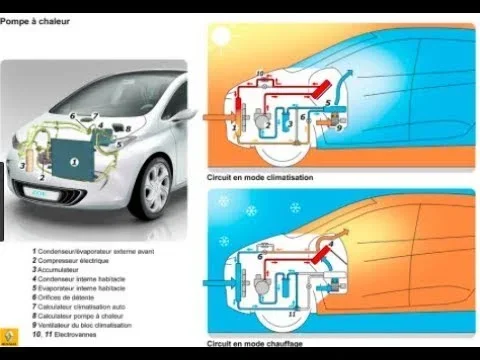
Understanding how the Nissan Leaf heat pump system operates helps you appreciate why it is such a valuable feature. The system works on a simple principle that is similar to how your refrigerator operates, but in reverse.
Here is a basic breakdown of the process:
- Refrigerant absorbs outside heat: A liquid refrigerant circulates through an outdoor coil. Even in cold air, it absorbs thermal energy and turns into a gas.
- The compressor pressurizes the gas: This raises the temperature of the refrigerant significantly.
- Heat transfers to the cabin: The warm refrigerant flows through an indoor coil, and a fan blows the warm air into your car.
- The cycle repeats: The refrigerant cools down and returns to liquid form, ready to absorb more heat.
That is the basic cycle. The beauty of this system is that it moves heat rather than generating it. This is why the heat pump technology in the Nissan Leaf is so energy efficient. You get more warmth for less battery drain.
What About Very Cold Weather?
You might wonder what happens when temperatures drop well below freezing. Heat pumps do lose some efficiency in extreme cold. However, the Nissan Leaf heat pump is designed to operate effectively in temperatures as low as negative 13 degrees Fahrenheit. Below that threshold, the system may supplement with resistive heating, but this is rare in most driving conditions.
For most drivers in temperate and cold climates, the heat pump will handle the majority of heating needs. This means you will see better cold weather EV range compared to older Leaf models without a heat pump.
Benefits of the Nissan Leaf Heat Pump System
The heat pump is not just a nice-to-have feature. It provides real, measurable benefits for daily driving. Here is why this system matters so much for Nissan Leaf owners.
Improved Winter Driving Range
This is the biggest advantage. When temperatures drop, EV drivers often see a significant reduction in range. Heating the cabin is one of the biggest battery drains. The heat pump reduces this drain considerably. Some Leaf owners report gaining 10 to 15 percent more range in winter conditions compared to resistive heating systems.
For example, if your Leaf normally gets 200 miles on a full charge, that extra range could mean the difference between reaching your destination comfortably or making a stressful trip with a low battery warning.
Better Cabin Comfort
The heat pump also delivers warmer air faster than resistive heaters. Instead of waiting for a trickle of warm air, the system can heat the cabin more quickly and consistently. This makes your daily commute more comfortable, especially on those freezing morning drives.
Lower Energy Costs
Less energy used for heating means more energy available for driving. Over time, this efficiency translates to lower electricity costs. If you charge at home, you will notice the difference in your monthly energy bill. The Nissan Leaf comfort features go beyond just seat warmers and steering wheel heaters. The heat pump is one of the most impactful upgrades for overall ownership experience.
Reduced Strain on the Battery
Traditional resistive heaters pull large amounts of current directly from the battery pack. The heat pump, by contrast, uses a small amount of electricity to run the compressor and fans while leveraging ambient heat. This gentler approach helps preserve battery health over the long term.
Quieter Operation
Heat pumps tend to run more quietly than traditional heating systems. You may notice less fan noise and a more serene cabin environment. This is a small detail, but it adds to the overall refinement of the driving experience.
Heat Pump vs Resistive Heating: What’s the Difference?
If you are comparing the new Nissan Leaf to older models or other electric vehicles, understanding the difference between heat pump and resistive heating is essential.
| Feature | Heat Pump | Resistive Heating |
|---|---|---|
| Energy Efficiency | High (moves heat) | Low (creates heat) |
| Winter Range Impact | Minimal loss | Significant loss |
| Warm-Up Speed | Fast and consistent | Slower, gradual |
| Operating Cost | Lower | Higher |
| Complexity | More complex system | Simple system |
| Cold Weather Performance | Excellent down to -13F | Works but drains battery |
The comparison table above makes it clear why the heat pump is the superior choice. While resistive heating is simpler and cheaper to manufacture, it costs you more in the long run through reduced range and higher energy consumption.
Many other modern EVs now offer heat pump systems as standard. The Tesla Model 3, Hyundai Kona Electric, and Chevrolet Bolt all use heat pump technology. Nissan brought this feature to the Leaf lineup to stay competitive in the electric vehicle climate control market.
Tips for Maximizing Your Nissan Leaf Heat Pump
Having a heat pump is great, but using it correctly makes an even bigger difference. Here are some practical tips to get the most out of your system.
Pre-Condition While Plugged In
Use the Nissan Leaf’s remote pre-conditioning feature while the car is still plugged in. This lets the heat pump warm the cabin using grid power instead of battery power. You start your drive in a warm car with a full battery. It is one of the best habits for winter EV owners.
Set a Comfortable Temperature
You do not need to blast the heat at maximum. Setting the temperature to a comfortable 68 to 72 degrees Fahrenheit keeps the heat pump running efficiently. Cranking it up to 85 degrees will strain the system and waste energy.
Use Seat Warmers to Supplement
Seat warmers use far less energy than heating the entire cabin. If you are on a short trip, consider using seat warmers instead of turning up the heat. This simple swap can preserve several miles of range.
Keep the Outdoor Unit Clear
The heat pump has an outdoor component that can get blocked by snow or ice. Make sure to clear it before driving. A blocked unit will reduce efficiency and force the system to work harder.
Update Your Software
Nissan occasionally releases over-the-air updates that improve heat pump performance and efficiency. Keep your vehicle software up to date to benefit from these optimizations.
Common Mistakes Nissan Leaf Owners Make with the Heat Pump
Even with a heat pump, some driving habits can reduce its effectiveness. Here are a few common mistakes to avoid.
- Ignoring pre-conditioning: Skipping this step means your battery powers the heating instead of grid power.
- Using maximum heat constantly: This forces the system to work harder and drains range faster.
- Leaving the system off entirely: Some drivers in cold weather turn off the heat to save range. This leads to fogged windows and unsafe driving conditions.
- Not clearing snow from the outdoor unit: This reduces heat absorption and forces the compressor to overwork.
- Assuming the heat pump works the same in all trims: Only specific trims and model years include the feature.
Expert Insights on EV Heat Pump Technology
According to automotive engineers, heat pump adoption in EVs has grown rapidly over the past five years. What was once a premium feature is now becoming standard across many models. The Nissan Leaf heat pump represents Nissan’s commitment to addressing real-world driver concerns, particularly around cold weather performance.
EV industry experts often point out that the heating system is one of the most impactful factors in overall vehicle efficiency. A well-designed heat pump can be the difference between an EV that feels practical in winter and one that feels limited. Nissan recognized this early and integrated the technology into the Leaf lineup accordingly.
For drivers considering an EV purchase, the heat pump should be a key deciding factor. If you live in a region with cold winters, the heat pump compressor and its energy-efficient operation will pay for itself through preserved range and lower energy costs over the life of the vehicle.
How the New Nissan Leaf Compares to Competitors
The Nissan Leaf faces competition from several other affordable electric vehicles. When it comes to heating systems, the heat pump gives the Leaf a clear advantage over models that still rely on resistive heating.
For instance, some budget EVs in the same price range still use basic resistive heaters. These vehicles suffer more in cold weather, with noticeable range drops during winter months. The Nissan Leaf, especially with the heat pump, holds its ground well against these competitors.
The battery thermal management in the Leaf also works hand-in-hand with the heat pump. By keeping the battery at an optimal temperature, the system ensures that both heating and driving performance remain strong even in harsh conditions.
Final Thoughts on the Nissan Leaf Heat Pump
The new Nissan Leaf heat pump is a welcome addition that addresses one of the most common concerns among electric vehicle owners: cold weather performance. If you are considering a Leaf, prioritize a trim level and model year that includes this feature. The benefits in range, comfort, and long-term ownership costs are substantial.
For current Leaf owners without a heat pump, understanding the system can help you make informed decisions about future upgrades or trade-ins. The electric vehicle climate control landscape continues to evolve, and Nissan has positioned the Leaf well with this technology.
Remember to use the heat pump wisely. Pre-condition while plugged in, keep temperatures reasonable, and maintain the system. These small habits will keep your Leaf running efficiently all year round.
The Nissan Leaf heat pump explained simply comes down to one thing: it makes your electric vehicle smarter, more efficient, and more comfortable. Whether you are commuting to work or taking a weekend road trip, the heat pump ensures you stay warm without sacrificing range.
So yes, the new Nissan Leaf does have a heat pump. And for the right buyer, it is one of the best features the vehicle offers.
Frequently Asked Questions
What year did the Nissan Leaf get a heat pump?
Nissan introduced the heat pump on select Nissan Leaf trims starting around 2022 and 2023 model years. Earlier model years and base trims typically used resistive heating instead of a heat pump system.
Does the Nissan Leaf e+ have a heat pump?
Yes, the Nissan Leaf e+ trim on newer model years generally includes the heat pump as part of its climate control package. Always confirm the specific model year and trim before purchasing.
How much does a Nissan Leaf heat pump cost to replace?
Replacing a heat pump in a Nissan Leaf can cost between 800 and 1500 dollars depending on the model year and labor rates in your area. Regular maintenance helps avoid costly repairs.
Can you add a heat pump to an older Nissan Leaf?
Retrofitting a heat pump into an older Nissan Leaf is technically possible but not commonly recommended. The cost and complexity often outweigh the benefits compared to purchasing a newer model with the system already installed.
Does the heat pump work when the Nissan Leaf is plugged in?
Yes, the heat pump works whether the car is plugged in or driving. However, using pre-conditioning while plugged in is the most efficient way to use the system and preserve your battery range.
Is the heat pump noisy when running on the Nissan Leaf?
The Nissan Leaf heat pump operates quietly compared to traditional resistive heating systems. You may hear a slight hum from the compressor, but it is generally unobtrusive during normal driving.
=== CONCLUSION ===
The new Nissan Leaf heat pump is a feature that genuinely improves the ownership experience. It addresses the cold weather range anxiety that has bothered EV drivers for years. By moving heat instead of creating it, the system delivers better efficiency, more comfort, and longer driving range when temperatures drop.
If you are in the market for a new Nissan Leaf or considering a used one, prioritize a trim with the heat pump. The difference it makes in daily driving, especially during winter months, is hard to overstate. Pair the heat pump with smart habits like pre-conditioning and moderate temperature settings, and you will get the most out of your electric vehicle.
The Nissan Leaf continues to be a strong choice in the affordable EV segment. With the heat pump, it becomes an even more compelling option for drivers in colder climates who need reliability, efficiency, and comfort all year long.