How to Tow an Automatic Car Long Distance Safely and Easily
Towing an automatic car long distance requires proper preparation and the right equipment to avoid costly damage. Whether you’re moving, relocating, or dealing with a breakdown, knowing how to safely tow your vehicle gives you peace of mind. This guide covers every step, from choosing the right tow method to understanding your car’s transmission limits. We’ll help you make informed decisions so your automatic car arrives at its destination without a scratch. Let’s dive in and make your next long-distance tow safe and stress-free.
Key Takeaways
- Flat-bed towing is safest: Using a flat-bed trailer keeps all four wheels off the ground, protecting your automatic transmission from damage during long hauls.
- Never tow on dry pavement with wheels dragging: Towing an automatic car with wheels on the ground can overheat the transmission and cause permanent failure.
- Check weight limits carefully: Every tow vehicle and trailer has a maximum weight capacity. Exceeding these limits puts everyone at risk.
- Pre-tow inspection is essential: Inspecting tire pressure, lights, brakes, and fluid levels before you tow prevents roadside emergencies.
- Use proper towing equipment: Tow bars, dollies, and flat-bed trailers each serve different purposes. Choose based on distance, vehicle type, and budget.
- Drive differently while towing: Towing changes how your vehicle handles. Slow down, brake earlier, and take corners wide for a safe journey.
- Professional help is worth it: For long distances, hiring a professional towing service ensures your car reaches its destination safely and on time.
📑 Table of Contents
- How to Tow an Automatic Car Long Distance Safely and Easily
- Why Towing an Automatic Car Requires Special Care
- Best Towing Methods for Automatic Cars
- Preparing Your Automatic Car for a Long-Distance Tow
- Step-by-Step Guide to Towing Your Automatic Car
- Common Mistakes to Avoid When Towing an Automatic Car
- When to Call a Professional Towing Service
- Expert Tips for a Smooth Long-Distance Tow
- Conclusion
How to Tow an Automatic Car Long Distance Safely and Easily
Towing a car is never something you plan for, but sometimes life throws you a curveball. Maybe you bought a used car across the country, or your automatic vehicle broke down far from home. Whatever the reason, towing an automatic car long distance can feel overwhelming. The good news is that with the right knowledge, it does not have to be stressful at all.
Automatic transmissions are more delicate than manual ones when it comes to towing. They rely on fluid pressure and torque converters that can overheat if not handled correctly. That is why knowing the proper methods makes all the difference. In this guide, we walk you through everything you need to know, from preparation to the actual tow, so you can do it safely and with confidence.
We will cover every towing method, common mistakes to avoid, and practical tips that keep your car in great shape. Whether you are a first-timer or just need a refresher, this guide has you covered.
Why Towing an Automatic Car Requires Special Care
Before we get into the how, let us talk about the why. Automatic cars are not built the same as manual cars, and towing them the wrong way can lead to serious damage. Understanding this helps you make smarter decisions.
How Automatic Transmissions Work
An automatic transmission uses a torque converter instead of a clutch. This part connects the engine to the transmission through fluid. When the car is running, that fluid stays busy managing power and speed. If the wheels spin while the engine is off, the fluid does not circulate properly. Over time, this can cause overheating, slipping, or even total transmission failure.
Manual cars can sometimes be towed with the wheels on the ground more easily because the driver can disengage the clutch. Automatics do not have that option in most cases. That is the main reason you need to be more careful with an automatic car during a long-distance tow.
What Happens If You Tow It Wrong
Towing an automatic car with all four wheels on the pavement can lead to some costly problems. Here are a few things that can go wrong:
- Transmission overheating: The fluid breaks down without proper circulation, leading to slippage and burning smells.
- Internal component damage: Bearings, clutch packs, and seals can wear out faster than they should.
- Costly repairs: Transmission rebuilds can cost anywhere from $1,800 to $5,000 or more.
- Voided warranty: Some manufacturers will not cover damage caused by improper towing.
The bottom line is that prevention is way cheaper than repair. Taking the right steps before your tow saves you money, time, and stress.
Best Towing Methods for Automatic Cars
Not all towing methods are created equal. Some are safer for automatic cars, and others should be avoided at all costs. Let us break down the most common options so you can pick the right one for your situation.
Flat-Bed Towing (The Safest Option)
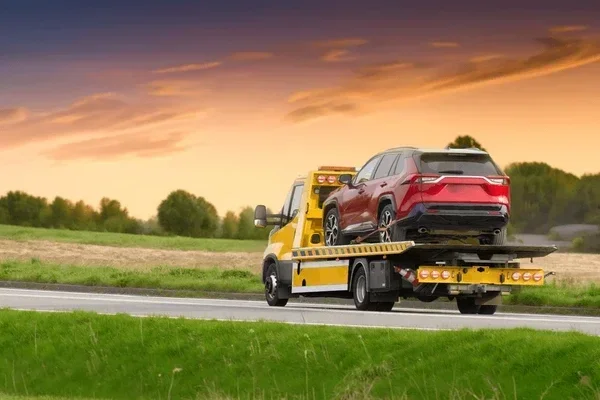
Flat-bed towing is hands down the best method for long-distance towing of an automatic car. The entire vehicle is loaded onto a trailer, and all four wheels are off the ground. This means the transmission stays completely still during the tow. No stress, no heat buildup, no risk of damage.
Flat-bed trailers come in many sizes. You can find single-car trailers that fit in a standard pickup truck. For longer hauls, some trailers even come with braking systems and adjustable ramps for easy loading. This method is slightly more expensive, but your automatic transmission will thank you.
Tow Dolly Towing (A Budget-Friendly Option)
A tow dolly lifts the front wheels of the car off the ground while the rear wheels roll freely. It is a popular choice for shorter distances or budget-conscious tows. However, for long-distance towing, it has some drawbacks.
Since the rear wheels are still spinning, there is some stress on the transmission. Many automatic car manufacturers explicitly warn against dolly towing for long distances. If you do use a dolly, keep the trips short and check your owner manual first.
Tow Bar Towing (For Off-Road and Emergency Use)
A tow bar connects the tow vehicle directly to the car being towed. All four wheels stay on the ground. This method is sometimes used in off-roading or emergency situations, but it is not recommended for automatic cars over long distances. The transmission will likely suffer if the wheels are spinning for hours on end.
Professional Towing Services (The Hassle-Free Choice)
Sometimes the best option is to let the pros handle it. Professional towing companies have the right equipment, insurance, and experience to transport your car safely. For long distances, this is often the most practical and safest route. Many services offer enclosed carriers that protect your vehicle from road debris and weather.
Preparing Your Automatic Car for a Long-Distance Tow
Once you have chosen your towing method, it is time to prepare. Proper preparation reduces risk and helps everything go smoothly on the big day.
Read Your Owner Manual First
Your car manufacturer knows what the vehicle can and cannot handle. Many automatics have specific towing guidelines, including warnings about flat-towing or dolly use. Look up your vehicle in the manual and note any restrictions. Ignoring this step can void your warranty or cause damage that could have been avoided.
Check All Fluid Levels
Even though your car will not be driving, you still want to check the transmission fluid, engine oil, coolant, and brake fluid. Make sure everything is at the proper level. If the transmission fluid looks dark or burnt, consider getting it changed before the tow. Fresh fluid handles heat better, which matters if the tow takes a while.
Inspect Tires and Brakes
Tires should be properly inflated according to the manufacturer recommendation. Underinflated tires can cause uneven wear during loading and transport. Also, make sure the parking brake is fully functional. You will use it to secure the car on the flat bed or dolly.
Secure Loose Parts and Items
Remove any loose items from the car interior and trunk. Anything that shifts during transport can become a hazard. Check for loose bumpers, exhaust parts, or body panels. Tighten or fix anything that feels off before the journey begins.
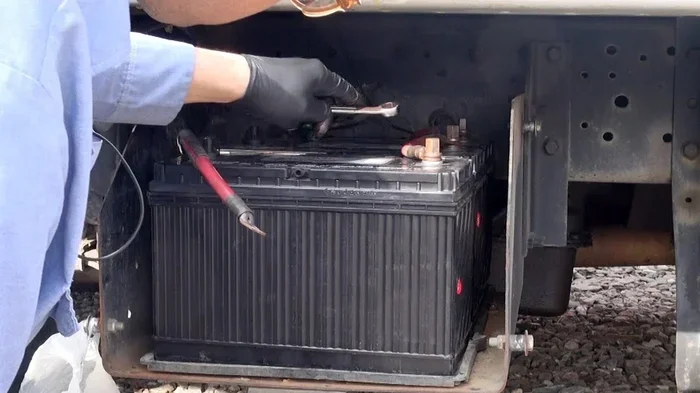
Disconnect the Battery (If Needed)
Some tow methods require you to disconnect the car battery. This prevents electrical issues during transport. Check the instructions for your specific towing setup. Always carry a set of jumper cables just in case.
Step-by-Step Guide to Towing Your Automatic Car
Now that you are prepared, let us walk through the actual towing process. Follow these steps for a smooth and safe experience.
Step 1: Choose the Right Tow Vehicle and Trailer
Not every truck or SUV is ready to tow. Check the towing capacity of your tow vehicle. This number tells you the maximum weight it can safely pull. As a rule, never exceed this limit. Here is a quick comparison of common tow vehicles and their typical capacities:
| Vehicle Type | Average Towing Capacity | Best For |
|---|---|---|
| Compact SUV | 2,000 – 3,500 lbs | Small cars and compacts |
| Full-Size SUV | 5,000 – 8,000 lbs | Mid-size cars and SUVs |
| Light Pickup Truck | 6,000 – 10,000 lbs | Most sedans and wagons |
| Heavy Pickup Truck | 10,000 – 14,000 lbs | Large vehicles and trailers |
Always check your specific vehicle and trailer ratings before you tow. Matching the right combo keeps everyone safe on the road.
Step 2: Load the Car Correctly
Loading is more important than you might think. An unbalanced load creates dangerous swaying on the highway. For flat-bed towing, drive the car straight onto the trailer and center it as much as possible. Use wheel chocks to prevent rolling. For dollies, make sure the front wheels are properly secured on the dolly platform.
When loading, think about weight distribution. The heaviest parts of the car should sit closest to the tow vehicle. This helps maintain balance and reduces trailer sway. It is a small detail that makes a big difference on long drives.
Step 3: Attach Safety Chains and Wiring
Safety chains cross under the trailer and attach to the tow vehicle. They act as a backup if the main hitch fails. Cross them in an X shape to allow some flexibility. Also, connect all wiring for lights, including brake lights, turn signals, and running lights. Most states require working lights on the trailer, so do not skip this step.
Step 4: Test Everything Before Hitting the Road
Before you drive away, do a full check. Walk around the trailer and inspect all connections. Give the tow vehicle a test drive in an empty lot. Check how the brakes feel and listen for any unusual sounds. Test all trailer lights. This small pause can save you from a roadside disaster later.
Step 5: Drive Safely While Towing
Towing changes how your vehicle handles. Here are some quick driving tips:
- Slow down: Reduce your speed by 10 mph below the speed limit. This gives you more reaction time.
- Brake earlier: The added weight means longer stopping distances. Start braking sooner than usual.
- Take corners wide: Wide turns prevent the trailer from clipping curbs or other vehicles.
- Use lower gears on hills: Many vehicles have a tow mode or lower gear. Use it on inclines to reduce brake wear.
- Watch for sway: If the trailer starts to sway, do not brake hard. Ease off the gas and let the vehicle slow down gradually.
Common Mistakes to Avoid When Towing an Automatic Car
Even experienced drivers can make mistakes when towing. Knowing what to avoid keeps your car and everyone on the road safe.
Towing Beyond the Weight Limit
This is one of the most common errors. People often assume their truck can handle more than it actually can. Overloading causes poor braking, engine strain, and tire blowouts. Always check the combined weight of the car, trailer, cargo, and passengers. Stay well within the rated limits.
Ignoring Transmission Warnings
Some car owners think their automatic car can handle any towing method because it has an automatic. That is not true. Many manufacturers explicitly state that flat-towing or dolly towing is not safe for certain models. Always respect those warnings. A few hours of research now can save thousands in repairs later.
Skipping the Pre-Tow Inspection
It is easy to get excited and just go. But skipping the inspection is a recipe for trouble. Tires, lights, brakes, and connections all need a check. A five-minute inspection can prevent a three-hour roadside fix.
Not Planning Rest Stops
Long-distance towing is tiring. Both you and your equipment need breaks. Plan rest stops every two to three hours. Use this time to check the trailer, tire pressure, and load security. It also gives you a chance to stretch and stay alert.
When to Call a Professional Towing Service
Sometimes DIY towing is not the best choice. Here are a few situations where you should call in the pros:
- The distance is over 500 miles: Long hauls are exhausting and risky without professional equipment.
- Your car is non-functional: If the car cannot be started or loaded, professionals have the tools to handle it.
- You do not have a tow-capable vehicle: Not everyone owns a truck or SUV. Renting a tow vehicle adds cost, so a professional service may be cheaper overall.
- Weather conditions are bad: Rain, snow, or high winds make towing dangerous. Pros have experience handling tough conditions.
- You are short on time: Professional towing services get the job done quickly and efficiently.
Hiring a pro does not have to break the bank. Many companies offer long-distance rates and door-to-door delivery. Get a few quotes and choose a reputable provider with good reviews and proper licensing.
Expert Tips for a Smooth Long-Distance Tow
Here are some bonus tips from experienced tow truck drivers and auto transport pros:
- Invest in a good hitch receiver: A quality hitch makes a huge difference in stability and safety. Look for one rated for your towing setup.
- Use a weight distribution hitch: If your trailer is heavy, this tool spreads the weight more evenly across both axles. It improves handling dramatically.
- Carry a towing checklist: Write down everything you need to check before departure. Having it on paper prevents you from forgetting anything important.
- Keep a safety kit on board: Include a fire extinguisher, first aid supplies, reflective triangles, and a flashlight. These items are small but lifesaving in emergencies.
- Track your trip: Use a GPS or towing app that accounts for vehicle length and weight. Some apps help you avoid low bridges and sharp turns.
Conclusion
Towing an automatic car long distance is completely doable when you know what you are doing. The key is to choose the right method, prepare your vehicle, and drive with care. Flat-bed towing remains the gold standard for protecting your automatic transmission, while professional services offer a stress-free alternative for long hauls. Avoid common mistakes, respect weight limits, and never skip the pre-tow inspection.
Remember, your automatic car is a significant investment. Treat it with care during transport, and it will continue to run smoothly for years to come. Whether you handle the tow yourself or hire a professional, the most important thing is safety. Take your time, follow these steps, and enjoy the peace of mind that comes with a job well done.
Frequently Asked Questions
Can I flat-tow an automatic car with all four wheels on the ground?
Most automatics are not designed for flat-towing with all four wheels on the ground. This causes the transmission fluid to stop circulating, which can lead to overheating and serious damage. Always check your owner manual before attempting this method. Flat-bed towing is a much safer alternative for long distances.
How far can I tow an automatic car on a dolly?
Tow dollies are generally okay for shorter distances, such as under 100 miles. For longer trips, the spinning rear wheels can put stress on the automatic transmission. Many manufacturers recommend against dolly towing for long hauls. If you must use a dolly, limit the distance and drive carefully.
What is the best way to tow an automatic car long distance?
The best way is to use a flat-bed trailer. This lifts all four wheels off the ground and keeps the transmission completely safe. Professional auto transport services also offer enclosed carriers for added protection. Flat-bed towing costs more than dollies or tow bars, but it is the safest option for your vehicle.
Do I need a special license to tow a car long distance?
In most cases, a standard driver license is enough for towing a single car with a trailer. However, some states have weight and length limits that require additional endorsements. Check your state regulations before you tow. If you hire a professional towing service, they handle all the legal requirements for you.
How much does it cost to tow an automatic car long distance?
Long-distance towing typically costs between $1,000 and $3,000 depending on the distance, vehicle size, and method. Flat-bed towing and professional auto transport are on the higher end. Dolly towing and tow bar setups are cheaper but carry more risk. Getting multiple quotes helps you find the best value.
Should I leave the car running while it is being towed on a flat bed?
It is generally not necessary to leave the car running on a flat-bed trailer. The car is fully secured and stationary. However, if you need to load or unload on an incline, you may briefly start the car to move it into position. Always follow the instructions of your towing equipment provider.