How Toyota Built a Legendary Reputation in Durability
Toyota earned its reputation for durability through decades of relentless focus on quality, engineering, and continuous improvement. The company’s Toyota Production System and the Toyota Way philosophy transformed how the automotive industry builds vehicles. From the Toyota Corolla to the Toyota Camry, their long-lasting vehicles have proven time and again that Toyota reliability is no accident.
Toyota didn’t become one of the world’s most trusted car brands overnight. The journey to Toyota durability took decades of hard work, smart decisions, and an unwavering commitment to quality.
Today, when people think of reliable cars, Toyota comes to mind almost instantly. Whether it’s a family sedan or a rugged truck, Toyota vehicles are known for going the distance. But how exactly did Toyota build this legendary reputation? Let’s dig into the story.
The answer lies in a combination of philosophy, manufacturing innovation, and a culture that treats every single bolt as important. From the factory floor to the showroom, Toyota build quality has been the backbone of their success. In this article, we’ll explore the key factors behind Toyota reliability and what makes their vehicles last so long.
Key Takeaways
- Toyota’s foundation: The company built its reputation by prioritizing quality over speed from day one.
- The Toyota Production System: Lean manufacturing and Kaizen principles set Toyota apart from competitors.
- Engineering excellence: Every vehicle undergoes rigorous testing to ensure long-lasting performance.
- Quality control at every level: Toyota’s attention to detail in the manufacturing process is unmatched.
- Customer trust and resale value: Durability directly contributes to strong resale value and brand loyalty.
- Continuous learning: Toyota never stops improving, which keeps their vehicles relevant for decades.
📑 Table of Contents
- The Roots of Toyota’s Durability Philosophy
- The Toyota Production System: A Game Changer
- Engineering Excellence: How Toyota Builds Vehicles to Last
- Quality Control: Every Detail Matters
- The Toyota Way: A Culture of Excellence
- Toyota Durability in Numbers
- Common Mistakes That Shorten Vehicle Life
- Expert Insights on Toyota’s Durability
- Quick Tips for Maximizing Toyota Durability
- Conclusion
The Roots of Toyota’s Durability Philosophy
Starting with a Simple Idea
It all began in 1937 when Kiichiro Toyoda founded Toyota Motor Corporation. From the very beginning, the company had a clear goal: build cars that last. This wasn’t just a marketing slogan. It was a core belief that shaped every decision the company made.
Kiichiro Toyoda understood something important. Customers don’t just want a car that looks good. They want a car they can trust. A car that starts every morning. A car that doesn’t break down on a road trip. That simple idea became the foundation of everything Toyota does today.
The Influence of Sakichi Toyoda
Before Toyota built cars, Sakichi Toyoda, Kiichiro’s father, was already revolutionizing manufacturing. He invented automatic looms and focused heavily on quality control. His philosophy was simple but powerful: fix the process, not the problem.
This mindset passed down to Kiichiro and eventually shaped the entire Toyota company. It became the DNA of Toyota engineering. Every engineer at Toyota learns this principle early. It’s why Toyota vehicles have such a strong proven track record for lasting for hundreds of thousands of miles.
Building Cars for Real Life
Toyota didn’t design cars in a lab. They designed them for real-world conditions. From dusty roads in rural Japan to extreme weather in cold climates, Toyota tested their vehicles in environments that most manufacturers never considered.
This approach meant that Toyota durability wasn’t just about the engine. It was about the entire vehicle. The suspension. The wiring. The seals. Every component had to hold up under pressure. This holistic approach to vehicle longevity set Toyota apart from competitors who focused only on the flashy parts.
The Toyota Production System: A Game Changer
What Is Lean Manufacturing?
In the 1950s, Toyota developed what would become known as the Toyota Production System (TPS). This system was revolutionary. It focused on eliminating waste and improving efficiency at every step of the manufacturing process.
But here’s the key difference. Toyota didn’t just aim for speed. They aimed for build quality. Every step in the production line was designed to catch problems early. If something was wrong, the line stopped. This might sound slow, but it was the secret to Toyota reliability.
The Role of Kaizen (Continuous Improvement)
One of the most important concepts in the Toyota Production System is Kaizen, which means continuous improvement. The idea is simple: never stop getting better. Every worker, from the assembly line to the executive office, is encouraged to find ways to improve the process.
Kaizen isn’t just a buzzword at Toyota. It’s a way of life. Workers are empowered to stop the production line if they spot a defect. This level of quality control ensures that every vehicle leaving the factory meets the highest standards.
Over the decades, Kaizen has helped Toyota refine their long-lasting vehicles in small but meaningful ways. These tiny improvements add up to massive gains in car durability over time.
Jidoka: The Art of Automation with a Human Touch
Another key principle is Jidoka. This means automation with human intelligence. When a machine detects a problem, it stops automatically. This prevents defective parts from moving forward in the production process.
Jidoka ensures that problems are fixed at the source rather than passed along. This philosophy directly contributes to Toyota build quality. It’s one of the reasons why Toyota vehicles have fewer defects than many competitors.
Engineering Excellence: How Toyota Builds Vehicles to Last
Rigorous Testing Standards
Toyota doesn’t just build a prototype and call it good. Every vehicle goes through thousands of hours of testing. Engineers subject cars to extreme heat, extreme cold, rough terrain, and high mileage simulations.
Before a new model hits the market, it has already been tested in conditions that most drivers will never experience. This level of engineering excellence gives Toyota a huge advantage when it comes to vehicle longevity.
For example, the Toyota Camry has been around since 1982. It’s one of the most long-lasting vehicles on the road. Why? Because Toyota engineers spent decades refining every detail. The engine. The transmission. The cooling system. Everything was designed with durability in mind.
The Toyota Corolla: A Masterclass in Reliable Design
The Toyota Corolla is the best-selling car in history. With over 50 million units sold, it’s a testament to Toyota durability. The Corolla isn’t flashy. It’s not the most exciting car on the road. But it’s incredibly reliable.
Toyota kept the Corolla design relatively simple over the decades. They focused on proven technology rather than chasing trends. This conservative approach paid off big time. Many Corolla owners report crossing the 300,000-mile mark with minimal issues.
Here’s what makes the Corolla so durable:
- Simple, proven engineering: Fewer complex parts means fewer things that can break.
- High-quality materials: Toyota uses materials that withstand wear and tear.
- Efficient cooling systems: Engines run cooler, which extends their lifespan.
- Regular updates: Toyota listens to owner feedback and makes improvements each generation.
Why Toyota Engines Last So Long
Toyota engines are famous for lasting well beyond 300,000 miles. What’s their secret? It comes down to a few key factors:
- Over-engineering: Toyota often builds engines stronger than they need to be. This extra margin of safety helps them last longer.
- Quality components: Every part in a Toyota engine is built to high standards.
- Efficient cooling: Toyota engines run at optimal temperatures, reducing wear and tear.
- Simple designs: Fewer moving parts means fewer failure points.
This is why Toyota reliability is a common topic in automotive forums. Owners love sharing their stories of Toyota vehicles that just keep going and going.
Quality Control: Every Detail Matters
Zero-Defect Manufacturing
Toyota has a goal of zero defects. Not “few” defects. Not “acceptable” defects. Zero. This mindset drives every aspect of their manufacturing process.
Workers on the assembly line are trained to spot problems immediately. If something doesn’t look right, they don’t wait for someone else to notice. They fix it right away. This attention to detail is what gives Toyota such an impressive build quality.
The Andon Cord: A Symbol of Quality
One of the most famous examples of Toyota’s commitment to quality is the andon cord. Any worker on the assembly line can pull this cord to stop production if they notice a problem.
It might seem counterproductive. Stopping the line costs time and money. But Toyota knows that fixing a small problem early prevents big problems later. This philosophy has been key to Toyota durability and Toyota reliability over the decades.
Supplier Standards
Toyota doesn’t just control its own factories. They work closely with suppliers to ensure every part meets their high standards. In fact, Toyota has been known to send engineers to supplier facilities to help improve processes.
This level of partnership ensures that vehicle longevity isn’t compromised by cheap parts. Every component in a Toyota vehicle has been vetted for quality. This is a big reason why Toyota build quality consistently ranks at the top of industry surveys.
The Toyota Way: A Culture of Excellence
What Is the Toyota Way?
The Toyota Way is more than a manufacturing system. It’s a philosophy. It’s a set of principles that guide every decision the company makes. At its core, the Toyota Way is about respect for people and continuous improvement.
Toyota believes that employees are the backbone of the company. They invest heavily in training and development. Workers are encouraged to think critically and suggest improvements. This culture of respect and empowerment drives quality control at every level.
Long-Term Thinking
Most companies focus on quarterly profits. Toyota thinks in decades. This long-term perspective allows them to make decisions that benefit customers over the life of the vehicle rather than just the bottom line for the next quarter.
For example, Toyota invested heavily in hybrid technology long before it was popular. They believed in vehicle longevity and sustainability even when it wasn’t the trendy thing to do. Today, Toyota hybrids are some of the most long-lasting vehicles on the market.
Customer Trust and Loyalty
Toyota’s focus on durability has earned them incredible customer loyalty. When you buy a Toyota, you know it’s going to last. This trust translates into strong resale value and repeat business.
Many Toyota owners become brand evangelists. They tell their friends and family about their positive experiences. This word-of-mouth marketing is incredibly powerful and has helped Toyota build one of the strongest brands in the world.
Toyota Durability in Numbers
Proven Track Record
The numbers tell a compelling story about Toyota durability. Here’s a quick comparison of how some popular Toyota models stack up against the competition:
- Toyota Camry: Average lifespan of 200,000-300,000 miles with proper maintenance.
- Toyota Corolla: Over 50 million units sold worldwide, many with 300,000+ miles.
- Toyota Tacoma: Known for lasting 250,000+ miles even with heavy use.
- Toyota Land Cruiser: Frequently surpasses 300,000 miles with basic upkeep.
Compare these numbers to the industry average, and Toyota comes out ahead in nearly every category. This consistency is what makes Toyota reliability so impressive.
Low Maintenance Costs
Another advantage of Toyota durability is the lower cost of ownership. Because Toyota vehicles break down less often, owners spend less on repairs over the life of the car.
Parts are also widely available and affordable. You don’t need a specialized mechanic to work on a Toyota. Any reputable shop can handle routine maintenance and repairs. This accessibility adds to the overall value proposition of long-lasting vehicles from Toyota.
Common Mistakes That Shorten Vehicle Life
Even the most durable Toyota won’t last forever if it’s not properly maintained. Here are some common mistakes that can shorten the life of any vehicle:
- Skipping oil changes: Fresh oil is the lifeblood of your engine. Don’t skip this simple task.
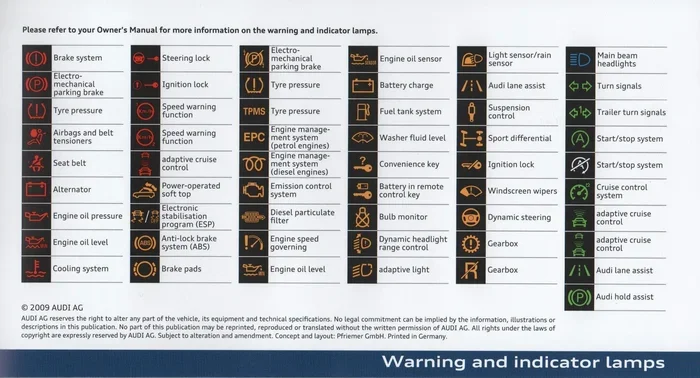
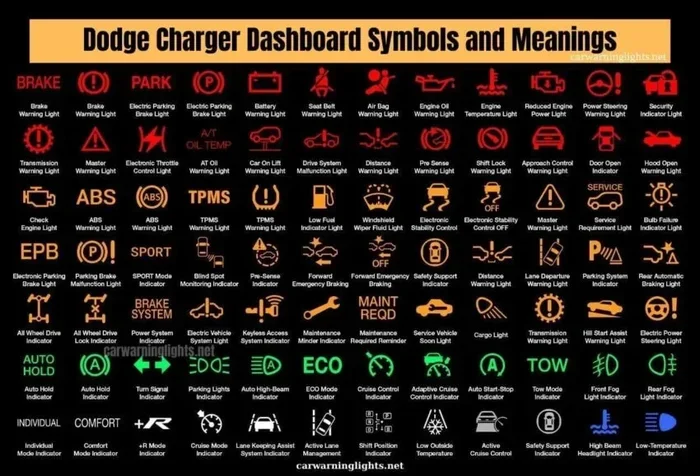
- Ignoring warning lights: That check engine light is trying to tell you something. Address it early.
- Overloading the vehicle: Exceeding the recommended weight limit puts extra stress on components.
- Neglecting fluid checks: Transmission fluid, coolant, and brake fluid all need regular attention.
- Driving aggressively: Hard acceleration and sudden braking wear out parts faster.
Avoiding these mistakes will help your Toyota reach its full potential for vehicle longevity. Remember, Toyota durability is a partnership between the manufacturer and the owner.
Expert Insights on Toyota’s Durability
Industry experts consistently point to Toyota as a benchmark for car durability. According to automotive analysts, Toyota’s success comes from three main factors:
- A culture of quality: Every employee is empowered and encouraged to prioritize quality.
- Relentless process improvement: The Toyota Production System never stops evolving.
- Customer-first mindset: Toyota designs vehicles with the owner’s long-term experience in mind.
These factors combine to create vehicles that don’t just meet expectations. They exceed them. And that’s the real secret behind Toyota reliability.
Quick Tips for Maximizing Toyota Durability
Want to get the most miles out of your Toyota? Follow these simple tips:
- Follow the maintenance schedule: Stick to Toyota’s recommended service intervals.
- Use genuine Toyota parts: Aftermarket parts may save money now but can cause problems later.
- Keep it clean: Regular washing protects the body and undercarriage from corrosion.
- Drive smoothly: Gentle driving reduces wear on the engine and transmission.
- Store properly: If you’re not driving for a while, keep the vehicle in a dry, sheltered spot.
These small habits make a big difference over time. They’re the reason many Toyota owners reach and exceed 300,000 miles without major issues.
Conclusion
Toyota durability isn’t a coincidence. It’s the result of decades of careful planning, smart manufacturing, and a culture that values quality above all else. From the Toyota Production System to the Toyota Way, every aspect of the company is designed to build long-lasting vehicles.
The Toyota Camry, the Toyota Corolla, and models like the Tacoma and Land Cruiser have proven themselves on roads around the world. Their proven track record for vehicle longevity speaks for itself.
If you’re looking for a car that will last, Toyota should be at the top of your list. Their commitment to engineering excellence, quality control, and customer satisfaction is unmatched in the automotive industry. Buy a Toyota, follow the maintenance schedule, and you’ll have a reliable companion on the road for years to come.
The story of how Toyota built their reputation for durability is really a story about doing things the right way. And that’s a lesson that applies far beyond the automotive world.
Frequently Asked Questions
What makes Toyota vehicles so durable?
Toyota vehicles are durable because of their rigorous engineering standards, the Toyota Production System, and a culture of continuous improvement. Every part is designed and tested to last for hundreds of thousands of miles.
How long do Toyota cars typically last?
Most Toyota cars can last 200,000 to 300,000 miles or more with proper maintenance. Models like the Corolla and Camry are especially known for their long lifespan and Toyota reliability.
Is Toyota more reliable than other car brands?
Toyota consistently ranks at or near the top in reliability surveys. Their focus on quality control, simple engineering, and the Toyota Way gives them an edge over many competitors when it comes to car durability.
Does Toyota durability mean low maintenance costs?
Generally, yes. Because Toyota vehicles break down less often, owners spend less on repairs over time. Parts are also widely available and affordable, which keeps maintenance costs low.
What is the Toyota Production System?
The Toyota Production System is a manufacturing philosophy focused on eliminating waste and improving quality at every step. It includes concepts like Kaizen (continuous improvement) and Jidoka (automation with human intelligence), which have been key to Toyota durability.
Can I make my Toyota last even longer?
Absolutely. Following the recommended maintenance schedule, using genuine Toyota parts, and driving carefully will help maximize your Toyota’s vehicle longevity. Regular care makes a huge difference in how long your car lasts.