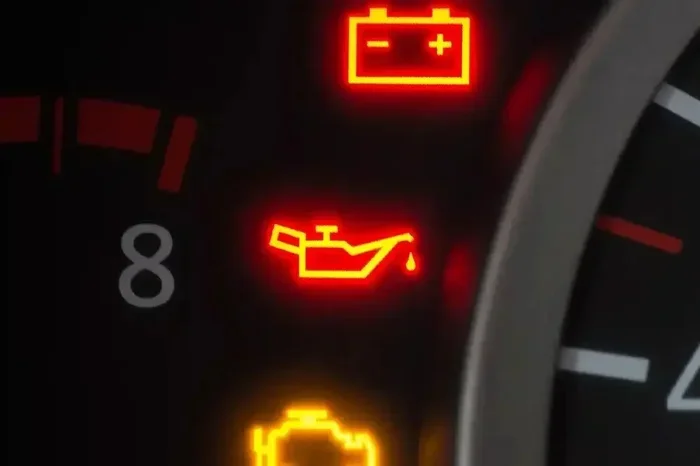
I Just Had My Oil Change and My Car Says Oil Change Needed
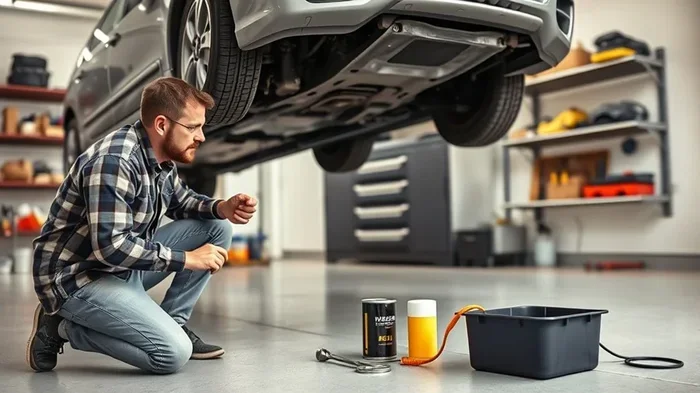
If your car says oil change needed right after you just had it done, you are not alone. This confusing message happens for several simple reasons, and most of them are easy to fix. Your vehicle’s oil life system may not have been reset properly, or the oil change interval might be based on driving conditions rather than mileage. Understanding why your dashboard warning appears can save you time, money, and unnecessary trips to the mechanic.
You just left the auto shop. The receipt is in your hand. You paid for an oil change, a new oil filter, and maybe a tire rotation too. You feel good. You did the right thing for your car. Then you turn the key, and there it is. That little red or yellow light on the dashboard that reads “Oil Change Needed.”
Your brain freezes. Did they forget? Did they use the wrong oil? Is something broken? Take a deep breath. This happens more often than you think, and the fix is usually simpler than you expect. Let us walk through exactly why your car is telling you this and what you can do about it right now.
Modern vehicles are smarter than older models. They use sophisticated oil life monitoring systems to track when your engine oil needs replacing. But these systems are not perfect. They rely on algorithms, sensors, and sometimes a manual reset that many drivers do not know about. Understanding how the system works is the first step to solving the problem.
Key Takeaways
- Reset the oil life system: Most modern cars use an oil life monitor, not a simple mileage counter. If you skip the reset step, the light stays on.
- Check the oil level and quality: Sometimes the sensor detects low oil or poor oil condition, triggering the warning even after a fresh oil change.
- Know your oil change interval: Driving habits like short trips, towing, or extreme temperatures can shorten the recommended interval, causing the light to return sooner.
- Don’t ignore the warning: Driving with an active oil change light can lead to engine damage over time, even if the oil looks fine.
- DIY reset is usually easy: Most vehicles allow you to reset the oil change reminder in just a few minutes using the dashboard controls.
- See a mechanic if the light persists: A faulty oil pressure sensor or deeper issue may be the cause, and professional diagnosis is always a smart move.
📑 Table of Contents
- Why Does My Car Say Oil Change Needed Right After an Oil Change?
- How to Reset the Oil Change Light After an Oil Change
- Understanding Your Oil Change Interval
- Common Mistakes After an Oil Change
- When to See a Mechanic About the Oil Change Light
- How to Prevent This From Happening Again
- Expert Insights on Oil Change Reminder Systems
- Cost Considerations for Oil Change Light Issues
- Conclusion
Why Does My Car Say Oil Change Needed Right After an Oil Change?
There are several reasons your car might display this message even though you just got your engine oil changed. Let us look at each one so you can figure out what is happening with your vehicle.
The Oil Life System Was Not Reset
This is the number one reason. Most cars today do not use a simple mileage-based reminder. Instead, they use an oil life monitor that tracks driving habits, engine temperature, and usage patterns. When the technician finishes your oil change, they need to manually reset this system. If they forget, or if the reset does not fully complete, the light stays on.
Different car brands use different reset procedures. For example, a Honda reset process is not the same as a Ford or a Chevrolet. Some cars require you to hold a button on the dashboard. Others need you to navigate through the steering wheel controls. The oil change reminder is essentially a counter that starts over once you reset it. If it never got reset, it keeps counting from where it left off.
The Oil Life Monitor Uses Driving Conditions
Here is something many drivers do not know. The oil change interval on modern cars is not always based on miles alone. Your car looks at how you drive. If you frequently take short trips, drive in stop-and-go traffic, tow heavy loads, or drive in extreme heat or cold, your car’s system may decide your oil degrades faster. This is called “severe service” driving.
So even if the technician reset the system correctly, your driving conditions might have triggered the light again very quickly. The oil life system is designed to protect your engine. It is being conservative. It is telling you that based on how you use the car, the oil needs attention sooner than the standard mileage would suggest.
A Faulty Oil Pressure Sensor
Sometimes the problem is not the oil at all. It is the sensor. Your car has an oil pressure sensor that monitors the health of the oil in the system. If this sensor is malfunctioning, it can send a false signal to the computer. The computer then displays the “Oil Change Needed” message even though everything is perfectly fine.
This is more common in older vehicles or cars with high mileage. A faulty sensor does not mean your oil is bad. It means the sensor needs to be checked or replaced. This is a relatively inexpensive fix compared to engine damage from ignored oil issues.
Low Oil Level After the Change
Although it is rare, sometimes the oil level is slightly low after an oil change. Maybe the technician did not add quite enough oil. Maybe there is a small leak from the drain plug or the oil filter. When the oil level drops below the recommended range, the sensor can trigger a warning.
You should always check your oil level after an oil change. Pop the hood, pull the dipstick, and wipe it clean. Reinsert it, pull it out again, and look at the level. It should fall between the minimum and maximum marks. If it is low, add the correct type of oil for your vehicle.
The Wrong Oil Was Used
Every car manufacturer specifies a certain type of engine oil for optimal performance. This includes the viscosity grade like 5W-30 or 0W-20 and whether it should be conventional, synthetic blend, or full synthetic oil. If the wrong oil was used, the oil life system might detect a mismatch and flag the car accordingly.
Using the wrong oil can also affect how well the oil protects your engine. Synthetic oil offers better protection and lasts longer than conventional oil. If your car requires synthetic but received conventional, the oil may degrade faster, and the system will respond by triggering the warning sooner.
How to Reset the Oil Change Light After an Oil Change
Resetting the oil change reminder is one of the easiest things you can do yourself. Most car manufacturers make the process straightforward. Here is a general guide, but always check your owner’s manual for the exact steps for your specific vehicle.
- Turn the ignition to the “ON” position. Do not start the engine. Just turn the key or press the start button so the dashboard lights come on.
- Locate the reset button. This is usually on the steering wheel stalks, the dashboard, or near the instrument cluster. In some vehicles, you use the infotainment screen to access the reset function.
- Press and hold the reset button. Hold it for about 10 to 15 seconds. Watch the dashboard. The oil change light should flash, then turn off.
- Turn the ignition off and then back on. This confirms the reset. The light should not come back on.
- Check the owner’s manual. If these steps do not work, your car may have a different reset procedure. The manual will have the exact steps.
Quick Tip: If you cannot find the reset button, search online for “reset oil change light” followed by your car’s make, model, and year. There are hundreds of videos and guides that walk you through it step by step.
Understanding Your Oil Change Interval
Not all oil changes are created equal. The interval between oil changes depends on several factors. Understanding these factors helps you know when your car actually needs service and when the light might be a false alarm.
Traditional Mileage-Based Intervals
For decades, the standard advice was to change your oil every 3,000 miles. This rule is outdated for most modern cars. Today, many vehicles can go 5,000 to 7,500 miles between oil changes. Some cars with synthetic oil can even go 10,000 miles or more.
The old 3,000-mile rule came from an era of conventional oil and less efficient engines. Today’s engines are built tighter and use better lubricants. You can usually find the recommended interval on the oil fill cap under your hood or in your owner’s manual.
Severe Service vs. Normal Service
Car manufacturers divide driving conditions into two categories: normal and severe. “Severe service” includes:
- Short trips under 5 miles in cold weather
- Frequent stop-and-go traffic
- Towing a trailer or carrying heavy loads
- Driving in extreme heat or dust
- Idling the engine for long periods
- Frequent driving on dusty or gravel roads
If your driving habits fall into the severe category, your oil change interval should be shorter. The oil life system accounts for this automatically, but it is good to know so you are not surprised by the reminder.
Common Mistakes After an Oil Change
There are a few mistakes that drivers commonly make after getting an oil change. Avoiding these can prevent the “Oil Change Needed” light from coming back on too soon.
Forgetting to Replace the Oil Filter
The oil filter catches contaminants and debris from the engine oil. Over time, it gets clogged. If the old filter is not replaced during the oil change, the new oil gets contaminated quickly. This can trigger the oil life monitor to flag the system again.
Always confirm with the technician that a new oil filter was installed. It is a small part, but it plays a big role in keeping your engine clean.
Overfilling or Underfilling the Oil
Both too much and too little oil are problems. Overfilling can cause foaming, which reduces the oil’s ability to lubricate. Underfilling means the engine does not get full coverage. Either scenario can trigger warning lights and potentially damage the engine over time.
Always check the oil level after an oil change. It takes about 30 seconds and can save you a lot of headaches.
Ignoring the Reset Step
This one is so simple, yet so many people skip it. If the oil change light is not reset, it will stay on no matter what. Make it a habit to ask the technician to reset it. Or better yet, learn how to do it yourself. It takes less than two minutes.
When to See a Mechanic About the Oil Change Light
Most of the time, the “Oil Change Needed” light is nothing to worry about. But there are situations where you should take your car to a professional.
First, if the light stays on after you have reset the system and confirmed the oil level is correct, something else is going on. The oil pressure sensor might be failing. There could be an issue with the oil pan or the oil pump. These are not DIY fixes.
Second, if you notice other symptoms along with the light, take it seriously. Those symptoms include:
- Strange engine noises like knocking or ticking
- Dark or gritty oil on the dipstick
- Oil smells burnt
- The temperature gauge is running hot
- The check engine light is also on
These signs suggest a deeper problem that goes beyond a simple oil change reminder. A qualified mechanic can run a diagnostic test and check the oil pressure to determine what is really going on.
Quick Tip: Many auto parts stores offer free diagnostic scanning. They can read the error codes from your car’s computer and tell you exactly what triggered the warning light. This is a great first step before paying for a full mechanic visit.
How to Prevent This From Happening Again
Once you have resolved the “Oil Change Needed” light, you probably want to avoid this frustration in the future. Here are some practical steps to keep your car running smoothly and your dashboard clear of annoying warnings.
- Keep a maintenance log. Write down every oil change date, mileage, and oil type. This helps you track patterns and know when your next service is due.
- Learn your reset procedure. Every car is different. Spend five minutes reading the owner’s manual section on oil change reset. You will be glad you did.
- Use the right oil. Always use the oil grade and type recommended by your car’s manufacturer. Check the owner’s manual or look at the oil fill cap for this information.
- Check your oil monthly. Get in the habit of checking the oil level once a month. It takes less than a minute and helps you catch low oil early.
- Choose a trusted mechanic or oil change service. A reputable shop will reset the system for you as part of the service. Ask them to confirm it before you leave.
- Pay attention to driving conditions. If you drive in severe conditions more often, consider shortening your oil change interval proactively.
Taking these small steps goes a long way in protecting your engine and keeping that annoying light off your dashboard.
Expert Insights on Oil Change Reminder Systems
Automotive experts agree that the “Oil Change Needed” light after a recent oil change is almost always a reset issue or a sensor quirk. According to certified mechanics, the oil life monitoring system in modern cars is more accurate than older mileage-based systems, but it still relies on proper maintenance and reset procedures.
One mechanic with over 15 years of experience shared that the most common call he gets is from drivers who just had an oil change and see the light still on. In nearly every case, the fix is a simple reset. He advises drivers not to panic and to check the reset procedure first before assuming something is wrong with the engine or the oil itself.
Another expert points out that driving habits play a huge role. “If you are someone who drives mostly short trips around town, your car’s system will see that as severe use,” he explains. “The oil breaks down faster in those conditions, and the system is just doing its job by reminding you earlier.”
Key Takeaways from the experts:
- The light is almost never an emergency if you just had the oil changed.
- Always confirm the oil level and condition before assuming the worst.
- Reset the system properly after every oil change.
- Trust the oil life monitor but understand what it is measuring.
- When in doubt, get a professional diagnostic scan. It is cheap insurance for your engine.
Cost Considerations for Oil Change Light Issues
Dealing with an oil change light that will not go off can feel like an unexpected expense. But the good news is that most fixes are free or very low cost.
| Issue | Estimated Cost | DIY Fix? |
|---|---|---|
| Resetting the oil change light | Free | Yes |
| Adding more oil | Under $10 | Yes |
| Replacing the oil pressure sensor | $50 to $150 | No |
| Replacing the oil filter | $10 to $30 | Yes |
| Diagnostic scan at auto parts store | Free | No |
| Oil change if done incorrectly | $40 to $100 | No |
As you can see, the most likely causes of this problem cost nothing to fix. The reset is free. Checking the oil level is free. Even a diagnostic scan is often free at stores like AutoZone or O’Reilly. You do not need to spend a lot of money to get to the bottom of this issue.
Common Mistake: Do not assume the oil change shop made a mistake and immediately go back demanding a redo. Start with the simple fixes first. Check the oil level, reset the system, and verify the oil type. If the light still does not go off, then it is time to go back to the shop or see a mechanic.
Conclusion
Seeing the “Oil Change Needed” light right after you just had your oil changed is frustrating, but it is almost always fixable with a simple solution. The most common cause is a forgotten oil life system reset. Other causes include low oil level, a faulty sensor, or driving conditions that trigger the oil change interval sooner than expected.
Your car’s oil change reminder system is designed to protect your engine. When it activates after a recent oil change, it is usually telling you that the system needs to be reset, not that something is wrong with your engine. Take a few minutes to check the oil level, reset the system using your car’s specific procedure, and verify that the correct oil was used.
If the light persists after all of these steps, do not ignore it. Visit a trusted mechanic or auto parts store for a free diagnostic scan. Catching a potential sensor issue early can save you from bigger problems down the road. Regular car maintenance and understanding how your vehicle’s systems work are the best ways to keep your engine healthy and your dashboard warning-free.
Stay proactive with your oil change schedule. Keep a maintenance log, use the right oil, and never skip the reset step. Your car will thank you with years of reliable performance.
Frequently Asked Questions
Why does my car still say oil change needed after I just had it done?
The most common reason is that the oil life system was not reset after the oil change. Modern cars use a monitoring system that tracks driving conditions, not just mileage. If the reset is not performed, the light stays on. Check your owner’s manual for the reset procedure specific to your vehicle.
Is it safe to drive with the oil change light on after a recent oil change?
In most cases, yes. The light is usually just a reminder that the system needs to be reset. However, you should check the oil level and condition to make sure everything is actually okay. If the light stays on for several days after a reset attempt, have a mechanic inspect the vehicle.
How do I know if my oil pressure sensor is faulty?
A faulty oil pressure sensor often triggers the oil change light even when the oil is fresh and at the correct level. Other signs include inconsistent oil pressure readings on the dashboard or the light flickering randomly. A mechanic can test the sensor with a diagnostic tool to confirm if it needs replacement.
Can driving habits affect when the oil change light comes on?
Absolutely. The oil life monitor in your car tracks driving patterns like short trips, stop-and-go traffic, towing, and extreme temperatures. These are considered “severe service” conditions and can cause the system to recommend an oil change sooner than the standard mileage interval.
What type of oil should I use for my car?
Check your owner’s manual or the oil fill cap under your hood. The recommended oil viscosity (like 5W-30 or 0W-20) and type (conventional, synthetic blend, or full synthetic) are listed there. Using the wrong oil can affect engine performance and may trigger warning lights.
How often should I reset my oil change light?
You should reset the oil change reminder every time you get an oil change. This ensures the system starts tracking from zero and gives you an accurate estimate of when the next oil change is due. Make it part of your routine after every oil service.