I-stop
Mazda’s i-stop technology is an intelligent idle stop-start system that shuts off your engine when you come to a complete stop and restarts it instantly when you’re ready to move. It helps improve fuel efficiency, reduces CO2 emissions, and makes city driving more eco-friendly. This guide covers everything from how i-stop works to common issues and practical tips for getting the best results.
You may have noticed your car engine turning off automatically when you stop at a red light. Maybe it felt a little strange at first. But that is exactly what i-stop technology is designed to do. Mazda developed this clever system to help drivers save fuel and reduce emissions without sacrificing comfort or performance.
In this article, we will break down everything you need to know about i-stop. We will explain how it works, why it matters, what problems you might face, and how to get the most out of it. Whether you are a curious new Mazda owner or just someone who wants to understand stop-start systems better, you are in the right place.
Key Takeaways
- What i-stop Is: Mazda’s smart idle stop-start system that saves fuel by shutting off the engine at stops.
- How It Works: Uses the starter motor and battery to restart the engine quickly and smoothly when you release the brake.
- Fuel Savings: i-stop can improve fuel economy by up to 10% in city driving conditions.
- City Driving Advantage: The system works best in stop-and-go traffic where frequent stops occur.
- Common Issues: Problems can include battery weakness, sensor faults, and extreme temperature effects.
- Maintenance Tips: Regular battery checks and keeping the system clean help i-stop perform at its best.
- i-stop vs. Others: Mazda’s system is known for a faster, smoother restart compared to many competitors.
📑 Table of Contents
What Is i-Stop and How Does It Work?
The i-stop system is Mazda’s proprietary idle stop-start technology. When you come to a full stop — like at a traffic light or in heavy congestion — the system automatically shuts off the engine. Then, when you press the accelerator or release the brake, the engine restarts almost instantly.
The Science Behind the Shutdown
Here is what happens under the hood. When your car stops moving and you press the brake pedal, the i-stop system sends a signal to the engine control unit. The unit then cuts fuel delivery and ignition. The engine shuts down smoothly. All of this happens in a fraction of a second.
When you are ready to go again, the system uses a powerful starter motor and the car’s battery to crank the engine back to life. Unlike older systems that took a noticeable pause, Mazda’s i-stop delivers a near-instant restart. You barely feel it happening.
Why Mazda’s Approach Is Different
Many carmakers use stop-start systems. But Mazda’s i-stop stands out for a few reasons. First, it restarts the engine using the combustion process itself. Instead of relying solely on the starter motor, i-stop finds the exact position of each piston and injects fuel at the perfect moment. This creates a faster, smoother restart.
Second, the system works with both manual transmission and automatic transmission vehicles. It is also designed to function reliably across a wide range of temperatures. Whether you are driving in freezing winter or scorching summer heat, i-stop is built to handle it.
Benefits of i-Stop Technology
So why does Mazda put i-stop in so many of its vehicles? The answer comes down to real-world benefits that drivers can actually feel and measure.
Improved Fuel Efficiency
The biggest advantage of i-stop is better fuel efficiency. When your engine is off at a red light, it uses zero fuel. In city driving, where you stop frequently, those little savings add up quickly. Studies show that stop-start systems like i-stop can improve MPG by 5% to 10% in urban conditions.
For daily commuters who spend hours in stop-and-go traffic, those savings can mean real money at the pump over time.
Reduced CO2 Emissions
Every time your engine idles, it pumps out carbon dioxide. i-stop reduces those idle emissions significantly. Over a year of city driving, the difference can be meaningful. If you care about eco-friendly driving, i-stop is one of the simplest ways to shrink your car’s carbon footprint.
Smoother Driving Experience
Older stop-start systems often felt jerky or slow. Mazda spent years refining i-stop to make it nearly invisible to the driver. The restart is so quick and smooth that you barely notice it happened. This means you get the benefits of fuel savings without any annoying pauses or vibrations.
Engine Wear Is Minimal
Some drivers worry that constantly stopping and starting the engine will cause extra wear. Mazda addressed this concern directly. The i-stop system uses a reinforced starter motor and optimized lubrication design. In most cases, the wear on the starter and battery is minimal compared to the fuel and engine benefits gained.
i-Stop in City Driving vs Highway Driving
Not all driving conditions are the same, and i-stop is not designed to work equally in every scenario. Understanding when the system activates — and when it does not — helps you set realistic expectations.
City Driving: Where i-Stop Shines
City driving is the perfect home for i-stop. Think about your daily commute. You stop at traffic lights. You slow down for pedestrians. You crawl through congested intersections. Every single one of those stops is an opportunity for i-stop to save fuel.
In heavy urban traffic, the system may cycle on and off dozens of times during a single trip. That is exactly what it is built for. The more stops you encounter, the more fuel you save.
Highway Driving: When i-Stop Stays Quiet
On the highway, i-stop typically stays inactive. There are very few complete stops at high speeds, and restarting the engine at highway velocity would not make sense. The system is designed to activate only when the car is fully stationary or moving very slowly.
This means your highway fuel economy gains come from other Mazda engineering features, not from i-stop. But that is perfectly fine. The system is smart enough to know when to work and when to stay out of the way.
Other Conditions That Affect i-Stop
There are a few situations where i-stop may not activate, even when you are stopped:
- Extreme temperatures: Very cold or very hot conditions may disable the system to protect the engine and battery.
- Low battery charge: If the battery is weak, i-stop will not engage to avoid draining it further.
- Air conditioning demand: In some models, if the AC system needs full power, i-stop may pause temporarily.
- Steering input: If you are turning the steering wheel while stopped, the system may not shut off the engine.
Common i-Stop Issues and How to Troubleshoot Them
Like any automotive technology, i-stop is not perfect. From time to time, you may notice the system is not working as expected. Here are the most common problems and what you can do about them.
The Engine Does Not Shut Off at Stops
If you notice i-stop is not activating, the first thing to check is the dashboard indicator. A warning light may tell you why the system is disabled. Common reasons include a low battery charge, a malfunctioning alternator, or a sensor issue.
Try these steps first:
- Make sure the battery terminals are clean and tight.
- Check that the battery is holding a proper charge.
- Verify that the brake light switch is working correctly.
- Ensure the engine has reached normal operating temperature.
Rough or Slow Engine Restart
A smooth i-stop restart should happen in less than half a second. If you notice a delay or a rough restart, the starter motor or battery may be wearing out. These components have a finite lifespan and may need replacement after several years of heavy use.
Regular maintenance checks can catch these issues early. Ask your mechanic to inspect the starter and battery during routine service visits.
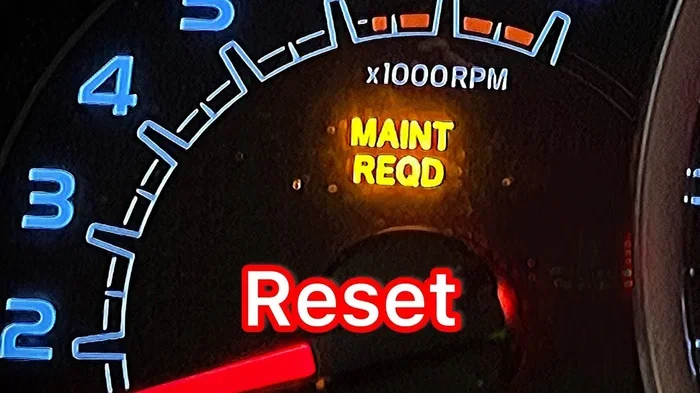
i-Stop Warning Light Stays On
A persistent i-stop warning light usually signals a deeper problem. It could be a faulty sensor, a software glitch, or an issue with the engine control module. In most cases, a trip to a certified Mazda service center will resolve the issue quickly.
Tips to Get the Most Out of i-Stop
Want to maximize the benefits of your i-stop system? A few simple habits can go a long way.
Keep Your Battery Healthy
The i-stop system depends heavily on a strong, well-charged battery. Since the system uses the battery to restart the engine repeatedly, a weak battery will cause i-stop to disengage. Have your battery tested at least twice a year, especially before extreme weather seasons.
Avoid Excessive Idling Before Driving
Some drivers let their car idle for minutes before driving off. With i-stop, this is unnecessary. The system is designed to handle frequent starts. Letting the car idle for long periods actually wastes fuel and defeats the purpose of the technology.
Keep the System Clean
Dirt and debris can affect the sensors that tell i-stop when to activate. Regular car washes and keeping the engine bay clean can help the system function properly. Pay special attention to the area around the brake pedal and the starter motor.
Do Not Disable i-Stop Unless Necessary
Most Mazda vehicles have a button to manually turn off i-stop. You might be tempted to press it and forget about it. But leaving i-stop on is the best way to enjoy consistent fuel savings over time. Only turn it off when you have a specific reason, like a battery issue or a very short trip where the system keeps cycling annoyingly.
Stay on Top of Scheduled Maintenance
Regular oil changes, spark plug replacements, and air filter updates all contribute to a healthier engine. A well-maintained engine works better with i-stop. Follow Mazda’s recommended service schedule and your stop-start system will reward you with years of reliable performance.
i-Stop vs. Other Stop-Start Systems
Not all stop-start systems are created equal. Let us take a quick look at how Mazda’s i-stop compares to the competition.
| Feature | Mazda i-Stop | Typical Competitor Systems |
|---|---|---|
| Restart Method | Combustion-assisted piston positioning | Standard starter motor only |
| Restart Speed | Under 0.5 seconds | 0.5 to 1.5 seconds |
| Transmission Compatibility | Manual and automatic | Varies by manufacturer |
| Fuel Savings (City) | 5% to 10% | 3% to 8% |
| Extreme Temperature Performance | Good, with thermal management | May disable in extreme cold/heat |
| Engine Wear Impact | Minimal due to reinforced parts | Varies widely |
As you can see, Mazda’s i-stop holds its own against other stop-start systems on the market. The combustion-assisted restart is a standout feature that delivers a smoother, faster experience. Many drivers who switch from a competitor’s vehicle to a Mazda with i-stop notice the difference right away.
The Future of Stop-Start Technology
Stop-start systems like i-stop are just the beginning. As hybrid vehicles and electric vehicles become more popular, the role of traditional stop-start technology will evolve. Mazda continues to invest in refining i-stop and integrating it with newer engine designs, including their SkyActiv engine family.
Looking ahead, we can expect even smarter systems that adapt to driving patterns, traffic conditions, and driver preferences. But for now, i-stop remains one of the most effective and refined stop-start technologies on the market. It is a great example of how smart engineering can make a real difference in everyday driving.
Conclusion
Mazda’s i-stop technology is a smart, effective way to save fuel and reduce emissions without compromising the driving experience. From its combustion-assisted restart to its seamless operation in city traffic, i-stop represents years of thoughtful engineering. Whether you are a daily commuter or an occasional city driver, the benefits are clear.
Keep your battery healthy, stay current with maintenance, and let i-stop do its job. The small savings at each stop add up to big results over time. Embrace the technology, and you will wonder how you ever drove without it.
Frequently Asked Questions
What does i-stop stand for?
i-stop is short for “intelligent stop.” It is Mazda’s branded name for its idle stop-start system. The technology automatically shuts off the engine when the car comes to a complete stop and restarts it instantly when you are ready to move again.
Does i-stop damage the engine or starter motor?
No, Mazda designed i-stop with reinforced components that handle frequent starts. The starter motor and battery are built to withstand the extra cycles. With regular maintenance, the wear on these parts is minimal and well within normal operating limits.
Can I turn off i-stop if I do not like it?
Yes, most Mazda vehicles with i-stop have a button that lets you disable the system temporarily. However, keeping i-stop activated is the best way to enjoy consistent fuel savings. You can always turn it back on whenever you want.
How much fuel can i-stop really save?
In city driving conditions, i-stop can improve fuel economy by 5% to 10%. The exact savings depend on your driving habits, traffic conditions, and vehicle model. Drivers who spend a lot of time in stop-and-go traffic will see the biggest benefits.
Why does i-stop not work in very cold weather?
In extreme cold, the battery may not have enough charge to restart the engine quickly. To protect the battery and ensure reliable operation, i-stop automatically disables itself in very low temperatures. Once the engine warms up, the system typically reactivates.
Is i-stop the same as a hybrid system?
No, i-stop is not a hybrid system. It works with a conventional gasoline engine and does not use an electric motor for propulsion. Instead, it simply shuts off the engine at stops to save fuel. Hybrid vehicles use a combination of a gasoline engine and an electric motor for a different kind of efficiency boost.