my defleated tyre sign is on but my tyres look fine
My deflated tyre sign is on but my tyres look fine — this confusing situation can worry any driver. The tyre pressure warning light often activates even when your tyres appear normal. This usually points to a sensor issue, slow air leak, or temperature change. Understanding the root cause helps you fix the problem quickly and stay safe on the road.
You start your car one morning and see that familiar yellow warning light on the dashboard. The tyre pressure light is on. But when you walk outside, your tyres look perfectly fine. No flat spots. No visible damage. No sagging sides. This is a frustrating situation that many drivers face. The good news is that it’s usually not a serious problem. In this guide, we will walk you through exactly what to do when my deflated tyre sign is on but my tyres look fine. You will learn the common causes, how to check your pressure properly, and when to see a mechanic.
The tyre pressure monitoring system, or TPMS, is a safety feature in modern cars. It watches the air pressure inside your tyres and alerts you when something is wrong. Sometimes the system gives a false alarm. Other times, there is a real issue that is hard to see. Either way, ignoring the light is not a good idea. Under-inflated tyres can reduce your fuel economy, make driving unsafe, and wear out your tyres faster. So let us dive into the reasons behind this warning and how to fix it.
Key Takeaways
- TPMS sensors are often the culprit: A faulty sensor or dead battery can trigger the warning even with perfect tyre pressure.
- Temperature drops cause pressure loss: Cold weather can lower tyre pressure enough to activate the light.
- Slow punctures are sneaky: Small nail holes or valve stem leaks may not be visible but still cause pressure loss.
- Resetting the system often works: A simple TPMS reset can turn off the light after you fix the issue.
- Don’t ignore the warning: Driving on under-inflated tyres reduces fuel efficiency and safety.
- Professional help is sometimes needed: If DIY fixes don’t work, a mechanic can diagnose sensor or system problems.
📑 Table of Contents
- What Does the Deflated Tyre Sign Actually Mean?
- Why Your Tyres Look Fine but the Warning Light Is On
- How to Check Your Tyre Pressure the Right Way
- Quick Fixes to Turn Off the Deflated Tyre Warning
- Common Mistakes Drivers Make with TPMS Warnings
- When to Visit a Mechanic and How to Prevent Future Issues
- Conclusion
What Does the Deflated Tyre Sign Actually Mean?
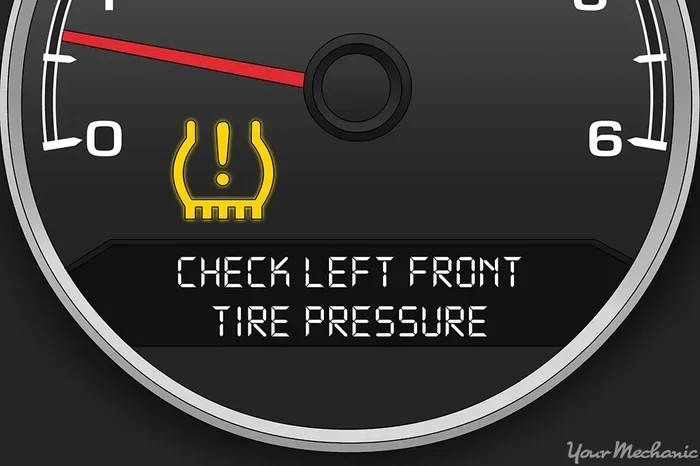
The deflated tyre sign on your dashboard looks like a horseshoe with an exclamation mark in the middle. This icon is part of your TPMS. When it lights up, it means the system has detected low air pressure in one or more tyres. Some cars show a yellow warning. Others display a red light, which means the pressure is dangerously low and you should stop driving right away.
Here is something many people do not know. The TPMS light can come on for reasons other than low pressure. A damaged sensor, a weak battery inside the sensor, or even a system glitch can trigger the warning. So when my deflated tyre sign is on but my tyres look fine, it does not always mean your tyres are actually flat. It means the system thinks something is wrong.
How TPMS Works
Each tyre has a small sensor inside the valve stem or mounted inside the wheel. These sensors measure the air pressure and send data to your car’s computer. If the pressure drops below a certain level, usually 25% below the recommended PSI, the light comes on. The sensors also run on small batteries. When those batteries die, the sensor stops sending data, and the warning light often appears.
Why Your Tyres Look Fine but the Warning Light Is On
There are several reasons why your tyres may look normal but the TPMS light stays on. Let us look at the most common ones. Understanding these causes will help you decide what to do next.
1. Slow Air Leak
A slow puncture is one of the top reasons for this problem. A tiny nail, screw, or sharp object can pierce the tyre without causing a flat. The air leaks out very slowly over days or even weeks. You may not notice any change in how the tyre looks or feels. But the TPMS picks up the gradual pressure drop and triggers the warning.
Common places where slow leaks happen include:
- The tread surface where a small object is embedded
- The valve stem, which can crack or loosen over time
- The rim edge, where the tyre meets the wheel
- The sidewall, where small cracks can form
2. Temperature Changes
Cold weather is a sneaky cause of low tyre pressure. When the temperature drops, the air inside your tyres contracts. This reduces the pressure. A change of just 10 degrees Fahrenheit can lower your tyre pressure by about 1 PSI. In winter months, this can be enough to turn on the TPMS light even if your tyres were fine the day before.
Many drivers notice the light comes on in the morning when it is coldest. As the day warms up and the air inside expands, the pressure may rise again. But the light often stays on until you reset the system or add air.
3. Faulty TPMS Sensor
Sometimes the problem is not your tyre at all. It is the sensor itself. TPMS sensors have a limited lifespan, usually around 5 to 10 years. The small battery inside each sensor eventually dies. When that happens, the sensor cannot send accurate readings, and the warning light comes on.
Other sensor problems include:
- Corrosion on the sensor or valve stem
- Damage from hitting a pothole or curb
- A sensor that has moved out of position
- Electronic interference from other devices
4. Recent Tyre Change or Rotation
If you have recently changed tyres or rotated them, the TPMS light may come on. This happens because the sensors need to be relearned or recalibrated after a tyre change. Some cars automatically reset. Others need a manual reset using a button or a diagnostic tool.
5. System Malfunction
In rare cases, the TPMS system itself has a glitch. A software error, a wiring problem, or a blown fuse can cause the light to stay on even when all your tyres are at the correct pressure. This is less common but does happen, especially in older vehicles.
How to Check Your Tyre Pressure the Right Way
When my deflated tyre sign is on but my tyres look fine, the first step is to check your tyre pressure manually. Do not rely on what you see. A visual check is not enough to detect a slow leak. You need a proper tyre pressure gauge.
Step-by-Step Tyre Pressure Check
- Find the recommended tyre pressure for your car. Look on the driver’s side door jamb or check your owner’s manual. Do not use the number printed on the tyre itself. That number is the maximum pressure, not the recommended pressure.
- Remove the valve cap from the tyre. Keep it in a safe place so you do not lose it.
- Press the tyre pressure gauge firmly onto the valve stem. You should hear a brief hiss of air. If the hiss is long and continuous, the gauge is not seated properly.
- Read the number on the gauge. Compare it to the recommended PSI for your car.
- Repeat this process on all four tyres, including the spare if your car has one.
If any tyre is low, use an air compressor to add air until it reaches the correct pressure. Most petrol stations have air pumps with built-in gauges. You can also buy a portable air compressor for your home or keep one in your boot.
| Tyre Pressure Check Method | Accuracy | Cost | Best For |
|---|---|---|---|
| Digital Tyre Gauge | Very High | Low ($5-$15) | Precise readings at home |
| Stick-Type Gauge | Good | Very Low ($2-$5) | Quick checks at petrol stations |
| Dial Gauge | High | Medium ($10-$25) | Easy-to-read numbers |
| Petrol Station Air Pump | Fair | Low (often free) | Quick top-ups on the go |
Quick Fixes to Turn Off the Deflated Tyre Warning
Once you have checked your tyre pressure and confirmed everything is fine, you can try turning off the warning light. Here are some quick fixes that work in most cases.
Reset the TPMS System
Most cars have a TPMS reset button. It is usually located under the steering wheel or on the dashboard. Here is how to reset it:
- Turn the ignition to the “on” position but do not start the engine
- Press and hold the TPMS reset button until the warning light blinks three times
- Release the button and start the engine
- Drive for about 20 minutes at a steady speed
- The light should turn off once the system recalibrates
Not sure where the reset button is? Check your owner’s manual. Some cars let you reset the system through the infotainment screen instead.
Add Air and Drive
If you found that one or more tyres were low, add air to the correct pressure. Then drive the car for a few kilometres. In many vehicles, the TPMS light will turn off automatically once the system detects the correct pressure again.
Replace the Sensor Battery
If a TPMS sensor battery is dead, the sensor needs to be replaced. This is a job for a mechanic or a tyre shop. The cost is usually between £20 and £50 per sensor. Some shops will replace the battery for less, but replacing the whole sensor is often more reliable.
Quick Tips
- Check tyre pressure when the tyres are cold. Driving heats up the air inside, which gives a falsely high reading.
- Keep a tyre gauge in your glove box. This lets you check pressure anytime, anywhere.
- Check your spare tyre too. A flat spare can cause problems when you need it most.
- Reset the TPMS after every tyre change. This prevents false warnings.
- Replace all TPMS sensors at the same time. If one battery is dying, the others may be close behind.
Common Mistakes Drivers Make with TPMS Warnings
When the deflated tyre sign comes on, many drivers make mistakes that make the problem worse. Here are the most common ones and how to avoid them.
Mistake 1: Ignoring the Light
The biggest mistake is simply ignoring the warning. Some drivers see that their tyres look fine and decide to wait it out. This is risky. Even a small pressure drop can affect your handling, braking distance, and fuel economy. Over time, driving on under-inflated tyres causes uneven wear and can lead to a blowout.
Mistake 2: Overinflating the Tyres
When drivers find that their pressure is low, they sometimes add too much air to be safe. Overinflated tyres are just as dangerous as underinflated ones. They have a smaller contact patch with the road, which reduces grip and makes the ride harsh. Always stick to the manufacturer’s recommended pressure.
Mistake 3: Using the Wrong Number
The number printed on the side of the tyre is the maximum pressure, not the recommended pressure. Using that number will overinflate your tyres. Always look for the recommended PSI on the driver’s door jamb or in the owner’s manual.
Mistake 4: Skipping the Spare Tyre
Many people forget to check the spare tyre. If you get a flat and the spare is also low, you are stuck. Make it a habit to check the spare pressure at least twice a year.
Expert Insight
According to tyre safety experts, checking your tyre pressure at least once a month can prevent most TPMS warnings. Temperature changes in autumn and spring are the most common triggers for the deflated tyre light. A monthly check takes only five minutes and can save you from unexpected breakdowns and costly tyre replacements.
When to Visit a Mechanic and How to Prevent Future Issues
Most of the time, you can fix the TPMS warning at home. But there are situations where professional help is the right choice. Knowing when to see a mechanic can save you time, money, and frustration.
Signs You Need Professional Help
You should visit a mechanic if any of these apply:
- The TPMS light stays on after you have checked and adjusted all tyre pressures
- The light keeps coming back even after you reset the system
- One or more tyres lose air faster than normal
- You can hear a hissing sound coming from a tyre
- The TPMS warning light flashes instead of staying solid
- You notice damage to the tyre sidewall or valve stem
A mechanic has diagnostic tools that can read the TPMS sensors directly. They can tell you exactly which sensor is failing and whether the problem is with the tyre or the system itself.
Preventing Future Tyre Pressure Problems
Prevention is always better than cure. Here is how to keep your TPMS system working properly and avoid future warnings:
- Check tyre pressure monthly. Set a reminder on your phone or calendar. A few minutes each month goes a long way.
- Invest in a good tyre gauge. A digital gauge is more accurate than the ones at petrol stations. Keep it in your car at all times.
- Check pressure before long trips. A quick check before a road trip can prevent problems on the highway.
- Inspect your tyres regularly. Look for nails, screws, cracks, or uneven wear. Catching a small puncture early prevents a flat tyre.
- Replace TPMS sensors when needed. Most sensors last 5 to 10 years. If your car is older, consider replacing all sensors at once.
- Keep your tyres properly aligned. Misaligned wheels cause uneven wear and can affect pressure readings.
Taking care of your tyres is one of the simplest things you can do for your car. It improves safety, saves fuel, and extends the life of your tyres. When my deflated tyre sign is on but my tyres look fine, the fix is often simple. But it is important to address it quickly.
Conclusion
Seeing the deflated tyre sign on your dashboard can be unsettling, especially when your tyres look perfectly fine. But now you know that this is a common issue with several possible causes. From slow punctures and temperature changes to faulty sensors and system glitches, the reasons are varied but usually easy to fix.
The key is to act quickly. Check your tyre pressure with a proper gauge. Reset the TPMS system if needed. And do not ignore the warning light, even if everything looks normal. A little attention now can prevent bigger problems later. Stay safe, keep your tyres in good shape, and enjoy the peace of mind that comes with knowing your car is road-ready.
Frequently Asked Questions
Why is my TPMS light on when all my tyres are at the correct pressure?
This usually happens because a TPMS sensor is faulty or its battery is dead. Cold weather can also cause a temporary pressure drop that triggers the light. Sometimes the system just needs a reset after you have confirmed all pressures are correct.
Can I drive with the deflated tyre warning light on?
You can drive a short distance, but it is not recommended. Under-inflated tyres reduce your grip and increase stopping distance. If the light is red and flashing, pull over safely and check your tyres immediately.
How much does it cost to replace a TPMS sensor?
A single TPMS sensor replacement typically costs between £20 and £50 for the part, plus labour if you visit a mechanic. Some garages offer sensor replacement for around £50 to £80 per tyre including fitting.
How do I know if my tyre has a slow puncture?
Signs of a slow puncture include the TPMS light coming on gradually, the car pulling slightly to one side, or needing to add air more often than usual. You can also apply soapy water to the tyre and look for bubbles, which reveal the leak location.
Does cold weather really affect tyre pressure enough to trigger the warning?
Yes, it does. A temperature drop of 10 degrees Fahrenheit can reduce tyre pressure by about 1 PSI. In cold climates, this is a very common reason for the TPMS light to come on, especially in the morning or during winter months.
How often should I replace my TPMS sensors?
TPMS sensors typically last between 5 and 10 years. The small battery inside each sensor cannot be replaced in most models, so the entire sensor needs to be replaced when the battery dies. If your car is over 7 years old, it is worth having the sensors checked during regular tyre service.