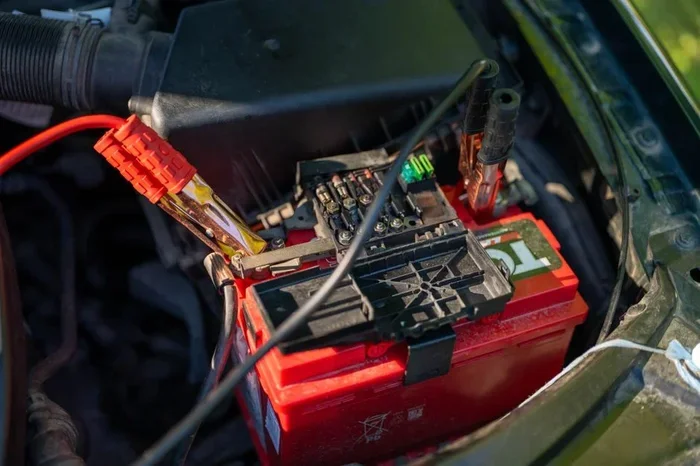
Oil Capacity
Oil capacity is the total amount of oil your engine can hold, including the oil pan and the lubrication system. Knowing your vehicle’s oil capacity helps you pick the right amount of engine oil during every oil change. This guide covers everything from oil capacity charts to practical tips for keeping your engine properly lubricated.
Every engine needs oil to run well. But how much oil does your engine actually hold? That number is your oil capacity. It is one of the most important specs to know about your vehicle. Whether you drive a small car or a big truck, understanding oil capacity keeps your engine healthy and strong.
When you skip this step, problems follow. Too little oil means poor engine lubrication. Too much oil can cause leaks and pressure issues. Both situations lead to costly repairs. That is why we built this guide. It walks you through everything you need to know about oil capacity in plain, simple language.
By the end of this article, you will know how to find your vehicle’s oil capacity, how to check your oil level correctly, and how to avoid the most common mistakes. You will also learn how oil capacity differs across cars, motorcycles, and trucks. Let us get started.
Key Takeaways
- Oil capacity tells you how much oil your engine needs to run smoothly.
- Using the wrong amount of oil can cause serious engine damage over time.
- You can find your vehicle’s oil capacity in the owner’s manual or online chart.
- Always check your oil level with the engine cool and on a flat surface.
- Different vehicle types like cars, motorcycles, and trucks have very different oil capacity needs.
- Regular oil changes and level checks extend your engine’s life significantly.
- Common mistakes like overfilling or underfilling are easy to avoid with the right knowledge.
📑 Table of Contents
What Is Oil Capacity?
Oil capacity is the total volume of oil your engine can hold. This includes oil sitting in the oil pan at the bottom of the engine. It also includes oil flowing through the lubrication system. The oil filter and oil reservoir hold small amounts too.
Think of it like the fuel tank in your car. Your fuel tank has a maximum amount it can hold. Oil capacity works the same way. Your engine has a specific limit. Going over or under that limit creates problems.
Manufacturers test each engine carefully. They determine the perfect oil capacity for smooth operation. This number depends on engine size, design, and the number of moving parts inside. A bigger engine usually needs more oil. A smaller engine needs less.
The unit of measurement is almost always quarts or liters. Most passenger cars hold between 4 and 6 quarts. Heavy trucks can hold 15 quarts or more. Always check your specific vehicle for the exact number.
Why Oil Capacity Matters for Your Engine
Your engine has many moving metal parts. These parts spin and rub against each other thousands of times per minute. Engine lubrication reduces friction and prevents wear. Without enough oil, metal grinds against metal. That causes heat, damage, and eventually engine failure.
Oil capacity matters because it sets the baseline for how much engine oil circulates through your system. The right amount ensures every component gets coated. It also helps carry heat away from hot spots inside the engine.
Here is why getting the oil capacity right is so important:
- Proper lubrication: The right amount of oil reaches every part of the engine.
- Heat control: Oil absorbs and moves heat away from critical areas.
- Clean engine: Oil carries away dirt and metal particles to the oil filter.
- Seal protection: Oil helps keep engine seals flexible and strong.
- Fuel efficiency: A properly lubricated engine runs smoother and uses less fuel.
When you ignore oil capacity, you risk underfilling or overfilling. Both are dangerous. Underfilling starves the engine. Overfilling creates excess pressure. That pressure can push past seals and gaskets. It can also cause the crankshaft to foam the oil. Foamed oil loses its ability to lubricate.
Oil Capacity and Viscosity
Viscosity is another key factor. Viscosity describes how thick or thin your oil is. The SAE rating on the bottle tells you this. For example, 5W-30 and 10W-40 are common ratings. The right viscosity combined with the correct oil capacity gives your engine the best protection.
Thicker oil holds more volume in the system. Thinner oil fills spaces more easily. Always match your viscosity to what the manufacturer recommends. Using the wrong viscosity can change how the oil behaves inside the engine, even if the volume is correct.
Oil Capacity by Vehicle Type
Not all vehicles need the same amount of oil. Oil capacity varies widely depending on the type of vehicle you drive. Let us break this down by vehicle category.
Car Oil Capacity
Most passenger cars have a car oil capacity between 4 and 6 quarts. Compact cars like the Honda Civic often hold around 4.2 quarts. Larger sedans like the Toyota Camry may need 6 quarts or more. Always confirm the number for your specific model.
Here are some common examples:
- Honda Civic: 4.2 quarts with filter
- Toyota Corolla: 4.3 quarts with filter
- Ford Focus: 4.5 quarts with filter
- Chevrolet Malibu: 6.0 quarts with filter
These numbers include both the oil pan and the lubrication system. They also account for the oil trapped in the oil filter. Always replace the filter during every oil change and add the full recommended amount.
Motorcycle Oil Capacity
Motorcycle oil capacity is usually much smaller than cars. Most bikes need between 2.5 and 4 quarts. The engine design is more compact. The crankcase is smaller too. That means less total volume is needed.
Some motorcycles share the engine oil with the transmission. This is called a wet clutch system. The oil capacity in these bikes must cover both the engine and gearbox. Using the wrong amount can affect shifting and clutch performance.
Always use motorcycle-specific engine oil. Car oil has different additives. Those additives can harm motorcycle clutch plates. Check your owner’s manual for the right viscosity and volume.
Truck and SUV Oil Capacity
Trucks and SUVs need significantly more oil. Their engines are larger and have more components. A Ford F-150 with a V8 engine may need 15 to 16 quarts. A Toyota 4Runner might need around 6.5 quarts. Heavy-duty trucks can exceed 20 quarts.
Diesel engines often have a higher oil capacity than gasoline engines. They run at higher pressures and temperatures. The lubrication system is more complex. More oil helps manage the extra heat and stress.
How to Find Your Vehicle Oil Capacity
Finding your vehicle’s oil capacity is easier than you think. There are several reliable sources. You do not need to guess or estimate.
Using the Owner’s Manual
Your vehicle’s owner’s manual is the best source. Open to the section on fluid capacities. It will list the oil capacity in quarts or liters. It may also specify the recommended viscosity and SAE rating.
Keep your manual in the glove box. If you lost yours, search for a PDF online. Most manufacturers offer free digital versions. Just search for your year, make, and model.
Checking the Oil Capacity Chart
An oil capacity chart is another great resource. Many automotive websites publish these charts. They list oil capacity for thousands of vehicle models. You can find them by entering your VIN or vehicle details.
Some charts also show oil capacity for different engine options. The same vehicle model may have multiple engines. Each engine has a different oil capacity. Always confirm which engine you have before looking up the number.
Here are quick ways to access an oil capacity chart:
- Visit the vehicle manufacturer’s website.
- Use trusted auto parts retailer sites.
- Check your local dealership’s service department.
- Use mobile apps designed for vehicle specs.
How to Check Your Current Oil Level
Knowing your oil capacity is only half the battle. You also need to check your oil level regularly. A simple check takes less than five minutes. It can save you from serious engine problems.
Follow these steps for an accurate reading:
- Park your vehicle on a flat surface.
- Turn off the engine and wait 5 to 10 minutes.
- Open the hood and locate the dipstick.
- Pull the dipstick out and wipe it clean.
- Reinsert the dipstick fully, then pull it out again.
- Look at the oil markings on the dipstick tip.
- Compare the level to the minimum and maximum marks.
The dipstick has two lines or holes. The oil should fall between them. If it is below the minimum mark, add oil slowly. If it is above the maximum mark, you may have overfilled.
Check your oil level at least once a month. Also check it before long trips. Hot oil expands and can give a false reading. Always check when the engine is cool or warm, not running. This gives you the most accurate oil level measurement.
Common Oil Capacity Mistakes and How to Avoid Them
Many drivers make avoidable mistakes with their oil capacity. These errors can damage the engine over time. Here are the most common ones and how to fix them.
Overfilling the Engine
Overfilling is one of the most common oil capacity mistakes. People think more oil equals more protection. That is not true. Excess oil causes the crankshaft to whip the oil into a foam. Foamed oil cannot lubricate properly. It also creates excess pressure inside the crankcase.
Signs of overfilling include oil leaks, a burning oil smell, and blue exhaust smoke. If you overfill, drain the excess oil immediately. Use a suction pump or visit a mechanic. Do not keep driving with too much oil.
Underfilling the Engine
Underfilling is just as dangerous. Low oil means poor engine lubrication. Metal parts grind against each other without a proper oil film. This causes accelerated wear and overheating. Over time, it leads to engine seizure.
Signs of underfilling include engine noise, oil pressure warnings, and reduced performance. If your oil level is low, add the correct type of oil slowly. Check the dipstick after each addition until you reach the proper level.
Ignoring the Oil Filter
Many people forget to account for the oil filter when calculating oil capacity. A new oil filter holds about 0.5 to 1 quart of oil. When you replace the filter, you must add extra oil to compensate. Skipping this step can leave your engine slightly underfilled.
Always add the full oil capacity amount after installing a new oil filter. This ensures the lubrication system has enough oil to circulate properly from the first start.
Tips for Maintaining the Right Oil Level
Keeping the right oil level is simple with a few good habits. These tips help you stay on track and protect your engine.
- Set a monthly reminder: Check your oil level on the first of every month. It becomes second nature quickly.
- Use the right oil: Always use the viscosity and type recommended by the manufacturer. The SAE rating on the bottle should match your manual.
- Change oil on schedule: Follow the recommended oil change interval. Most vehicles need an oil change every 5,000 to 7,500 miles.
- Keep a log: Write down each oil change date and mileage. This helps you track patterns and catch problems early.
- Inspect for leaks: Look under your vehicle for oil spots. Leaks reduce your oil level over time without you noticing.
- Buy quality oil: Use reputable brands that meet API and SAE standards. Cheap oil may not protect your engine properly.
These habits take little time but pay off big. A well-maintained engine lasts longer, runs smoother, and uses less fuel. Your oil capacity is the foundation of all of this.
Quick Tips for Every Driver
Here are a few bonus tips to keep in mind:
- Never add oil without checking the dipstick first.
- Always use a funnel when pouring oil to avoid spills.
- Dispose of old oil properly at a recycling center.
- Keep a spare quart of oil in your trunk for emergencies.
- When in doubt, consult your local dealership or trusted mechanic.
Conclusion
Oil capacity is a simple concept with big consequences. It tells you exactly how much oil your engine needs to run safely. Getting this number right protects your engine from wear, overheating, and costly repairs. Whether you drive a compact car, a motorcycle, or a heavy-duty truck, knowing your oil capacity is essential.
Use this guide to find your vehicle’s oil capacity, check your oil level regularly, and avoid the most common mistakes. Pair this knowledge with quality engine oil and a consistent oil change schedule. Your engine will thank you for years to come. Start today. Check your oil capacity and make it a habit to stay on top of your engine lubrication system.
Frequently Asked Questions
What happens if I put too much oil in my engine?
Overfilling causes the crankshaft to whip the oil into foam. Foamed oil loses its ability to lubricate properly. This leads to increased friction, overheating, and potential engine damage. If you overfill, drain the excess oil immediately to protect your engine.
How often should I check my oil capacity and oil level?
You should check your oil level at least once a month. Also check it before any long road trips. Regular checks help you catch leaks or consumption issues early. Keeping track of your oil capacity ensures you always know when to add oil.
Does oil capacity include the oil filter?
Yes, the total oil capacity includes oil in the oil filter. When you replace the filter during an oil change, you need to add the full recommended volume. The oil filter holds about 0.5 to 1 quart, so account for that when refilling.
Can I use a different viscosity oil than what is recommended?
It is best to stick with the manufacturer’s recommended viscosity and SAE rating. Using the wrong viscosity can reduce engine lubrication and affect performance. Always check your owner’s manual or oil capacity chart before choosing a different oil.
Where can I find my vehicle’s oil capacity chart?
You can find an oil capacity chart in your owner’s manual or online. Many auto parts websites and manufacturer sites offer free charts. Enter your vehicle’s year, make, model, and engine type to get the exact oil capacity for your car.
What is the difference between oil capacity and oil level?
Oil capacity is the total amount of oil your engine can hold. Your oil level is how much oil is currently in the system at any given time. The oil level should always sit between the minimum and maximum marks on your dipstick. Keeping the oil level close to the maximum ensures proper engine lubrication at all times.