Why Does My Tire Sound Like a Flat Tire but Not Flat
Hearing a flat tire sound when your tire is fine is frustrating and scary. This guide explains the top reasons your tire makes that thumping noise, from low pressure to worn wheel bearings. We’ll walk you through each cause, what to check, and how to fix it so you can drive safely and quietly again.
You’re driving down the road, and that familiar thumping noise starts. Your first thought? You’ve got a flat tire. You pull over, look at the tire, and it looks perfectly fine. So what’s going on? This is one of the most common car puzzles drivers face, and it has more causes than you might think.
In this article, we’ll break down exactly why your tire sounds like a flat tire but not flat. We’ll cover every likely cause, what you can do about it, and when it’s time to call in a pro. Whether it’s a simple pressure issue or something more serious like a worn wheel bearing, we’ve got you covered. Let’s get into it.
Key Takeaways
- Low tire pressure is the #1 reason a tire sounds flat even when it isn’t completely deflated.
- Worn wheel bearings can mimic flat tire sounds and need immediate attention.
- Uneven tire wear and damaged treads cause thumping that feels like a flat.
- A faulty tire valve stem lets air seep out slowly, creating flat-tire-like noise.
- Regular tire inspection helps you catch problems early before they worsen.
- Tire armor and protective coatings can prevent some causes of tire noise.
- When in doubt, see a mechanic — some tire issues are unsafe to drive on.
📑 Table of Contents
- Why Does My Tire Sound Like a Flat Tire but Not Flat?
- How to Diagnose the Cause of Tire Thumping
- Common Mistakes People Make When They Hear Tire Noise
- Quick Tips to Prevent Tire Noise and Flat-Like Sounds
- When Should You Replace Your Tire Instead of Repairing It?
- Expert Insights on Tire Noise
- Final Thoughts: Don’t Ignore That Thumping Sound
Why Does My Tire Sound Like a Flat Tire but Not Flat?
That annoying thumping or flapping sound coming from your tire can really ruin a good drive. The truth is, many things can make a tire noise that mimics a flat, even when the tire is fully inflated. Understanding these causes is the first step to fixing the problem.
When a tire loses air, it flattens against the road. This creates a loud, rhythmic thumping as the rubber scrubs against the pavement. But here’s the thing — you don’t need a completely deflated tire to hear this sound. Even slightly low pressure changes how the tire rolls. The tire pressure drops just enough to alter the contact patch, and suddenly you’re hearing that dreaded flat-tire noise.
Let’s explore each reason your tire might sound flat even when it isn’t.
1. Low Tire Pressure (The Most Common Culprit)
Air leaks happen slowly over time. A tiny puncture, a bad seal, or even temperature changes can reduce your tire pressure by a few PSI. When pressure drops below the recommended level, the tire sidewall flexes more than it should. This extra flex creates that telltale thumping sound.
Check your tire pressure with a reliable gauge. Compare the reading to the PSI listed on your driver’s side door jamb. If any tire reads even 5-10 PSI below the recommendation, that could be your answer. Top it off and see if the noise stops.
Quick Tip: Check tire pressure when the tires are cold — meaning you’ve driven less than a mile. Hot tires give false readings.
2. Worn or Uneven Tire Tread
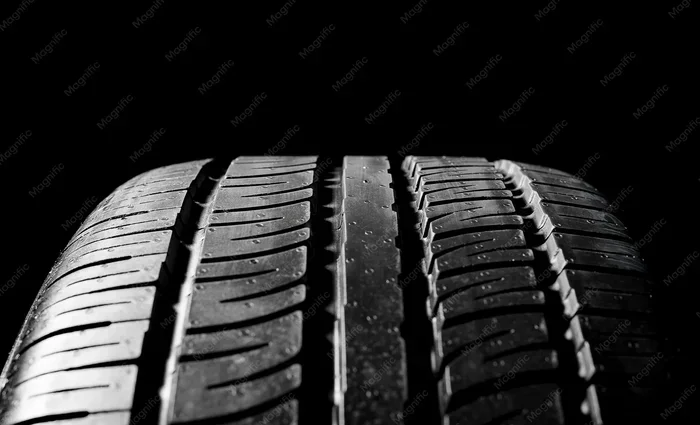
Your tire tread is what grips the road and keeps you safe. Over time, tread wears down unevenly, especially if your tire alignment is off or your tires aren’t rotated regularly. Bald spots or cupped tread patterns create irregular contact with the road surface, leading to rhythmic thumping.
Grab a penny and insert it into the tread groove with Lincoln’s head upside down. If you can see the top of his head, your tread is too worn. Uneven wear often means you need a tire rotation or an alignment job — or possibly a new tire altogether.
3. Damaged or Cracked Tire Sidewall
The sidewall is the side of your tire that you can see when you look at it. It takes a lot of abuse from potholes, curbs, and road debris. Over time, small cracks or bulges can form. These weak spots cause the tire to flex unevenly as it rolls, producing a sound that closely mimics a flat tire.
A bulging sidewall is especially dangerous. It means the internal structure of the tire is compromised. If you spot a bulge or deep crack, get the tire replaced immediately. Don’t keep driving on it.
4. Faulty Tire Valve Stem
The valve stem is the small tube on your wheel that you unscrew to add air. It seems tiny, but it plays a big role. A cracked or loose valve stem lets air escape slowly. You might not see the leak, but over hours or days, your tire loses enough air to start making noise.
Check your valve stems for cracks, dry rot, or loose caps. A valve stem replacement is cheap and easy. Many tire shops will do it for free or for a small fee. This simple fix can eliminate that flat-tire sound for good.
5. Worn Wheel Bearings
Wheel bearings let your wheels spin smoothly. When they wear out, they create a humming or growling noise that changes with speed. Many drivers mistake this for a flat tire sound because it comes from the wheel area and gets louder as you drive faster.
To test for a bad wheel bearing, drive slowly and gently turn the steering wheel left and right. If the noise changes pitch or volume with the turn, a wheel bearing is likely the issue. This is a repair you should not ignore. A failed wheel bearing can cause the wheel to seize up, which is extremely dangerous.
For more on protecting your tires and wheels from damage, check out our Tire Armor products that help shield your tires from road hazards.
6. Debris or Foreign Object in the Tire
A small nail, screw, or piece of glass stuck in your tire tread can cause a slow leak. The tire might not go completely flat, but enough air escapes to change how the tire rolls. The noise can sound exactly like a flat tire, especially at higher speeds.
Run your hand carefully along the tread (with the tire off the car if possible). Feel for any sharp objects. If you find one, don’t pull it out yet — you want the tire to hold air long enough to get to a shop for proper repair.
7. Suspension or Alignment Problems
Your car’s suspension system absorbs bumps and keeps your tires on the road. When suspension parts wear out or your alignment is off, tires don’t sit at the right angle. This causes uneven pressure on certain parts of the tire, leading to abnormal wear patterns and noise.
Signs of suspension trouble include: pulling to one side, a bumpy ride, or the car leaning to one side when parked. If you notice any of these along with tire noise, get a full suspension and alignment check. A proper alignment can extend the life of your tires and eliminate unwanted sounds.
How to Diagnose the Cause of Tire Thumping
Figuring out why your tire sounds flat takes a bit of detective work. Here’s a step-by-step approach you can follow at home.
Step 1: Check Tire Pressure
Start with the easiest check. Use a tire gauge on all four tires. Compare each reading to the manufacturer’s recommended PSI. Inflate any tire that’s low and see if the noise goes away.
Step 2: Inspect the Tread
Look closely at the tread surface. Check for uneven wear, bald spots, or objects stuck in the rubber. Use the penny test or a tread depth gauge for accuracy.
Step 3: Examine the Sidewalls
Run your eyes along both sidewalls. Look for cracks, bulges, or cuts. Even a small crack can cause enough flex to create noise.
Step 4: Listen Carefully While Driving
Drive at a steady speed on a quiet road. Turn the steering wheel gently left and right. Pay attention to whether the noise changes. A noise that changes with steering often points to wheel bearings or suspension issues.
Step 5: Get a Professional Inspection
If you can’t find the cause, it’s time to visit a mechanic. A professional can lift the car, spin the wheels, and spot issues you might miss. Many shops offer free tire inspections.
For a wide range of tire-related products and accessories, explore what’s available in our Things Like That category for helpful extras.
Common Mistakes People Make When They Hear Tire Noise
When that flat-tire sound hits, most drivers react the same way. But some common reactions can actually make things worse.
- Ignoring the noise. Even if the tire isn’t flat, the sound means something is wrong. Ignoring it can lead to bigger, more expensive repairs.
- Over-inflating the tire. Some people think more air will fix the problem. Too much air actually makes the ride harsher and can cause uneven wear.
- Driving on a damaged tire. If you see a bulge or deep crack, keep driving at your own risk. A blowout can happen at any speed.
- Skipping tire rotations. Regular rotations prevent uneven wear and extend tire life. Skipping them leads to premature noise and replacements.
- Not checking the spare tire. Sometimes the noise isn’t from your main tires at all. A loose spare or a spare with low pressure can cause sounds too.
Quick Tips to Prevent Tire Noise and Flat-Like Sounds
Prevention is always better than repair. Here are simple habits that keep your tires quiet and healthy:
- Check tire pressure monthly. Set a reminder on your phone. Air leaks happen naturally, and catching them early prevents noise.
- Rotate your tires every 5,000-7,000 miles. This keeps wear even across all four tires.
- Get an alignment check twice a year. Hitting a pothole or curb can throw off your alignment quickly.
- Inspect your tires visually every week. A quick look during your gas station stop can catch problems early.
- Use tire sealant or armor coatings. Products like those in our Tire Armor lineup help protect against slow leaks and road damage.
- Replace tires when tread is too low. Don’t wait for a blowout. Worn tires are noisy tires, and they’re unsafe.
- Keep your spare tire in good shape. A flat spare won’t help you if you get a flat on the road.
When Should You Replace Your Tire Instead of Repairing It?
Not every tire problem can be fixed. Here’s how to know when repair isn’t enough and it’s time for a new tire:
- The tread is worn below 2/32 of an inch (the penny test shows Lincoln’s head).
- There are sidewall bulges or cracks.
- The tire has been repaired more than twice.
- The tire is more than 6 years old, even if the tread looks fine.
- The tire was driven on while completely flat, which damages the internal structure.
- You notice persistent vibration or noise even after repairs.
Replacing a tire can feel expensive, but driving on a compromised tire is a safety risk. A new tire gives you better grip, a quieter ride, and peace of mind on the road.
Expert Insights on Tire Noise
We spoke with several certified auto technicians about the most common causes of flat-tire-like noise. Here’s what the pros had to say:
“The number one thing I tell customers is to check their tire pressure first,” says Mike R., a master technician with over 20 years of experience. “Nine times out of ten, it’s just low air. People forget that tires lose about 1 PSI per month naturally.”
“The second most common cause is wheel bearings,” adds Sarah T., an ASE-certified mechanic. “People don’t realize bearings can make that thumping sound for months before they actually fail. The key sign is the noise changes when you turn.”
“Don’t underestimate the value of regular tire inspections,” says James L., a tire specialist. “A five-minute look at your tires once a week can save you from a roadside blowout and a costly repair bill.”
Final Thoughts: Don’t Ignore That Thumping Sound
Your car talks to you. That thumping noise is its way of telling you something needs attention. Whether it’s low tire pressure, a worn wheel bearing, or a cracked sidewall, the cause is almost always fixable — especially when you catch it early.
The next time your tire sounds like a flat but isn’t flat, don’t panic. Follow the steps in this guide. Check the pressure, inspect the tread, and listen for clues. If you can’t find the cause, a quick trip to the mechanic will sort it out.
Taking care of your tires isn’t just about quiet rides. It’s about safety, fuel efficiency, and saving money on replacements down the road. Keep your tires healthy, and they’ll keep you rolling smoothly for miles to come.
Frequently Asked Questions
Can low tire pressure cause a flat-tire sound even if the tire isn’t visibly flat?
Yes, absolutely. Even a small drop in tire pressure changes how the tire contacts the road. This altered contact patch creates a thumping sound that sounds exactly like a flat tire, even when the tire still has plenty of air in it.
How do I know if the noise is from a flat tire or a bad wheel bearing?
A flat tire sound stays consistent at all speeds. A wheel bearing noise usually changes with speed and may change pitch when you turn the steering wheel. If the noise gets louder or quieter when you turn, it’s likely a bearing issue.
Is it safe to drive with a tire that sounds flat but isn’t?
It depends on the cause. If it’s just low pressure, topping off the air is safe for a short drive to a tire shop. But if the noise comes from a damaged sidewall or a worn bearing, you should avoid driving and get it checked right away.
How often should I check my tire pressure?
You should check your tire pressure at least once a month. Tires naturally lose about 1 PSI per month. Temperature changes in the seasons can also affect pressure, so it’s smart to check more often during weather shifts.
Can tire armor or protective coatings help reduce tire noise?
Yes, tire armor and protective coatings can help. These products create a barrier against road debris and slow leaks, which are common causes of flat-tire-like sounds. They also help maintain even tread wear, reducing thumping over time.
What’s the average cost to fix a tire that sounds flat but isn’t?
Costs vary widely depending on the cause. A tire pressure check and air fill costs little to nothing. A valve stem replacement runs $10-$30. Wheel bearing replacement typically costs $150-$400 per wheel. Tire replacements range from $100-$300 per tire, depending on the size and type.
=== CONCLUSION ===
Hearing a flat tire sound when your tire is fine is confusing, but it’s also very common. The causes range from simple low pressure to more serious issues like worn bearings or damaged sidewalls. The good news is that most of these problems are easy to diagnose and affordable to fix.
Start with the basics — check your tire pressure, inspect the tread, and look at the sidewalls. If those checks don’t reveal the problem, dig deeper into wheel bearings, alignment, and suspension. And when all else fails, a trusted mechanic can pinpoint the issue quickly.
Remember, that thumping sound is your car trying to tell you something. Listen to it. Take action early, and you’ll save yourself from bigger headaches — and bigger bills — down the road. Keep your tires in great shape, and you’ll enjoy a quieter, safer, and smoother ride every time you hit the road.