New Car Inspection Found Oil Stains on Brake Calipers
Oil stains on brake calipers on a new car can signal serious problems like brake caliper leaks or manufacturing defects. Finding oil on brake calipers during a new car inspection should never be ignored, as it may compromise your safety. This guide explains what causes these stains, how to inspect them, and what steps to take to protect your investment.
You just picked up your brand-new car. You are excited. You are ready to hit the road. But then you notice something unsettling. During the new car inspection, you found oil stains on the two front brake calipers. Your heart drops. Is this normal? Is it dangerous? Should you even drive this car?
Here is the truth. Oil stains on brake calipers on a new vehicle are not something you should brush off. They can point to a brake caliper leak, a faulty caliper piston seal, or even a manufacturing defect. The good news? You are not helpless. There are clear steps you can take to protect yourself, your car, and your wallet.
This article breaks down everything you need to know. From understanding what causes these stains to knowing your rights as a new car owner, we have you covered. Let us dive in.
Key Takeaways
- Oil stains on brake calipers often indicate a brake caliper leak or seal failure that needs immediate attention.
- New cars can develop these stains due to manufacturing defects, shipping damage, or dealer inspection oversights.
- A thorough brake system inspection should be part of every new car purchase checklist.
- Ignoring oil on brake calipers can lead to unsafe braking and costly repairs down the road.
- Your warranty or lemon law rights may cover the cost of fixing brake caliper damage on a new vehicle.
- Always document any brake caliper leak findings before driving the car off the lot.
📑 Table of Contents
What Oil Stains on Brake Calipers Actually Mean
Understanding Brake Caliper Function
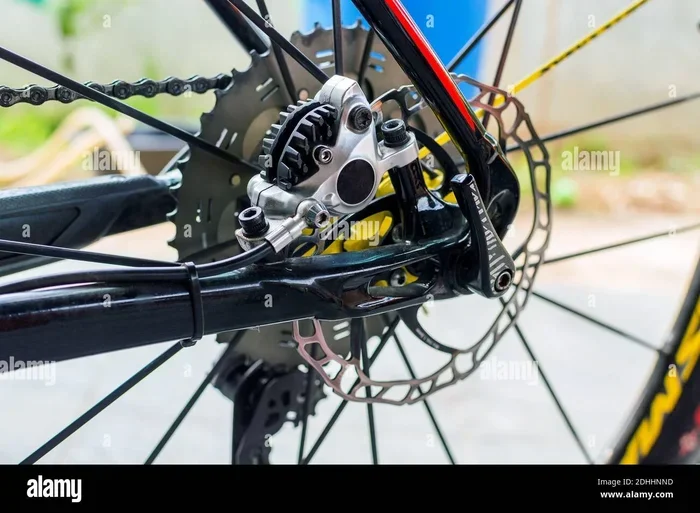
Your brake calipers are a key part of your car’s braking system. They squeeze the brake pads against the brake rotors to slow you down. Inside each caliper sits a piston. That piston is pushed by brake fluid, which is a hydraulic fluid. When you press the brake pedal, fluid pressure moves the piston. The piston then pushes the brake pad against the rotor.
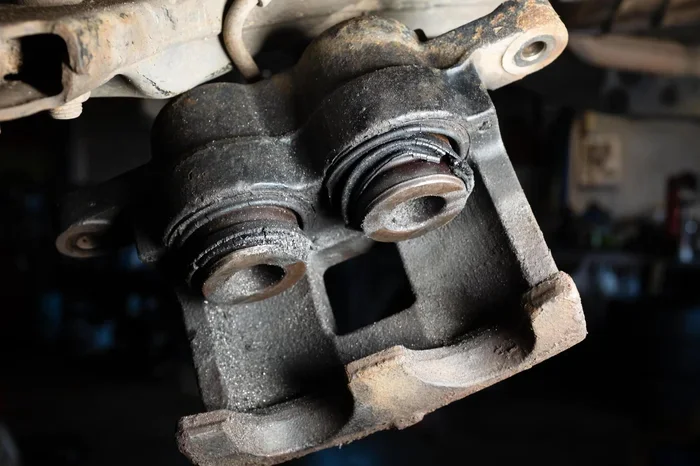
For this system to work safely, everything must stay sealed. The caliper piston seal and the caliper boot keep fluid and debris out. When those seals fail, brake fluid can leak out. That is when you see oil stains on the brake calipers.
Common Causes of Oil Stains on Brake Calipers
Not every stain means the same thing. Here are the most common reasons you might spot oil on brake calipers:
- Brake caliper seal failure – The piston seal wears out or cracks, letting fluid seep out.
- Damaged caliper boot – The rubber boot that protects the piston gets torn or missing.
- Manufacturing defect – The caliper was not assembled correctly at the factory.
- Shipping damage – The caliper was bumped or stressed during transport.
- Dealer handling issues – The car was not stored or moved properly at the dealership.
- Brake fluid contamination – Dirt or moisture got into the system and degraded the seals.
Each of these causes requires a different fix. That is why a proper brake system inspection matters so much.
Why New Cars Get Oil Stains on Brake Calipers
Manufacturing Defects
You might think a brand-new car is perfect. But that is not always true. Assembly line mistakes happen. A caliper piston seal might not be seated correctly. The brake caliper assembly might have a tiny crack that was missed during quality control. These are new car defects that can show up as oil stains on brake calipers before you even drive the car home.
Manufacturers recall thousands of vehicles every year for brake system issues. Some defects are minor. Others are serious safety risks. The key is catching them early.
Shipping and Handling Damage
Your new car travels a long way before reaching you. It gets loaded onto trucks, ships, and trains. During this journey, the front brake calipers can be exposed to vibrations, bumps, and pressure. A loose caliper bracket or a minor impact during shipping can damage the caliper boot or piston seal. This leads to brake fluid leak and visible oil stains.
Dealer Inspection Oversights
Ideally, the dealership should inspect every new car before handing it to you. But in reality, dealer inspection oversights happen all the time. The car might sit on the lot for weeks. During that time, a small leak can develop or worsen. Or the previous inspector simply missed the stains. Either way, you deserve a car that is truly ready to drive.
How to Inspect Brake Calipers on a New Car
Step-by-Step Visual Inspection
You do not need to be a mechanic to check your brake calipers. Here is a simple process you can follow:
- Lift the front of the car using a jack or drive onto a ramp.
- Remove the front wheels so you can see the calipers clearly.
- Look at the caliper body for any wet spots, drips, or shiny oil residue.
- Check the piston area where the caliper meets the brake pad. Feel for any slick fluid.
- Inspect the caliper boot for cracks, tears, or missing rubber pieces.
- Look at the brake rotor for any oily film or residue.
If you see any of these signs, stop and get a professional opinion. Do not drive the car until the issue is resolved.
What to Look for During Inspection
When checking for oil stains on brake calipers, pay attention to these details:
- Color of the stain – Brake fluid is usually clear or light brown. Engine oil is darker and slicker.
- Location of the stain – Stains around the piston area point to a seal issue. Stains on the outside may indicate a boot problem.
- Amount of fluid – A few drops are a warning sign. A puddle means a serious leak.
- Brake pedal feel – A soft or spongy pedal can mean fluid is leaking and air has entered the system.
What to Do When You Find Oil Stains
Document Everything
The moment you spot oil stains on brake calipers, start documenting. Take clear photos from multiple angles. Note the date and time. Write down exactly what you see. Keep your inspection notes and photos in a safe place. This evidence will be invaluable if you need to file a claim or dispute with the dealer or manufacturer.
Contact the Dealer or Manufacturer
Do not wait. Contact the dealership right away. Explain what you found during your new car inspection. Ask them to pull the car from the lot and investigate the brake caliper leak. If the dealer is unhelpful, reach out to the manufacturer’s customer service line. Most new car warranty policies cover defects that appear shortly after purchase.
Warranty and Lemon Law Options
Depending on where you live, you may have strong legal protections. Many states have lemon laws that cover new vehicles with serious defects. A brake caliper defect could qualify, especially if it affects safety. Here is a quick comparison:
| Option | What It Covers | When to Use It |
|---|---|---|
| New Car Warranty | Repairs or replacement of defective parts like brake calipers | Within the warranty period, usually 3 years or 36,000 miles |
| Lemon Law | Full refund or replacement vehicle for persistent safety defects | When the defect cannot be fixed after reasonable attempts |
| Dealer Resolution | Free inspection, repair, or replacement of the caliper unit | Immediately after purchase, before driving the car |
Always read your warranty paperwork carefully. Understand what is covered and what is not. If you are unsure, consult a consumer protection attorney. Many offer free initial consultations.
Can Oil Stains on Brake Calipers Affect Brake Performance?
Safety Risks of Ignoring Brake Caliper Leaks
The short answer is yes. Ignoring oil stains on brake calipers is dangerous. Brake fluid is what makes your brakes work. If fluid is leaking, your braking power drops. In a worst-case scenario, you could lose braking ability entirely. This is not something you want to risk, especially in a new car you are still getting used to.
Even a small brake fluid leak can cause the following problems:
- Soft or spongy brake pedal
- Increased stopping distance
- Uneven braking pulling to one side
- Complete brake failure in severe cases
Long-Term Damage to Brake Components
Even if the leak seems small now, it will get worse over time. Brake fluid is corrosive. When it leaks onto brake rotors, brake pads, and caliper hardware, it causes damage. Rust forms. Components degrade. What starts as a minor stain can turn into a full brake caliper replacement job. And that is an expensive repair you should not have to pay for on a brand-new car.
Quick Tips and Common Mistakes
Quick Tips for New Car Buyers
- Always request a pre-delivery brake system inspection before taking delivery.
- Bring a trusted mechanic with you to the dealership for a second opinion.
- Take photos of every angle of the car, including the brake calipers, before driving off.
- Keep all inspection reports and dealer communications in writing.
- Do not let the dealer rush you. A new car purchase is a big decision.
Common Mistakes to Avoid
- Ignoring small stains – Even a tiny dot of oil can signal a growing leak.
- Assuming the dealer caught everything – Dealership inspections are not always thorough.
- Driving the car anyway – If you suspect a brake caliper leak, get it fixed first.
- Skipping the warranty paperwork – Read every page and understand your coverage.
- Waiting too long to act – Time works against you with brake fluid leaks. Address it immediately.
Finding oil stains on the two front brake calipers of a new car is unsettling. But it is also a manageable situation if you act quickly and wisely. The most important thing is to not ignore it. Your safety depends on a properly functioning braking system.
Conclusion
Discovering oil stains on brake calipers during a new car inspection is a moment that demands attention. It is not something to shrug off or hope goes away on its own. Whether the cause is a manufacturing defect, shipping damage, or a dealer inspection oversight, the solution starts with you. Document the stains. Get a professional assessment. Contact the dealer or manufacturer. Know your warranty and lemon law rights.
A new car should bring joy, not worry. By staying informed and taking action, you can protect your investment and your safety. Oil stains on brake calipers are a clear signal. Listen to that signal. Your car and your family will thank you.
Frequently Asked Questions
Can I drive my new car if I find oil stains on the brake calipers?
It is not recommended. Even a small brake fluid leak can reduce braking power over time. Have the car inspected by a mechanic before driving it. Safety should always come first.
Are oil stains on brake calipers covered under a new car warranty?
Most likely, yes. Brake caliper defects are generally covered under a new car warranty. However, you should check your specific warranty terms and act quickly to document the issue.
How much does it cost to replace a brake caliper on a new car?
A single brake caliper replacement typically costs between $300 and $800, including parts and labor. If the car is under warranty, this cost should be covered by the manufacturer.
What is the difference between brake fluid and engine oil on brake calipers?
Brake fluid is usually clear or light yellow and feels slippery. Engine oil is darker and has a distinct oily smell. If you are unsure, have a mechanic identify the fluid type during inspection.
Can shipping damage cause oil stains on new car brake calipers?
Yes. During transport, vibrations and impacts can damage the caliper boot or piston seal. This can cause a brake caliper leak that shows up as oil stains when you inspect the car.
What should I do if the dealer refuses to address the oil stains?
Document everything, including the stains and your conversations with the dealer. Contact the manufacturer directly and consider consulting a consumer protection attorney if needed. Your lemon law rights may apply.