what cause polo vivo tiptronic to mix engine oil like jam
When a Polo Vivo Tiptronic mixes engine oil like jam, it usually signals a serious problem with the transmission or engine system. This issue can stem from a failing oil cooler, worn seals, or a damaged valve body that allows fluids to cross-contaminate. Understanding the root cause early helps you avoid costly repairs and keeps your car running smoothly.
If you own a Polo Vivo Tiptronic, you know how smooth and responsive the gear shifts feel. But what happens when that smooth ride turns into a nightmare? One moment you are driving fine, and the next, you notice something is off. Your engine oil starts looking thick, like jam. This is not normal, and it is not something you should ignore.
The Polo Vivo Tiptronic is a popular automatic transmission choice among South African drivers. It offers a great balance of fuel efficiency and driving comfort. However, like any mechanical system, it can develop problems over time. One of the most alarming issues is when engine oil and transmission fluid start mixing together. This creates a sludge-like substance that can damage your engine and gearbox. In this article, we will explore what causes Polo Vivo Tiptronic to mix engine oil like jam and how you can fix it.
Many car owners do not realize the connection between the engine lubrication system and the transmission system. These two systems are designed to keep their fluids separate. When that separation breaks down, the results can be messy and expensive. Let us dive into the details and help you understand this problem inside and out.
Key Takeaways
- Cross-contamination: Engine oil mixing with transmission fluid is a common but serious issue in Polo Vivo Tiptronic models.
- Oil cooler failure: A damaged oil cooler is one of the top reasons fluids get mixed together.
- Worn seals and gaskets: Over time, seals wear out and allow oil to leak into the wrong places.
- Valve body damage: A faulty valve body can disrupt hydraulic pressure and cause fluid mixing.
- Regular maintenance: Sticking to oil change intervals and inspections prevents most mixing problems.
- Early detection matters: Catching symptoms early saves you from expensive repairs down the road.
📑 Table of Contents
- Understanding the Polo Vivo Tiptronic Transmission System
- What Causes Polo Vivo Tiptronic to Mix Engine Oil Like Jam
- Symptoms That Your Fluids Are Mixing
- How to Diagnose the Problem
- Fixing the Fluid Mixing Problem
- Prevention Tips to Avoid Fluid Mixing
- Expert Insights on Tiptronic Maintenance
- When to Seek Professional Help
- Conclusion
Understanding the Polo Vivo Tiptronic Transmission System
The Tiptronic system in the Polo Vivo is a type of automatic transmission made by Volkswagen. It uses a combination of hydraulic pressure, gear sets, and fluid to shift gears smoothly. The transmission relies on clean, uncontaminated fluid to work properly. When that fluid gets mixed with engine oil, the whole system suffers.
How the Transmission Normally Works
In a healthy Tiptronic system, transmission fluid serves several important jobs. It lubricates the gears, cools the system, and creates hydraulic pressure for smooth shifts. The engine oil, on the other hand, lubricates the engine internals. These two fluids should never meet. Each has its own reservoir, its own filter, and its own path through the vehicle.
Think of it like two separate water systems in your house. You do not want your drinking water mixing with your sewage water. The same principle applies here. When the systems stay separate, everything works. When they do not, you get that thick, jam-like substance that causes all kinds of problems.
What Causes Polo Vivo Tiptronic to Mix Engine Oil Like Jam
This is the big question, and the answer is not always simple. Several components can fail and lead to cross-contamination between engine oil and transmission fluid. Let us look at the most common causes in detail.
1. Faulty Oil Cooler
The oil cooler is a small heat exchanger that helps regulate engine oil temperature. In many Volkswagen models, including the Polo Vivo, the oil cooler is connected to the transmission system. This is normal and helps keep both fluids at the right temperature.
However, if the oil cooler develops a leak or a internal crack, the two fluids can mix. Transmission fluid can leak into the engine oil circuit, and engine oil can leak into the transmission. This creates the thick, jam-like substance you may notice on your dipstick or under your car.
For more information on related auto parts and maintenance items, check out Things Like That for helpful resources and product guides.
2. Worn Seals and Gaskets
Your transmission and engine have many seals and gaskets. These rubber components create tight barriers between different fluid systems. Over time, heat and pressure cause these seals to harden, crack, and wear out. When a seal fails, fluids can seep into areas they should not be.
The front and rear seals of the transmission are especially vulnerable. A worn front seal can allow transmission fluid to leak into the engine. A worn rear seal can cause fluid to leak externally. Either way, the result is the same: contaminated fluids and poor performance.
3. Damaged Valve Body
The valve body is the brain of your automatic transmission. It controls the flow of transmission fluid through various channels to engage the right gears. When the valve body gets damaged or clogged, it can cause irregular fluid movement.
In some cases, a damaged valve body allows engine oil to enter the transmission circuit. This disrupts the hydraulic pressure needed for smooth gear changes. You may notice rough shifting, slipping gears, or a complete loss of gear engagement. The sludge that forms from mixed fluids can also clog the small passages inside the valve body, making the problem even worse.
4. Cracked Cylinder Head or Engine Block
In rare but serious cases, a crack in the cylinder head or engine block can allow fluids to mix. This is more common in older vehicles or those that have experienced overheating. A crack creates a pathway between the engine oil gallery and the transmission input shaft seal area.
If you suspect a crack, it is important to get a professional inspection right away. This type of damage can lead to severe engine and transmission failure if left untreated.
5. Failed Torque Converter Seal
The torque converter connects the engine to the transmission. It uses transmission fluid to transfer power smoothly. The seal around the torque converter must remain intact to prevent fluid mixing.
When this seal fails, engine oil can enter the torque converter and mix with transmission fluid. The result is a thick, dark substance that looks like jam. This contaminated fluid cannot properly lubricate or cool the transmission, leading to accelerated wear and potential failure.
Symptoms That Your Fluids Are Mixing
How do you know if your engine oil and transmission fluid are mixing? There are several warning signs that every Polo Vivo owner should watch for. Catching these symptoms early can save you from major repairs.
- Dark, thick oil on the dipstick: If your engine oil looks darker than usual and has a sludgy texture, transmission fluid may have mixed in.
- Burnt smell: A burning odor from the engine or transmission area often indicates overheated, contaminated fluid.
- Rough or delayed gear shifts: Mixed fluids cannot maintain proper hydraulic pressure, leading to sluggish or harsh gear changes.
- Transmission slipping: Gears may slip in and out unexpectedly, a clear sign of fluid contamination.
- Fluid leaks under the car: Check for unusual fluid spots. Transmission fluid is usually red or pink, while engine oil is brown or black.
- Overheating: Contaminated fluids lose their ability to cool the system, which can cause overheating.
If you notice any of these symptoms, do not wait. The longer you drive with mixed fluids, the more damage occurs. Visit a trusted mechanic as soon as possible. For more car care tips and product suggestions, explore Things Like That for helpful guides.
How to Diagnose the Problem
Diagnosing the cause of fluid mixing in a Polo Vivo Tiptronic requires a systematic approach. A qualified mechanic will typically follow these steps.
- Visual inspection: The mechanic checks the engine oil and transmission fluid for discoloration and contamination.
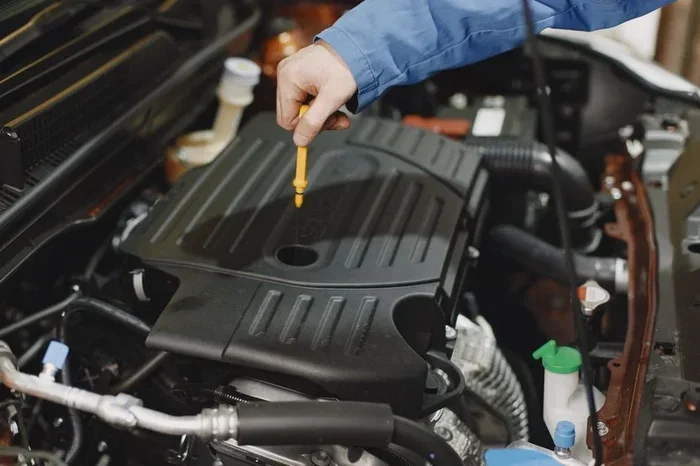
- Dipstick check: The engine oil dipstick is pulled and examined. If the oil looks milky or has a reddish tint, transmission fluid has likely entered the engine.
- Fluid pressure test: A pressure gauge is used to test the hydraulic pressure in the transmission system. Low pressure can indicate a leak or cross-contamination.
- Oil cooler inspection: The oil cooler lines are checked for signs of fluid transfer. A backflush test can reveal internal leaks.
- Seal and gasket check: The mechanic inspects all seals for wear, cracks, or leaks.
- Scan for error codes: A diagnostic scanner reads any fault codes stored in the transmission control module.
Each of these steps helps narrow down the root cause. The goal is to find the failure point before it causes more damage. Early diagnosis is always cheaper than major repairs.
Fixing the Fluid Mixing Problem
Once the cause is identified, the fix depends on the specific component that has failed. Here is a breakdown of common repairs and their costs.
| Repair | What It Involves | Estimated Cost (ZAR) |
|---|---|---|
| Oil cooler replacement | Remove old cooler, install new one, flush both fluid systems | R2,500 – R5,000 |
| Seal or gasket replacement | Remove transmission, replace worn seals, refill fluids | R3,000 – R7,000 |
| Valve body repair or replacement | Remove valve body, clean or replace, rebuild transmission | R5,000 – R12,000 |
| Torque converter seal replacement | Remove transmission, replace seal, flush and refill fluids | R4,000 – R8,000 |
| Engine block or head crack repair | Engine removal, crack repair or replacement, full rebuild | R8,000 – R20,000+ |
Costs can vary depending on your location, the mechanic’s expertise, and the extent of the damage. Always get a detailed quote before approving any work. And remember, the cheapest option is not always the best option when it comes to transmission repairs.
Prevention Tips to Avoid Fluid Mixing
Prevention is always better than cure. Here are some practical steps you can take to protect your Polo Vivo Tiptronic from fluid mixing issues.
- Stick to regular oil changes: Follow the manufacturer’s recommended oil change interval. Fresh oil maintains its protective properties longer.
- Check fluid levels regularly: Use the dipstick to monitor both engine oil and transmission fluid levels. Any sudden drop could indicate a leak.
- Inspect the oil cooler: Have the oil cooler inspected during every service. Look for leaks, corrosion, or damage to the lines.
- Use the correct fluids: Always use the recommended transmission fluid and engine oil for your Polo Vivo model. Mixing different fluid types can cause compatibility issues.
- Address leaks immediately: Do not ignore any fluid leaks, no matter how small. Even a small leak can lead to contamination over time.
- Avoid overheating: Keep an eye on your temperature gauge. Overheating accelerates seal wear and fluid breakdown.
For more useful car care products and accessories, visit Things Like That at AutoSnaP Parts for quality items that help keep your car in top shape.
Expert Insights on Tiptronic Maintenance
Experienced Volkswagen technicians agree that the Tiptronic transmission is reliable when properly maintained. The key is staying proactive. Many owners only think about their transmission when something goes wrong. But regular attention to fluid quality, levels, and system integrity makes a huge difference.
One common mistake is ignoring the oil cooler lines during routine services. These small rubber hoses can deteriorate over time without visible external leaks. An internal leak in the oil cooler is invisible until the fluids mix. This is why some mechanics recommend replacing the oil cooler lines as part of scheduled maintenance, especially on higher-mileage vehicles.
Another expert tip is to never mix transmission fluids from different manufacturers. Each fluid has a specific formulation designed for a particular transmission type. Using the wrong fluid can degrade seals, change viscosity, and create the exact sludge problem we are discussing here. Always check your owner’s manual for the correct fluid specification.
When to Seek Professional Help
While some basic checks like fluid level inspections can be done at home, diagnosing and fixing fluid mixing requires professional expertise. The transmission system is complex, and incorrect repairs can cause even more damage.
Seek professional help if you notice any of the following:
- Your engine oil looks milky or has a reddish tint.
- Your transmission fluid smells burnt or looks dark brown.
- You experience gear slipping or rough shifting.
- You see fluid leaks under your car.
- Your temperature gauge shows overheating.
A qualified Volkswagen specialist will have the right tools, knowledge, and experience to diagnose and fix the problem correctly. Do not try to save money by ignoring the issue. Fluid mixing gets worse over time and can lead to complete transmission failure.
Conclusion
So, what causes Polo Vivo Tiptronic to mix engine oil like jam? The answer usually comes down to a few key components: the oil cooler, seals, valve body, torque converter, or even a cracked engine part. Each of these failures allows engine oil and transmission fluid to cross into each other’s systems, creating a thick, damaging sludge.
The good news is that early detection and regular maintenance can prevent most of these problems. By staying attentive to fluid levels, quality, and your vehicle’s behavior, you can catch issues before they become expensive repairs. If you suspect fluid mixing, do not delay. Get your Polo Vivo inspected by a professional as soon as possible.
Your Tiptronic transmission is a precision system that deserves clean, uncontaminated fluid. Treat it well, and it will reward you with smooth, reliable performance for years to come.
Frequently Asked Questions
Can I still drive my Polo Vivo if the fluids are mixing?
It is not recommended. Driving with mixed fluids can cause further damage to both the engine and the transmission. The contaminated fluid loses its lubricating properties, which increases wear on internal components. Have your car towed to a mechanic if you suspect fluid mixing.
How much does it cost to fix fluid mixing in a Polo Vivo Tiptronic?
The cost depends on the root cause. A simple oil cooler replacement may cost between R2,500 and R5,000. More complex repairs like a valve body replacement or engine crack repair can range from R5,000 to R20,000 or more. Always get a detailed quote from a trusted mechanic.
How often should I check my transmission fluid?
You should check your transmission fluid at least once a month. Also check it before any long trips. Use the dipstick to inspect the fluid color and level. Healthy transmission fluid is reddish and clear, not dark brown or milky.
Can a dirty oil filter cause fluid mixing?
A dirty oil filter can restrict oil flow and cause pressure issues, but it does not directly cause fluid mixing. However, poor oil circulation can accelerate wear on seals and gaskets, which may indirectly lead to contamination over time.
Is fluid mixing covered by warranty?
It depends on your warranty terms and the cause of the problem. Manufacturing defects, such as a faulty oil cooler, may be covered. However, damage caused by lack of maintenance or neglect usually is not. Check your warranty documentation or speak to your dealer for clarification.
What fluid does the Polo Vivo Tiptronic use?
The Polo Vivo Tiptronic requires Volkswagen-specification automatic transmission fluid, typically G 055 025 A2 or similar. Always refer to your owner’s manual for the exact fluid specification. Using the wrong fluid can cause compatibility issues and damage the transmission.