what does it mean if you have no oil in your car engine
Running a car engine with no oil means metal parts grind together with zero lubrication, causing severe damage in minutes. Low or missing oil leads to overheating, engine knocking, and even complete engine seizure. This guide explains what happens, how to spot the warning signs, and how to avoid a catastrophic engine breakdown that could cost thousands in repairs.
Have you ever popped the hood of your car and realized there is no oil on the dipstick? That sinking feeling is something every driver dreads. What does it mean if you have no oil in your car engine? The short answer is simple and scary — it means your engine is in serious danger.
Engine oil is the lifeblood of your vehicle. It keeps all the moving parts sliding smoothly instead of grinding against each other. When oil levels drop to zero, metal meets metal. Friction builds fast. Heat spikes. And within minutes, your engine can suffer damage that no mechanic can fully undo.
In this article, we will walk you through exactly what happens when your car has no oil. You will learn the warning signs, the real risks, and the steps you should take right now if you find yourself in this situation. Understanding low engine oil can save you from a massive repair bill — or even a totaled car.
Key Takeaways
- No oil destroys your engine fast: Without lubrication, metal parts grind and seize within minutes.
- Warning signs are easy to spot: Oil pressure light, strange noises, and overheating are red flags you should never ignore.
- Regular oil changes save money: Staying on top of your oil change schedule prevents costly repairs.
- Check your oil level often: A simple dipstick test takes 30 seconds and can save your engine.
- Synthetic oil offers better protection: It lasts longer and performs well under extreme temperatures.
- Act immediately if oil is low: Driving even a short distance without oil can cause permanent damage.
📑 Table of Contents
- What Happens When Your Car Has No Oil?
- Warning Signs That Your Oil Level Is Too Low
- Common Causes of Low or Missing Oil
- How to Check Your Oil Level
- What To Do If You Have No Oil
- Preventing Oil-Related Engine Damage
- How Much Does Engine Damage From No Oil Cost?
- Expert Insights
- Key Takeaways
- Conclusion
What Happens When Your Car Has No Oil?
To understand the problem, you need to know how your engine works. Your car engine has hundreds of moving parts. Pistons move up and down. Crankshafts spin rapidly. Valves open and close hundreds of times per minute. All of these parts need proper lubrication to function without tearing each other apart.
Engine oil creates a thin film between metal surfaces. This film reduces friction and carries heat away from hot spots. When oil is present and clean, your engine runs cool and smooth. When oil is absent, everything falls apart fast.
Metal-on-Metal Contact
Without oil, there is nothing between moving metal parts. They start grinding directly against each other. This creates extreme heat and wear. Within just a few minutes of running a dry engine, you can cause damage that requires a full engine rebuild or replacement.
Overheating
Oil helps regulate engine temperature. It pulls heat away from critical components like the pistons and cylinder walls. When there is no oil, heat builds up rapidly. Your engine can overheat within minutes, warping metal parts and cracking the engine block.
Engine Seizure
In the worst case, a completely dry engine will seize. This means the pistons weld themselves to the cylinder walls. A seized engine means your car stops dead. You will not be able to restart it. Repairing or replacing a seized engine is one of the most expensive things a car owner can face.
Warning Signs That Your Oil Level Is Too Low
The good news is that your car gives you plenty of warning before oil levels reach zero. The key is knowing what to look for and paying attention. Recognizing early signs of low oil can save you from a total engine failure.
Oil Pressure Warning Light
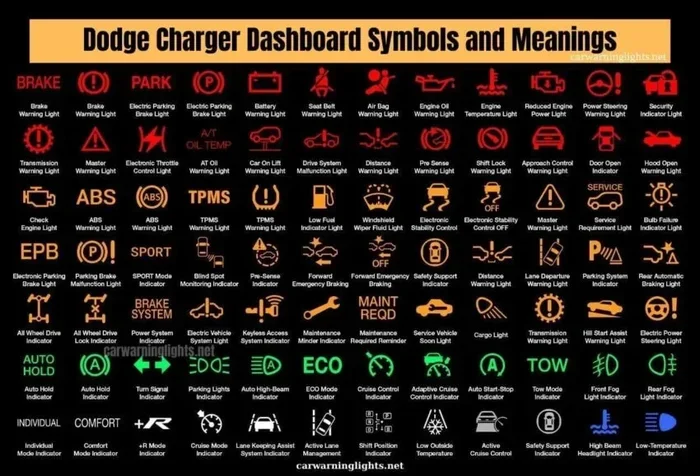
This is the most obvious sign. If you see a red or yellow light shaped like an oil can on your dashboard, pull over immediately. This light means your oil pressure has dropped to a dangerous level. Do not keep driving. Shut off the engine and check your oil level with the dipstick.
Strange Engine Noises
A healthy engine runs quietly. When oil levels drop, you may hear new sounds. Engine knocking is a common sign. You might also hear ticking or tapping noises, especially when you first start the car. These sounds mean metal parts are not getting the lubrication they need.
Overheating Gauge
If your temperature gauge starts climbing into the red zone, low oil could be the cause. The lubrication system helps manage heat. Without enough oil, the engine cannot cool itself properly. Watch your temperature gauge closely, especially on hot days or during heavy driving.
Blue Smoke from the Exhaust
Blue or gray smoke coming from your tailpipe can mean oil is burning inside the engine. This happens when oil leaks into the combustion chamber. It can also mean your oil level is critically low and internal parts are overheating and burning residual oil.
Burning Oil Smell
If you smell something burning while driving, pull over safely. A burning oil smell often means oil is leaking onto hot engine parts. It can also signal that your oil level is dangerously low and components are grinding without protection.
Common Causes of Low or Missing Oil
Oil does not just disappear on its own. Something caused the level to drop. Understanding the common causes helps you prevent the problem from happening again.
Oil Leaks
Leaks are the number one cause of low oil. Oil pans can get punctured by road debris. Gaskets and seals wear out over time. Oil drain plugs can loosen. Even a small leak can drain your oil slowly over weeks. Check under your car for fresh oil spots on the ground.
Burning Oil Internally
Some engines burn oil as part of normal wear. Worn piston rings or valve seals can let oil slip into the combustion chamber. If you need to add oil frequently, this could be the reason. Blue exhaust smoke and a burning smell are telltale signs of internal oil burning.
Skipping Oil Changes
Oil breaks down over time. It gets dirty and loses its lubricating properties. Old oil does not protect your engine the way fresh oil does. Skipping your oil change schedule leads to sludge buildup and reduced oil effectiveness. Eventually, the oil can become so degraded that it fails to lubricate properly.
Wrong Oil Type or Viscosity
Not all oil is the same. Oil viscosity matters a lot. Using the wrong grade of oil can cause it to burn off faster or fail to lubricate properly. Always use the oil type recommended in your owner’s manual. Synthetic oil and conventional oil have different performance characteristics.
Faulty Oil Pump or Oil Filter
The oil pump circulates oil through the engine. If the pump fails, oil does not reach the parts that need it — even if the oil level is fine. A clogged oil filter can also block oil flow. Regular maintenance helps catch these issues early.
How to Check Your Oil Level
Checking your oil is one of the easiest and most important things you can do as a car owner. It takes less than a minute and can save you thousands of dollars. Here is how to do it right.
- Park your car on a level surface and turn off the engine. Wait a few minutes for the oil to settle.
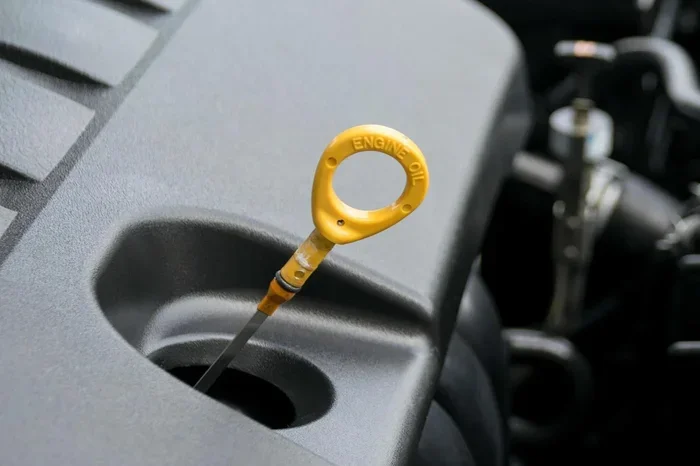
- Open the hood and locate the dipstick. It usually has a brightly colored handle.
- Pull the dipstick out and wipe it clean with a rag or paper towel.
- Insert the dipstick all the way back in, then pull it out again.
- Look at the oil level marks on the dipstick. The oil should fall between the minimum and maximum marks.
- Check the oil color. Fresh oil is amber or golden. Dark brown or black oil needs changing. Milky or frothy oil could mean a serious internal problem.
Make this a habit. Check your oil at least once a month. Low oil level detection is your first line of defense against engine damage.
What To Do If You Have No Oil
If you discover your car has zero oil, do not start the engine. Seriously — do not turn the key. Starting a dry engine causes immediate damage. Here is what you should do instead.
- Do not start the car. Every second the engine runs without oil causes more harm.
- Add oil immediately if you have it on hand. Use the type recommended for your vehicle. Fill it to the proper level on the dipstick.
- Check for leaks. Look under the car and around the engine for signs of oil dripping or pooling.
- Call a tow truck if needed. If you are stranded, do not try to drive to a mechanic. Have the car towed to avoid further damage.
- Visit a trusted mechanic. Even if you add oil, a mechanic should inspect the engine for any damage that may have already occurred.
Time is everything when it comes to oil. The faster you act, the better your chances of avoiding serious engine repair costs.
Preventing Oil-Related Engine Damage
The best way to deal with no oil is to never let it get to that point. Prevention is simple and costs very little compared to an engine replacement.
Follow the Oil Change Schedule
Stick to the oil change intervals recommended by your car manufacturer. Most modern cars need an oil change every 5,000 to 7,500 miles. Older vehicles may need changes more often. Check your owner’s manual for the exact oil change schedule for your model.
Use Quality Oil and Filters
Invest in good quality oil. Synthetic oil offers superior protection and lasts longer than conventional oil. Pair it with a high-quality oil filter. Cheap filters do not trap contaminants as effectively, which can lead to engine wear over time.
Monitor Oil Between Changes
Do not wait for your next oil change to check your oil. Make it a monthly routine. Keep a bottle of the right oil in your trunk for emergencies. Oil level checks take seconds but provide huge peace of mind.
Watch for Warning Signs
Never ignore the oil pressure light, strange noises, or overheating. These are your car’s way of telling you something is wrong. Addressing problems early prevents them from becoming expensive disasters.
Get Regular Inspections
During routine maintenance, ask your mechanic to inspect for oil leaks and check the condition of your oil pump and oil filter. Catching small problems early keeps your engine running strong for years.
How Much Does Engine Damage From No Oil Cost?
The cost of repairing engine damage caused by running without oil can be staggering. A minor repair might set you back a few hundred dollars. But if the engine has seized or suffered major internal damage, you could be looking at $4,000 to $8,000 or more for a full engine replacement.
In many cases, the cost of repair exceeds the value of the vehicle. This is why prevention is so important. A simple oil change costs between $35 and $75 for most cars. That is a tiny price compared to the cost of a new engine.
Also consider your engine warranty. If your engine fails due to neglected oil maintenance, your warranty may not cover the repairs. Always follow the manufacturer’s recommended maintenance schedule to keep your warranty valid.
Expert Insights
Experienced mechanics agree on one thing — running an engine without oil is the fastest way to destroy it. Oil pump failure or a neglected oil level can turn a reliable car into a very expensive paperweight in under an hour. The key takeaway from every professional is this: oil is cheap. Engine repairs are not.
Many shops also recommend using a dipstick test as part of your regular driving routine. It takes no time at all and gives you real-time information about your engine health. Some modern cars have electronic oil level sensors, but a physical dipstick check is still the most reliable method.
One more important tip from the experts: do not wait for the oil pressure light to come on. By the time that light activates, your oil level may already be dangerously low. Stay ahead of the problem with regular checks and timely oil changes.
Key Takeaways
- No oil destroys your engine fast: Without lubrication, metal parts grind and seize within minutes.
- Warning signs are easy to spot: Oil pressure light, strange noises, and overheating are red flags you should never ignore.
- Regular oil changes save money: Staying on top of your oil change schedule prevents costly repairs.
- Check your oil level often: A simple dipstick test takes 30 seconds and can save your engine.
- Synthetic oil offers better protection: It lasts longer and performs well under extreme temperatures.
- Act immediately if oil is low: Driving even a short distance without oil can cause permanent damage.
Conclusion
What does it mean if you have no oil in your car engine? It means your engine is one step away from catastrophic failure. Oil is what keeps your engine alive. It reduces friction, carries heat away, and protects metal surfaces from grinding together. Running your car without oil is like running a marathon without water — it will not end well.
The good news is that preventing oil-related damage is straightforward. Check your oil regularly. Follow your oil change schedule. Listen to your car when it makes strange noises. Address warning signs immediately. These simple habits will keep your engine healthy and save you from expensive repairs.
Do not wait until it is too late. Take five minutes right now to check your oil level. It is one of the easiest and most impactful things you can do for your vehicle. Your engine will thank you for years to come.
FAQs
Can I drive my car for a few miles if the oil is completely empty?
No. Even a few miles without oil can cause serious engine damage. Metal parts start grinding immediately without lubrication. Do not risk it — call a tow truck and get your car to a mechanic safely.
How long can a car engine run without oil before it gets damaged?
Engine damage can begin within minutes of running without oil. Some engines seize in as little as 5 to 10 minutes of dry running. The exact time depends on the engine design, temperature, and load, but the damage starts almost instantly.
What kind of oil should I use in my car?
Check your owner’s manual for the recommended oil type and viscosity. Most modern cars work well with synthetic or synthetic blend oil. Always match the oil specification your manufacturer recommends for the best engine protection.
How often should I check my oil level?
You should check your oil level at least once a month. Also check it before any long road trip. A quick dipstick test takes less than a minute and helps you catch low oil before it becomes a serious problem.
What does the oil pressure warning light look like?
The oil pressure warning light usually looks like an old-fashioned oil can with a drop coming out of it. It may be red or yellow. If this light comes on while you are driving, pull over safely and turn off the engine as soon as possible.
Is it expensive to change oil regularly?
No. A standard oil change typically costs between $35 and $75 depending on your vehicle and the type of oil used. This small investment protects your engine from damage that could cost thousands of dollars to repair. It is one of the best values in car maintenance.