What Is a Good Tire Machine for Reliable Auto Repair
A good tire machine makes tire changes fast, safe, and easy for any auto repair shop. Whether you run a small garage or a busy dealership, the right tire machine saves time and money. This guide breaks down what to look for, top features, and how to pick the best tire machine for your needs.
If you run an auto repair shop, you know that tires are one of the most common jobs you handle every day. A good tire machine can make or break your efficiency. It is not just about swapping tires on wheels. The right machine does the job fast, keeps workers safe, and delivers consistent results.
But with so many options on the market, how do you know which one is right for you? Some machines are built for heavy-duty shops. Others work great in smaller garages. In this guide, we will walk you through everything you need to know. We will cover features, brands, pricing, and tips to help you choose with confidence.
By the end of this article, you will have a clear picture of what to look for. You will also understand why investing in quality tire service tools matters for your business.
Key Takeaways
- Right Size Matters: Choose a tire machine that fits your shop size and workload.
- Look for Key Features: Powerful motors, adjustable clamps, and smooth operation are must-haves.
- Brand Trust Counts: Well-known brands offer better support and longer lifespans.
- Budget vs. Quality: Spending a bit more upfront saves money on repairs later.
- Ease of Use: A user-friendly tire machine reduces training time and errors.
- Maintenance Keeps It Running: Regular care extends the life of your tire machine significantly.
📑 Table of Contents
- What Makes a Tire Machine Good?
- Types of Tire Machines You Should Know
- Top Features to Look For
- Popular Tire Machine Brands
- How to Choose the Right Tire Machine for Your Shop
- Common Mistakes to Avoid
- Expert Tips for Getting the Most from Your Tire Machine
- How Much Should You Spend on a Tire Machine?
- Final Thoughts
What Makes a Tire Machine Good?
Not all tire machines are created equal. A good tire machine has several key qualities that set it apart from the rest. Let us break down what really matters.
Motor Power and Performance
The motor is the heart of any tire machine. A strong motor handles tough tires without slowing down. Look for machines with at least 1.5 HP for standard use. Heavy-duty shops should aim for 2.5 HP or higher. More power means faster tire changes and less strain on the equipment.
Clamp and Jaw Design
The clamps hold the wheel in place while you work. Good clamps grip the wheel securely without scratching it. Adjustable jaws are a big plus. They let you work with different wheel sizes without extra accessories. This is especially helpful in busy shops that handle many vehicle types.
Turntable and Swivel Function
A smooth turntable makes mounting and demounting tires much easier. The swivel feature lets you rotate the wheel with minimal effort. This reduces fatigue for your technicians and speeds up the entire process.
Compatibility with Different Tires
A versatile tire machine works with all-season tires, run-flat tires, and even low-profile tires. Some machines also handle larger tires like those on trucks and SUVs. The more compatible the machine, the more jobs you can take on.
Types of Tire Machines You Should Know
Understanding the different types of tire changer machines helps you make a smarter buying decision. Each type serves a specific purpose.
Manual Tire Machines
Manual machines rely on human effort to operate. They are affordable and great for small shops. However, they require more physical labor. If your shop handles a few tires a day, a manual machine may be all you need.
Semi-Automatic Tire Machines
Semi-automatic machines do most of the heavy lifting. The operator still controls some steps, but the machine handles the rest. These are popular in mid-sized shops. They offer a good balance of speed and cost.
Fully Automatic Tire Machines
Fully automatic machines handle the entire tire change process. You place the wheel on the machine, and it does the rest. These are ideal for high-volume shops. They are also the most expensive option, but the speed and efficiency pay for themselves over time.
Top Features to Look For
When shopping for a tire machine for sale, focus on the features that matter most. Here is a quick checklist to guide you.
- Motor Power: At least 1.5 HP for standard use, 2.5+ HP for heavy duty.
- Wheel Size Range: Make sure it handles the smallest to largest wheels you work on.
- Clamp Type: Upper and lower clamps with adjustable pressure.
- Turntable Rotation: Smooth 360-degree rotation for easy tire mounting.
- Built-In Deflator: Speeds up the process of removing tires from rims.
- Durable Construction: Look for cast iron or heavy steel frames.
- Easy Maintenance: Parts should be easy to clean and replace.
These features are not just nice-to-haves. They directly impact how well your tire machine for garage performs day after day.
Popular Tire Machine Brands
Brand reputation matters when you invest in auto repair equipment. Trusted brands tend to offer better quality, warranties, and customer support. Here are some names you can count on.
Hunter
Hunter is one of the most respected names in the industry. Their tire machines are built to last. They offer a wide range of models for different shop sizes.
Bencher
Bencher machines are known for their strong performance and affordable prices. They are a great choice for shops that want quality without breaking the bank.
Corghi
Corghi offers reliable machines with innovative features. Their equipment is widely used in both independent shops and dealerships.
Bartec
Bartec focuses on user-friendly designs. Their machines are easy to learn and operate, which reduces training time for new technicians.
Before you buy, check reviews and compare specs. Each brand has its strengths, so pick the one that fits your shop’s needs best.
How to Choose the Right Tire Machine for Your Shop
Choosing the right wheel tire machine depends on several factors. Let us walk through the decision process step by step.
Step 1: Assess Your Shop Volume
How many tires do you change per week? A small shop that does 10 to 20 tires a week has different needs than a busy dealership doing 100 or more. Match the machine to your volume.
Step 2: Consider Your Budget
Tire machines range from around $1,000 to over $10,000. Set a realistic budget before you start shopping. Remember that a slightly higher upfront cost often means fewer repairs and longer life.
Step 3: Measure Your Shop Space
Make sure you have enough room for the machine. Some models are compact and fit in tight spaces. Others need more floor area. Measure your available space and compare it to the machine dimensions.
Step 4: Check Warranty and Support
A good warranty gives you peace of mind. Look for machines with at least a one-year warranty. Some brands offer extended warranties for an additional cost. Also, check if the brand has service centers near you for tire machine maintenance and repairs.
Common Mistakes to Avoid
Even experienced shop owners make mistakes when buying tire machines. Here are some pitfalls to watch out for.
- Buying Based on Price Alone: The cheapest machine may cost you more in repairs and downtime.
- Ignoring Tire Size Range: If the machine cannot handle your common tire sizes, it is not the right fit.
- Skipping the Test Run: Always test the machine before you buy it if possible.
- Overlooking Maintenance Needs: Some machines require more upkeep than others. Factor this into your decision.
- Not Checking Clamp Compatibility: Make sure the clamps work with the wheel types you handle most often.
Avoiding these mistakes saves you time, money, and frustration in the long run.
Expert Tips for Getting the Most from Your Tire Machine
Once you have your new machine, proper use and care make a big difference. Here are some tips from experienced shop owners.
First, train your team properly. Even the best pneumatic tire machine will not perform well if your staff does not know how to use it. Hold regular training sessions and keep instruction manuals handy.
Second, keep the machine clean. Wipe down the clamps and turntable after every use. This prevents buildup that can affect performance. Also, lubricate moving parts regularly to keep everything running smoothly.
Third, replace worn parts promptly. A worn clamp pad or loose belt can damage tires and wheels. Catching small issues early prevents bigger problems down the road. For added protection and longevity of your shop equipment, consider using Tire Armor products to protect tires during storage and transport, which complements the work your tire machine does.
Finally, keep a maintenance log. Track when you service the machine, replace parts, and notice any changes in performance. This simple habit helps you stay ahead of issues and extends the life of your investment.
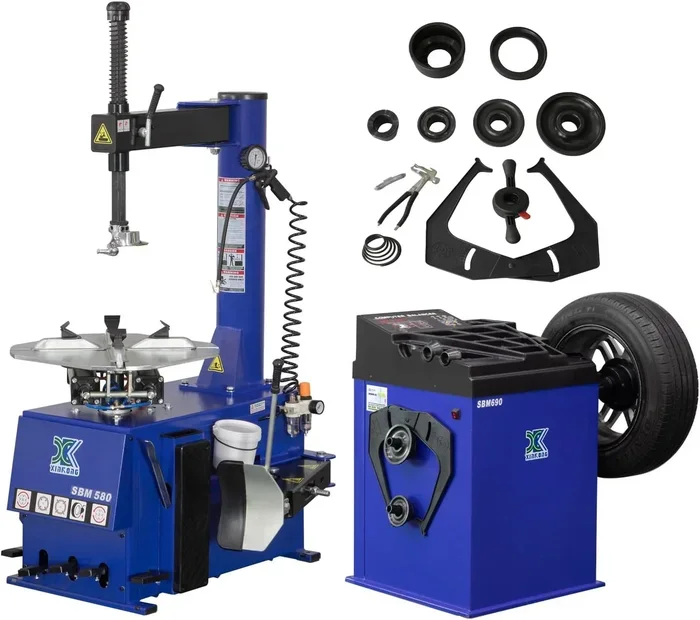
Many shop owners also pair their tire machine with a tire balancing machine for a complete tire service station. This combination lets you offer full tire services in one location, which keeps customers coming back.
How Much Should You Spend on a Tire Machine?
Price is always a factor when buying auto repair equipment. Here is a general breakdown of what you can expect.
- Budget Range ($500-$1,500): Basic manual machines. Good for very small shops or hobbyists.
- Mid-Range ($1,500-$4,000): Semi-automatic machines with solid features. Ideal for most independent shops.
- Professional Range ($4,000-$8,000): High-end semi-auto and entry-level fully automatic machines. Great for busy shops.
- Premium Range ($8,000+): Fully automatic machines with advanced features. Best for high-volume dealerships and tire centers.
Remember, the best tire machine for reliable auto repair is one that fits your specific needs. Do not overspend on features you do not need, but also do not cheap out on quality. A well-built machine pays for itself through faster service and fewer repairs.
Final Thoughts
Choosing the right tire machine is one of the most important decisions you will make for your auto repair shop. A good tire machine improves your speed, quality, and customer satisfaction. It is an investment that pays off every single day.
Take your time to research, compare, and test machines before you buy. Focus on the features that matter most for your shop. And remember, proper care and maintenance keep your machine running strong for years to come.
With the right equipment and the right approach, you will handle every tire job with confidence. Your shop will run smoother, your customers will be happier, and your bottom line will thank you.
Frequently Asked Questions
What is the best tire machine for a small auto repair shop?
For a small shop, a semi-automatic tire machine in the mid-range price bracket is usually the best choice. It offers a good balance of speed, ease of use, and affordability. Look for a machine that handles the most common tire sizes you work on.
How often should I maintain my tire machine?
You should perform basic maintenance after every shift. This includes wiping down surfaces and checking for loose parts. A full service check every three to six months keeps the machine running at peak performance.
Can a tire machine handle run-flat tires?
Yes, many modern tire machines can handle run-flat tires. However, you need to make sure the machine you choose has the right clamps and jaw pressure for this type of tire. Always check the specifications before purchasing.
What is the difference between a tire changer and a tire machine?
The terms are often used interchangeably. Both refer to equipment that removes and mounts tires on wheels. Some people use “tire machine” to include the whole process, while “tire changer” focuses on the changing aspect. The key features are essentially the same.
Do I need a fully automatic tire machine for my shop?
It depends on your volume. High-volume shops benefit greatly from fully automatic machines. Smaller shops may find that semi-automatic or even manual machines work just fine. Match the machine type to your daily workload.
How long does a quality tire machine last?
A well-maintained tire machine can last 10 to 15 years or more. The key factors are build quality, regular maintenance, and proper use. Investing in a reputable brand with strong warranty support also helps extend the lifespan significantly.
=== CONCLUSION ===
Finding the right tire machine does not have to be overwhelming. Focus on the features that matter for your shop, choose a trusted brand, and invest in proper maintenance. A good tire machine is more than just equipment. It is a tool that helps your shop run better every single day. Take your time, do your research, and you will find the perfect machine for reliable auto repair.