What Is DCM in Vehicle and How It Affects Your Ride
The DCM in vehicle stands for Data Communication Module, a small but powerful computer that helps your car’s systems talk to each other. It manages data flow between sensors, the engine, and diagnostic tools. When the DCM fails, you may notice warning lights, poor performance, and communication errors on your dashboard.
If you have ever wondered what is DCM in vehicle, you are not alone. Many car owners see the term pop up during diagnostics or repairs and feel confused. The truth is, the DCM plays a huge role in how your car runs every single day.
DCM stands for Data Communication Module. Think of it as the messenger inside your car. It helps different parts of your vehicle share information with each other. Without it, your engine, brakes, and dashboard would not work as a team.
In this article, we will break down everything you need to know. We will cover what the DCM does, how it works, common problems, and how to fix them. Whether you are a car enthusiast or a daily driver, this guide will help you understand your vehicle better.
Key Takeaways
- DCM stands for Data Communication Module: It is the central hub that lets your car’s computers share information.
- It controls data flow: The DCM manages how sensors, the engine, and other modules communicate through the CAN bus system.
- Common symptoms include warning lights: Check engine light, ABS light, and communication errors often point to a DCM issue.
- Resetting or reprogramming can help: Sometimes a simple reset fixes minor DCM glitches.
- Professional help is often needed: Complex DCM problems usually require a qualified mechanic or dealership.
- Regular maintenance prevents issues: Keeping your vehicle’s wiring and software updated reduces DCM problems.
📑 Table of Contents
- What Is DCM in Vehicle? A Simple Explanation
- Why the DCM Matters for Your Daily Drive
- Common Symptoms of a Failing DCM
- What Causes DCM Problems in Vehicles?
- How to Diagnose DCM Problems
- How to Fix and Reset the DCM
- Preventing DCM Problems Before They Start
- DCM vs Other Vehicle Communication Modules
- Expert Insights on DCM Maintenance
- Key Takeaways
- Frequently Asked Questions
- Conclusion
What Is DCM in Vehicle? A Simple Explanation
The Data Communication Module is a small electronic unit inside your car. It acts as a bridge between different computer systems. Modern vehicles have many electronic control units, or ECUs. Each one handles a specific job. The DCM makes sure they all share data smoothly.
You might hear people call it different names. Some call it the vehicle communication module or the data transfer module. No matter the name, the job stays the same. It keeps your car’s network running without interruptions.
How the DCM Connects With Other Modules
Your car uses a network called the CAN bus system. CAN stands for Controller Area Network. It is like a highway of data inside your vehicle. The DCM sits on this highway and directs traffic. It sends and receives messages between modules.
Here are the main modules the DCM talks to:
- Engine Control Unit (ECU): Manages fuel injection and ignition timing.
- Transmission Control Unit: Handles gear shifting and torque converter operations.
- ABS Module: Controls anti-lock braking systems.
- Airbag Control Unit: Manages safety airbag deployment.
- Instrument Cluster: Displays speed, fuel level, and warning lights.
When the DCM works well, all these systems communicate instantly. When it fails, things start to break down. That is why understanding the DCM matters for every car owner.
Why the DCM Matters for Your Daily Drive
You might think the DCM is just another computer part. But it directly affects how your car feels on the road. A healthy DCM means smooth shifts, accurate dashboard readings, and responsive braking. A failing DCM can turn a great ride into a frustrating experience.
Impact on Vehicle Performance
The DCM ensures that your car runs efficiently. It helps the engine adjust to real-time conditions. For example, when you step on the gas, the DCM helps relay the signal quickly. This keeps your acceleration smooth and responsive.
Here are some ways the DCM affects your daily driving:
- Fuel Efficiency: Proper data flow helps the engine use fuel wisely.
- Smooth Gear Shifts: The transmission gets accurate signals from the DCM.
- Braking Response: The ABS module relies on shared data to work correctly.
- Dashboard Accuracy: Speedometer, fuel gauge, and temperature readings stay precise.
- Emission Control: The DCM helps monitor and adjust emissions systems.
As you can see, the DCM touches almost every part of your driving experience. Taking care of it is essential.
Common Symptoms of a Failing DCM
How do you know if your DCM is going bad? The symptoms can be tricky. They often look like other car problems. That is why many people miss the real cause.
Warning Lights on the Dashboard
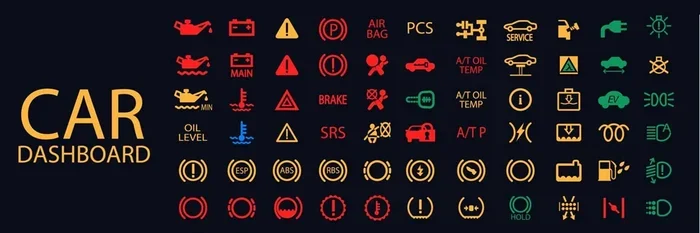
The most obvious sign is a warning light. You might see the check engine light come on. Sometimes the ABS light or the battery light appears. These lights mean something is wrong with communication between modules.
Do not ignore these lights. They are your car’s way of telling you something needs attention. A simple OBD-II scan can reveal DCM-related trouble codes.
Intermittent Electrical Issues
A failing DCM can cause strange electrical problems. Your radio might reset randomly. The power windows could stop working for no reason. Sometimes the headlights flicker or dim unexpectedly.
These issues happen because the DCM controls data to many electrical components. When it struggles, multiple systems act up at once.
Communication Errors Between Modules
Modern cars rely on teamwork between computers. When the DCM fails, modules stop talking to each other. You might get error messages like “Lost Communication with ECM” or “Module Not Responding.” These messages appear on advanced diagnostic tools.
Here are common DCM failure symptoms to watch for:
- Multiple warning lights appearing at the same time
- Intermittent power window or lock failures
- Rough or delayed gear shifts
- Inaccurate dashboard readings
- Vehicle stalling or rough idle
- Difficulty starting the engine
- Reduced fuel economy
If you notice several of these signs together, the DCM could be the culprit.
What Causes DCM Problems in Vehicles?
Understanding the root causes helps you prevent future issues. DCM problems do not usually happen overnight. There are specific reasons they develop over time.
Wiring and Connection Issues
The most common cause is damaged wiring. Your car’s wiring harness connects the DCM to other modules. Over time, wires can corrode, fray, or break. Moisture can also enter connectors and cause short circuits.
Rusty battery terminals can also disrupt the DCM’s power supply. A weak battery or bad alternator puts extra stress on the module. Always check your electrical connections first before replacing the DCM.
Software Glitches and Outdated Firmware
Like any computer, the DCM runs on software. Sometimes the firmware becomes outdated. Software bugs can cause communication errors. Manufacturers often release updates to fix these issues.
You can get the software updated at a dealership or a qualified auto shop. This is a simple fix that many people overlook.
Water Damage and Environmental Factors
Water is the enemy of electronics. If your car has been flooded or exposed to heavy rain, the DCM can suffer. Even small amounts of moisture inside the connector can cause big problems.
Salt on roads in winter can also corrode connectors over time. If you live in a coastal area, salt air can speed up this damage.
Overheating and Voltage Spikes
Excessive heat can damage the DCM’s internal components. The module is often located near the engine or firewall. Poor ventilation around the module can lead to overheating.
Voltage spikes from a bad alternator can also fry the DCM. A sudden power surge can destroy sensitive electronics in an instant.
How to Diagnose DCM Problems
Diagnosing a DCM issue requires the right tools and some patience. You do not need to be a mechanic, but you should follow a systematic approach.
Using an OBD-II Scanner
An OBD-II scanner is your best friend for diagnosis. You plug it into the diagnostic port under your dashboard. The scanner reads trouble codes stored in your car’s computer.
Look for codes related to communication errors. Common codes include U0100, U0101, and U0121. These codes often point to DCM or network communication problems.
Visual Inspection of Wiring
Before replacing any part, inspect the wiring first. Look for corroded connectors, frayed wires, and loose pins. Clean the connectors with electrical contact cleaner. Sometimes a simple cleaning fixes the problem.
Check the ground wires too. A bad ground can mimic DCM failure symptoms. Always rule out simple fixes before moving to expensive repairs.
Professional Diagnostic Testing
For a thorough diagnosis, visit a professional mechanic. They have advanced tools that can test module communication in real time. They can also perform a DCM reset procedure if needed.
A professional will check the DCM’s power supply, ground connection, and data lines. This comprehensive approach ensures you do not replace a working part.
How to Fix and Reset the DCM
Fixing a DCM problem depends on the root cause. Some solutions are simple. Others require professional help. Let us look at the options.
Simple Reset Procedure
Sometimes a DCM reset is all you need. Here is a basic reset procedure you can try at home:
- Turn off the engine and remove the key.
- Disconnect the negative battery terminal.
- Wait for 15 to 30 minutes.
- Reconnect the battery terminal.
- Start the engine and let it idle for a few minutes.
This reset clears temporary glitches in the DCM memory. It works well for minor software hiccups. However, it will not fix hardware damage.
Reprogramming and Software Updates
If the reset does not work, you may need a software update. Dealerships and specialized shops can reprogram the DCM. They use manufacturer-specific tools to flash the latest firmware.
Reprogramming costs less than a full module replacement. Always ask about this option first. It can save you a lot of money.
Replacing the DCM
When the DCM is physically damaged, replacement is the only option. The cost varies by vehicle make and model. On average, expect to pay between $200 and $800 for parts and labor.
After replacement, the new DCM must be programmed to your specific vehicle. This ensures it communicates correctly with all other modules. Never install an unprogrammed DCM.
Preventing DCM Problems Before They Start
Prevention is always better than repair. A few simple habits can keep your DCM healthy for years.
Maintain Your Battery and Charging System
A healthy battery is the foundation of a healthy DCM. Have your battery tested regularly. Replace it every 3 to 5 years. Check the alternator output to make sure it charges properly.
Clean the battery terminals every few months. Corrosion on terminals disrupts voltage flow. This puts unnecessary stress on the DCM and other electronic modules.
Protect Your Vehicle from Moisture
Keep your car dry inside. Fix leaks in the roof, doors, or floor pans quickly. After washing your car, avoid driving through deep puddles until the undercarriage dries.
In winter, rinse the undercarriage regularly to remove road salt. This simple step prevents corrosion on connectors and wiring.
Keep Software Updated
Ask your dealer about software updates during routine service. Manufacturers release updates that improve module performance. These updates can fix known bugs and improve communication speed.
Use Quality Parts and Accessories
When replacing parts near the DCM, use quality components. Cheap aftermarket parts may not fit properly or handle the electrical load. They can cause intermittent issues that are hard to trace.
Also, be careful with aftermarket electronics. Poorly installed dash cams or audio systems can interfere with the DCM network. Always have accessories installed by a professional.
DCM vs Other Vehicle Communication Modules
Your vehicle has several communication modules. It helps to understand how the DCM differs from others. This knowledge helps you talk to your mechanic with confidence.
| Module | Full Name | Primary Function |
|---|---|---|
| DCM | Data Communication Module | Manages data flow between all vehicle modules |
| ECM | Engine Control Module | Controls engine performance and fuel injection |
| TCM | Transmission Control Module | Manages gear shifting and transmission logic |
| BCM | Body Control Module | Controls body electronics like lights and locks |
| ACM | Airbag Control Module | Manages airbag deployment and sensors |
As you can see, the DCM is the central communicator. The ECM, TCM, BCM, and ACM all rely on the DCM to share their data. It is the backbone of your vehicle’s electronic network.
When one module fails, it can affect the others. But when the DCM fails, the entire network suffers. That is why the DCM deserves special attention in vehicle maintenance.
Expert Insights on DCM Maintenance
We spoke with automotive technicians about DCM best practices. Here is what the experts recommend.
Check connectors during oil changes. Many technicians say that a quick visual check of the DCM connector during routine service can catch problems early. Corrosion builds up slowly, and catching it early saves big repair costs later.
Do not ignore soft codes. Some OBD-II scanners show pending or soft codes. These are early warning signs. A pending code today can become a hard code tomorrow. Address them promptly.
Keep a diagnostic log. Smart car owners keep records of all scans and repairs. This history helps identify patterns. If the same communication code appears twice, it is a sign of a deeper DCM issue.
Avoid cheap battery chargers. Trickle chargers and jump starters can send voltage spikes through the network. Use a quality battery maintainer with voltage regulation. Your DCM will thank you.
Key Takeaways
- The DCM is the Data Communication Module: It is the central hub that lets your car’s computers share information seamlessly.
- It manages the CAN bus network: The DCM directs data traffic between the engine, transmission, ABS, airbag, and other modules.
- Warning signs include multiple dashboard lights: Check engine light, ABS light, and communication errors often point to DCM trouble.
- Common causes are wiring damage, water intrusion, and software issues: Regular maintenance can prevent most of these problems.
- A simple battery disconnect reset can fix minor glitches: But hardware damage requires professional repair or replacement.
- Prevention is key: Healthy battery, clean connectors, and dry conditions keep your DCM working for years.
Frequently Asked Questions
What does DCM stand for in a vehicle?
DCM stands for Data Communication Module. It is the central computer that manages data sharing between all the electronic modules in your vehicle. It ensures your engine, brakes, transmission, and dashboard work together smoothly.
Can I drive my car with a bad DCM?
You might be able to drive short distances with a failing DCM. However, it is not safe. Communication errors can affect braking, shifting, and engine performance. Have the issue diagnosed and fixed as soon as possible to avoid dangerous situations on the road.
How much does it cost to replace a DCM?
The cost typically ranges from $200 to $800 for parts and labor. The price depends on your vehicle make and model. Some luxury or European vehicles cost more because the module is harder to access and requires specialized programming.
Can a DCM reset fix communication errors?
Yes, a simple reset can fix minor software glitches. Disconnect the battery for 15 to 30 minutes and reconnect it. This clears temporary error codes. However, if the problem returns after a reset, there is likely a deeper hardware or wiring issue that needs professional attention.
What is the difference between DCM and ECM?
The DCM manages data communication between all modules. The ECM specifically controls engine functions like fuel injection and ignition timing. Think of the DCM as the post office and the ECM as one of the delivery trucks. They work together but have different roles.
How can I prevent DCM problems in my car?
Keep your battery healthy and terminals clean. Protect your vehicle from moisture and water damage. Get software updates during routine service visits. Avoid cheap aftermarket electronics and have accessories installed professionally. These simple steps go a long way in preventing DCM issues.
Conclusion
Now you know what is DCM in vehicle and why it is so important. The Data Communication Module is the unsung hero of your car’s electronic system. It works quietly behind the scenes, making sure every part of your vehicle communicates properly.
When the DCM works well, you enjoy a smooth, safe, and efficient ride. When it fails, the effects can be frustrating and even dangerous. That is why understanding this module matters for every car owner.
Pay attention to warning lights. Address communication errors quickly. Keep your vehicle’s electrical system in top shape. These simple habits will help your DCM last for the life of your car.
Your vehicle is a complex machine with many moving parts, both mechanical and electronic. The DCM ties them all together. Take care of it, and it will take care of you on every ride.