What Size Allen Key For Dodge Durango 2012 Brake Caliper
The correct allen key size for a 2012 Dodge Durango brake caliper is 8mm for the slide pin bolt. This guide covers the exact tool, other sizes you’ll need, and a simple step-by-step removal process. You’ll learn how to avoid common mistakes and keep your brakes working safely.
If you own a 2012 Dodge Durango and need to remove the brake caliper, you must know the What Size Allen Key For Dodge Durango 2012 Brake Caliper. Using the wrong size can strip the bolt and make the job a nightmare. The correct allen key for Dodge Durango 2012 brake caliper is typically an 8mm hex wrench for the slide pin bolt. This guide will show you the exact size, the tools you need, and how to remove the caliper safely. You’ll also learn common mistakes to avoid and expert tips to make the job easier.
Removing a brake caliper might seem intimidating, but with the right tools it’s a straightforward job. The 2012 Dodge Durango uses a standard allen key for the caliper slide pin, and knowing that single detail saves time and frustration. Before you start, gather your tools and make sure you have a clean, well-lit workspace. This article will walk you through every step, from the size of the allen key to the torque spec for the bracket bolt.
Key Takeaways
- 8mm Allen key: The slide pin bolt on the 2012 Durango caliper requires an 8mm hex wrench.
- Check the bracket bolt: You may need a 14mm or 15mm wrench for the caliper bracket, but that’s not an allen key.
- Use a torque wrench: Always tighten the slide pin bolt to the factory spec to avoid seizing.
- Support the caliper: Never let the caliper hang by the brake hose; it can damage the line.
- Clean and lubricate slide pins: This prevents sticking and uneven brake pad wear.
- Have the right tools ready: A C-clamp, brake caliper tool, and penetrating oil make the job smoother.
📑 Table of Contents
What Size Allen Key For Dodge Durango 2012 Brake Caliper – The Exact Size You Need
The Caliper Slide Pin Bolt
The caliper slide pin bolt is the main allen key bolt you’ll encounter. On the 2012 Dodge Durango, this bolt uses an 8mm allen key. It holds the caliper slide pin in place, allowing the caliper to float and apply even pressure to the brake pads. If you try to use a 6mm or 10mm key, you’ll round off the bolt head. The 8mm size is standard for most Dodge Durango models from 2007 to 2015. Always double-check your owner’s manual, but 8mm is the safe bet.
Other Bolts You’ll Encounter
While the slide pin needs an 8mm allen key, other bolts in the brake assembly use different sizes. The caliper bracket bolt, which attaches the bracket to the knuckle, is typically a 14mm or 15mm hex head. That’s not an allen key, so you’ll need a socket wrench. The brake line fitting might also require a box-end wrench. I’ll cover these in the tools section below.
| Component | Size | Tool Type |
|---|---|---|
| Caliper Slide Pin Bolt | 8mm | Allen key (hex wrench) |
| Caliper Bracket Bolt | 14mm or 15mm | Socket wrench |
| Caliper Piston | N/A | C-clamp or brake caliper tool |
| Brake Line Fitting | 14mm or 15mm | Box-end wrench |
Tools You’ll Need Besides the Allen Key
Brake Caliper Tool and C-Clamp
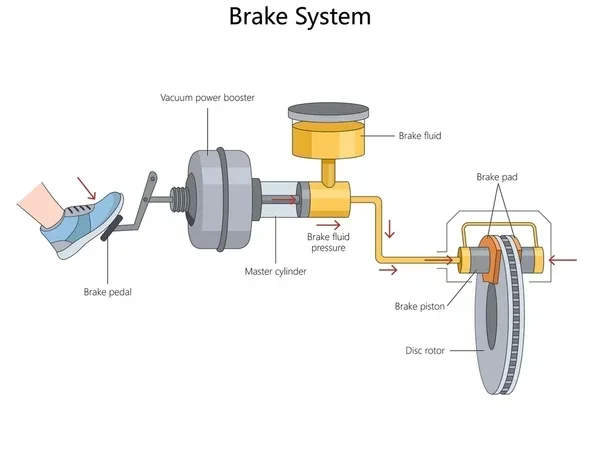
You’ll need a C-clamp or a brake caliper tool to push the piston back in. This is essential when you’re replacing brake pads. A brake caliper tool makes the job faster and avoids damage to the piston seal. You can also use a large C-clamp with a piece of old brake pad to protect the piston surface. The 2012 Durango uses a floating caliper design, so the piston only moves outward on one side.
Torque Wrench and Penetrating Oil
A torque wrench is critical for the bracket bolt and slide pin bolt. Over-tightening can warp the bracket or strip the bolt. Under-tightening can cause the caliper to vibrate and wear unevenly. Penetrating oil like WD-40 or PB Blaster helps loosen seized slide pins. Spray it on the bolt and let it sit for a few minutes before you try to turn it.
Quick Tip: Keep a 6mm allen key handy for small bolts on the brake line bracket. This size often holds the brake line bracket to the caliper bracket, and it’s easy to overlook.
Step-by-Step Guide to Removing the Brake Caliper
Safety First
Before you do anything, loosen the lug nuts while the truck is still on the ground. Then lift the front of the Durango with a jack and secure it on jack stands. Never work under a vehicle supported only by a jack. Wear safety glasses and gloves. Brake dust can be harmful, so avoid breathing it in.
Loosening the Caliper Pin
Locate the caliper slide pin bolt on the side of the caliper. It’s the bolt that holds the caliper to the bracket. Insert the 8mm allen key and turn it counterclockwise. If it’s stuck, apply penetrating oil and let it work for a few minutes. Do not force it. If the bolt won’t budge, you may need to use a breaker bar for leverage. Once loose, remove the bolt completely.
Removing the Caliper
After removing the slide pin bolt, the caliper should swing free. If it’s stuck, gently pry it loose with a flat-head screwdriver. Never use excessive force. Once the caliper is off, hang it from the spring coil or use a bungee cord to support it. Never let the caliper hang by the rubber brake hose. That can stretch the hose and cause a leak.
Common Mistakes to Avoid
Forcing the Caliper Off
One of the biggest mistakes is forcing the caliper when it’s stuck. The caliper slides on pins, and if those pins are rusty or corroded, the caliper won’t move. Forcing it can break the caliper bracket or damage the brake line. Instead, apply penetrating oil and gently work it loose. You can also tap the caliper bracket with a rubber mallet to break the rust free.
Forgetting to Support the Caliper Hose
Another common error is letting the caliper hang by the brake hose. The hose is not designed to support the weight of the caliper. It can stretch, crack, or develop a slow leak. Always use a wire hook or bungee cord to hang the caliper from the suspension spring. This simple step prevents costly repairs later.
Quick Tip: If the slide pin bolts are rusted, apply heat with a small torch. The heat expands the metal and breaks the rust bond. Just be careful not to melt any rubber hoses nearby.
Expert Tips for Brake Caliper Maintenance
Cleaning and Lubricating the Slide Pins
After removing the caliper, clean the slide pins with brake cleaner and a wire brush. Remove all old grease and rust. Then apply a thin layer of high-temperature brake caliper grease to the pins. This ensures smooth movement and prevents corrosion. The 2012 Durango’s slide pins should move freely with no binding. If they feel gritty, replace the pins and boots.
When to Replace the Caliper
If you notice the caliper piston sticking or the caliper bracket is warped, it’s time for a new caliper. Uneven brake pad wear is a telltale sign. A stuck caliper can cause the brake to drag, leading to overheating and premature pad wear. Replacing the caliper is more involved, but it’s a job you can do with basic tools. Always bleed the brakes after replacing a caliper to remove air from the lines.
Expert Insight: Many DIYers skip lubricating the slide pins during a brake pad change. This leads to caliper sticking and uneven pad wear. Take the extra five minutes to clean and grease the pins. Your brakes will last longer and feel more responsive.
Conclusion
Knowing the What Size Allen Key For Dodge Durango 2012 Brake Caliper is the first step to a successful brake job. The 8mm allen key for the slide pin bolt is the key to unlocking the caliper. With the right tools, a little penetrating oil, and careful technique, you can remove the caliper in under 30 minutes. Always support the caliper properly, avoid forcing stuck parts, and clean the slide pins during maintenance. Following these steps keeps your 2012 Dodge Durango braking safely and reliably for years to come.
Frequently Asked Questions
What size allen key do I need for the caliper slide pin on a 2012 Durango?
The caliper slide pin bolt on a 2012 Dodge Durango requires an 8mm allen key. This is the standard size for the slide pin bolt across most Durango models from 2007 to 2015. If the bolt feels tight, apply penetrating oil and use a breaker bar for extra leverage.
Can I use a regular wrench instead of an allen key?
No, the slide pin bolt has a hex socket designed for an allen key. Using a regular wrench will round off the bolt head and make removal much harder. Stick with the 8mm allen key to avoid damage and ensure a clean removal.
What happens if I strip the caliper pin bolt?
A stripped bolt can be difficult to remove without damaging the caliper bracket. You may need to drill it out or use an easy-out extractor. To prevent this, always use the correct 8mm allen key and apply penetrating oil if the bolt is stuck. Never force a tight bolt.
Do I need to bleed the brakes after removing the caliper?
You only need to bleed the brakes if you opened the brake line or pushed the piston back in with a tool that could introduce air. If you simply removed the caliper without touching the brake line, bleeding is not necessary. However, it’s a good practice to check the brake fluid level and top it off.
Can I reuse the caliper slide pin bolts?
It’s best to replace the slide pin bolts with new ones. The bolts are designed for a single use and can stretch or lose their torque spec over time. New bolts ensure proper clamping force and prevent the caliper from loosening during driving.
What size allen key for the rear caliper on a 2012 Durango?
The rear caliper slide pin bolt also uses an 8mm allen key on the 2012 Durango. Both front and rear calipers share the same slide pin size. The caliper bracket bolt may be a 14mm or 15mm socket, but the allen key for the pin is consistently 8mm.