Why Does My Car Battery Go Dead After a Day of Not Driving
Your car battery dying after just one day of sitting is frustrating and more common than you think. The main culprits include parasitic draw, old battery health, corroded terminals, and a failing alternator. In this guide, we break down every reason your battery might be dying and show you exactly how to fix it.
There is nothing worse than walking out to your car after a normal day and turning the key only to hear silence. You know the feeling. You had a busy day, you parked the car, and the next morning your engine refuses to turn over. If you have ever wondered why does my car battery go dead after a day of not driving, you are not alone. This is one of the most common car problems people face, and it can happen to anyone. The good news is that most causes are easy to identify and fix.
In this article, we will walk through every reason your car battery drain might be happening, show you how to test your battery, and give you practical tips to keep your battery health strong. Whether your car is a daily driver or sits in the garage most days, understanding what drains your battery is the first step toward a solution.
Key Takeaways
- Parasitic draw is the #1 cause: Electrical components that stay active after you turn off the car slowly drain your battery overnight.
- An old battery loses its charge fast: Most car batteries last 3 to 5 years. After that, they struggle to hold a full charge.
- Corroded battery terminals block power flow: White or green buildup on your terminals can prevent your battery from connecting properly.
- Short trips don’t fully recharge your battery: The alternator needs time to replenish the charge used during startup.
- A simple battery test can save you money: Using a multimeter or visiting an auto shop can reveal battery health in minutes.
- Prevention is easy and cheap: A battery maintainer, regular drives, and clean terminals go a long way in keeping your battery alive.
📑 Table of Contents
Why Does My Car Battery Go Dead After a Day of Not Driving: Common Causes
When your battery goes dead after just one day, something is pulling power from the battery even when the engine is off. Let us look at the most common reasons this happens and what you can do about each one.
Parasitic Draw from Electrical Components
Even when your car is turned off, certain electrical components continue to draw a small amount of power. This is called parasitic draw. Your clock, alarm system, radio memory, and onboard computer all need a tiny bit of power to stay running. That is normal and expected. But when something draws too much power, your battery pays the price.
A faulty relay, a stuck interior light, or an aftermarket device like a dash cam can cause a heavy parasitic draw. Over the course of a single night, this extra drain can completely kill your battery. If you recently added any new electronics to your car, that is a good place to start looking.
Here are common sources of parasitic draw:
- Interior lights left on or a faulty door switch
- Aftermarket devices such as dash cams or GPS trackers
- A stuck relay that stays powered on
- Faulty wiring in the trunk or under the seats
- USB chargers left plugged in
Old or Failing Battery
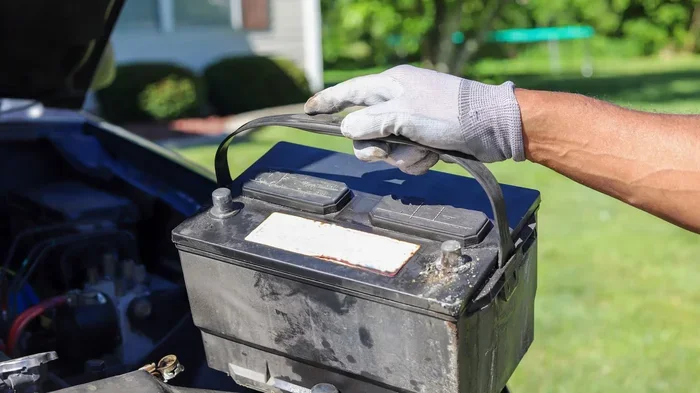
Every battery has a car battery lifespan, and it does not last forever. Most car batteries last between three and five years. As a battery ages, its ability to hold a charge drops significantly. If your battery is more than four years old, it may simply not be able to keep up anymore.
Cold weather makes this problem even worse. A cold weather battery that is already weak will struggle even more in freezing temperatures. The chemical reactions inside the battery slow down, and an old battery simply cannot produce enough power to start your engine. This is also known as battery sulfation, where lead sulfate crystals build up on the plates and reduce capacity over time.
If you have been dealing with slow starts or dim headlights, your battery might be on its way out. A simple battery test at any auto parts store can tell you exactly where you stand.
Corroded or Loose Battery Terminals
Take a look at your battery terminals. Do you see any white or blue-green buildup? That is corrosion, and it is a sneaky battery killer. Corrosion creates a barrier between the terminal and the cable, which blocks the flow of electricity. Even a small amount of buildup can cause major problems.
Loose terminals are just as bad. If the cable connections are not tight, your battery cannot deliver a consistent power supply. This can lead to intermittent starting problems and, in worse cases, a completely dead battery. Corroded battery terminals are especially common in humid or coastal areas where salt air accelerates the buildup.
Cleaning your terminals is easy and inexpensive. A mixture of baking soda and water with an old toothbrush can dissolve most corrosion. Just make sure you disconnect the battery before cleaning, and always remove the negative cable first.
How to Test Your Car Battery
If your car will not start and you suspect a dead battery, testing is the next step. You do not need to be a mechanic to check your battery health. A few simple tools can give you clear answers.
Using a Multimeter for Battery Voltage Testing
A multimeter is the easiest and most affordable way to check your battery voltage. Set your multimeter to DC voltage and touch the probes to the positive and negative terminals. A fully charged battery should read around 12.6 volts. If it reads below 12.4 volts, your battery is partially discharged. Anything below 12.0 volts means your battery is deeply discharged and may need replacement.
Multimeter testing is a quick process that takes less than two minutes. You can do it at home with no special skills. If you do not have a multimeter, most auto parts stores will test your battery for free. This is a great first step when you are trying to figure out why does my car battery go dead after a day of not driving.
Load Testing Your Battery
A load test goes a step further than a voltage check. It measures how well your battery performs under a simulated load, similar to what happens when you start your engine. This test gives you a much clearer picture of your actual battery health. Many auto parts stores offer free load testing. If your battery fails a load test, it is time for a replacement.
You can also ask your mechanic about idle battery drain testing, which measures how much power your car consumes when it is sitting idle. This helps pinpoint whether the drain is coming from normal systems or a malfunctioning component.
The Role of Your Alternator in Battery Health
Your alternator is the charger for your battery. When the engine is running, the alternator converts mechanical energy into electrical energy and sends it back to the battery. If your alternator is failing, your battery never gets fully recharged.
Alternator failure is one of the hidden causes of repeated battery drain. You might not even notice the signs at first. But over time, a weak alternator will leave your battery in a constant state of undercharge. Eventually, the battery simply cannot hold enough power to start the car.
Watch for these warning signs of alternator trouble:
- Dashboard warning light shaped like a battery
- Dimming headlights when idling
- Whining or grinding noise from the engine bay
- Electrical accessories working poorly
- Frequent need for jump starts
If you notice any of these symptoms, get your alternator checked as soon as possible. Replacing a failing alternator early can save you from repeated battery replacements and unexpected breakdowns.
Bad Driving Habits That Kill Your Battery
Sometimes the problem is not a broken part. It is how you drive. Certain habits can slowly wear down your battery without you even realizing it.
Short Trips That Do Not Recharge the Battery
If you only drive your car for 10 or 15 minutes at a time, your alternator may not have enough time to fully recharge the battery. Every time you start the engine, the battery uses a significant amount of power. On a short trip, the alternator barely gets a chance to replenish what was used.
This is why people who take frequent short trips often experience battery problems. The battery never gets a full charge, and over weeks and months, it slowly weakens. If you can, try to take longer drives occasionally to give your battery time to recover. Even a 30-minute drive on the weekend can make a big difference.
Leaving Electrical Accessories On
It happens to everyone. You park the car and forget to turn off the headlights or leave the radio playing. Modern cars have systems that remind you, but they are not foolproof. An interior lights left on situation can drain a healthy battery in just a few hours.
Other common culprits include:
- Phone chargers left plugged into the cigarette lighter
- Dashboard lights or dome lights that stay on
- Air conditioning or heating left in the on position
- Bluetooth speakers or portable coolers plugged in
Make it a habit to check your electrical accessories before walking away from the car. It takes five seconds and can save you a lot of trouble.
How to Prevent Your Battery from Dying
The best way to deal with a dead battery is to prevent it from happening in the first place. Here are practical steps you can take today.
Use a Battery Maintainer or Trickle Charger
If your car sits for long periods, a battery charger or maintainer is a game changer. These devices plug into a wall outlet and connect to your battery. They deliver a small, steady charge that keeps the battery at full capacity without overcharging. A maintainer is especially useful for seasonal vehicles, weekend cars, or any vehicle that does not get daily use.
Drive Your Car Regularly
Your battery needs regular driving to stay healthy. A 20 to 30 minute drive at least once a week gives the alternator enough time to fully recharge the battery. If you only use your car for grocery runs, try to take a longer drive on the weekends. This simple habit can significantly extend your battery lifespan.
Keep Your Terminals Clean and Tight
Regular battery maintenance goes a long way. Check your terminals every few months for signs of corrosion. Tighten any loose connections and clean off any buildup. This ensures a strong, consistent connection between the battery and the rest of the electrical system.
Turn Off All Accessories Before Shutting Down
Before you turn off the engine, take a moment to check that everything is off. Lights, radio, heated seats, phone chargers, and any other accessories should be powered down. This small habit prevents unnecessary drain and keeps your battery ready for the next start.
When to Replace Your Car Battery
Even with the best care, batteries eventually need to be replaced. Knowing when to replace yours can save you from unexpected breakdowns and frustrating mornings.
Here are clear signs your battery needs replacing:
- Your battery is more than four years old
- You need jump starts more than twice a month
- The engine cranks slowly when you turn the key
- Your dashboard lights dim when the engine is off
- The battery case is swollen or cracked
- Your car not starting even after a full charge
When the time comes, choose a battery that matches your vehicle’s specifications. Check the cold cranking amps (CCA) rating and group size recommended in your owner’s manual. A properly matched battery will perform better and last longer.
If you are wondering why does my car battery go dead after a day of not driving, the answer is almost always one of the causes we covered in this article. With the right diagnosis and a little preventive care, you can keep your battery strong and your car starting reliably every time.
Final Thoughts on Battery Health
A dead battery after a day of not driving is annoying, but it is almost always fixable. The key is understanding what is causing the drain and taking action quickly. Whether it is a simple fix like cleaning your terminals or a bigger issue like alternator failure, the sooner you address it, the less trouble you will have.
Take a few minutes each month to check on your battery. Look at the terminals, test the voltage, and pay attention to how your car starts. These small habits add up and can save you from the frustration of a dead battery. Your car battery works hard every day to start your engine. A little attention goes a long way in making sure it is always ready to go.
Now that you understand the common causes and fixes, you are better equipped to handle battery problems before they leave you stranded. Keep your battery maintained, drive regularly, and do not ignore warning signs. Your future self will thank you when your car starts right up every single time.
Frequently Asked Questions
Can a bad alternator cause my battery to die after one day?
Yes, absolutely. A failing alternator cannot properly recharge your battery while you drive. Over time, the battery loses its charge and eventually dies. If you need frequent jump starts, your alternator might be the culprit.
How long should a car battery last before going dead?
Most car batteries last between three and five years. After that, their ability to hold a charge drops significantly. If your battery is older than four years and you are experiencing frequent drain, it is probably time for a replacement.
Does cold weather make battery drain worse?
Yes, cold weather slows down the chemical reactions inside your battery. A weak battery that works fine in summer may struggle to start your car in winter. Cold weather puts extra stress on an already aging battery.
How can I test for parasitic draw at home?
You can test for parasitic draw using a multimeter set to measure current. Disconnect the negative battery terminal, connect the multimeter in series, and wait for the car’s systems to go to sleep. A reading above 50 milliamps usually indicates a problematic parasitic draw.
Is it okay to use a battery charger on a dead battery?
Yes, a battery charger or maintainer is safe to use on a dead battery. Just make sure you follow the manufacturer’s instructions. A smart charger will automatically stop charging when the battery is full, preventing overcharging.
What should I do if my battery keeps dying even after replacing it?
If a new battery keeps dying, the problem is likely not the battery itself. Check for a parasitic draw, a failing alternator, or corroded terminals. Have a mechanic perform a full electrical system diagnostic to find the root cause.