Audi Tire Pressure Light Reset How To Reset The Light
Resetting your Audi tire pressure light is simpler than most owners think. This guide walks you through every method to clear the TPMS warning on your dashboard. You will learn manual resets, sensor checks, and when to seek professional help for your Audi tire pressure light reset needs.
There is nothing more frustrating than seeing a yellow warning light pop up on your Audi dashboard. The tire pressure light can show up for many reasons. Sometimes it is a simple fix. Other times, it signals a real problem you need to address. Either way, knowing how to handle the Audi tire pressure light reset process saves you time and stress. This guide covers everything you need to know. We will walk through each method step by step. You will learn what triggers the light and how to clear it safely. Let us get started.
## Understanding the Audi Tire Pressure Monitoring System
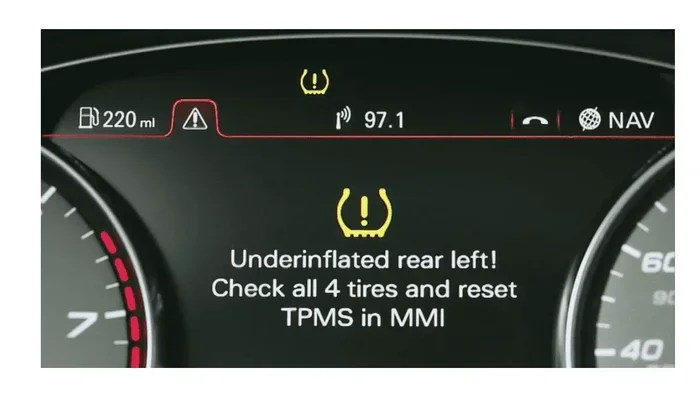
Your Audi comes equipped with a Tire Pressure Monitoring System, or TPMS. This system keeps an eye on the air pressure inside each tire. When pressure drops below the recommended level, the dashboard light turns on. The warning symbol looks like a horseshoe shape with an exclamation mark in the center. It may also show as “TPMS” on some models.
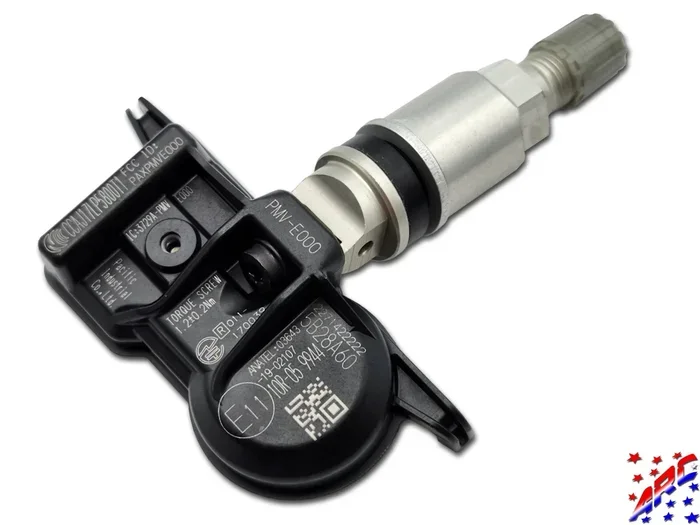
The TPMS uses sensors inside each tire or on the valve stems. These sensors send real-time data to your car’s computer. If one tire reads significantly lower than the others, the system triggers the warning. Understanding this helps you respond quickly and correctly.
### Why Does the Tire Pressure Light Come On?
Several common causes can trigger the tire pressure light on your Audi:
- Low tire pressure: A slow leak or temperature change can reduce air levels.
- Temperature swings: Cold weather naturally lowers tire pressure.
- Punctures: Small nails or sharp objects can cause slow leaks.
- TPMS sensor failure: The sensor itself may need replacement.
- Recent tire changes: Swapping tires can sometimes trigger a false warning.
- Battery issues: The sensor battery may be dying, especially in older Audis.
Before you try any tire pressure reset, always check your tire pressure first. Use a reliable tire pressure gauge to measure each tire. Compare the readings to your owner’s manual or the sticker on the driver’s door jamb. Inflate tires to the recommended PSI before proceeding.
## How to Reset the Audi Tire Pressure Light
The Audi tire pressure light reset process varies slightly depending on your model and year. Most modern Audis use the MMI system for resets. Older models may use a physical button under the steering column. Let us explore the most common methods.
### Method 1: Reset Through the MMI System
The MMI (Multi Media Interface) is your Audi’s central control screen. Most Audis from 2010 onward use this system for TPMS resets. Follow these steps:
- Start your vehicle and let it idle for a few minutes.
- Press the Menu button on the MMI controller.
- Navigate to Vehicle Settings.
- Select Tire Pressure or TPMS.
- Choose Reset Tire Pressure.
- Confirm the reset when prompted.
The light should turn off within a few seconds. Drive your vehicle for a few miles to let the system recalibrate. If the light returns, there may be an underlying issue you need to address.
### Method 2: Using the Physical Reset Button
Some Audi models have a dedicated TPMS reset button. This button is usually located under the steering column on the left side. Here is how to use it:
- Turn the ignition to the “On” position without starting the engine.
- Locate the reset button beneath the steering column.
- Press and hold the button until the TPMS light flashes three times.
- Start the engine and drive for at least 10 minutes.
This method works well on older Audi models like the A4 B7 and Q5 8R. If you are unsure where your reset button is, check your owner’s manual for guidance.
### Method 3: Automatic Reset After Inflation
Many newer Audi models reset the TPMS automatically. Once you inflate all tires to the correct pressure, the system may clear the warning on its own. Drive at a steady speed for about 15 to 20 minutes. The light should turn off once the system detects proper pressure across all tires.
If the light does not go away after driving, try the manual reset methods above.
## Common Reasons the Tire Pressure Light Won’t Reset
Sometimes the Audi tire pressure light reset does not work right away. This can be frustrating, but it usually points to a specific issue. Let us look at the most common reasons.
### Low Pressure in One or More Tires
The most obvious cause is actually the most common. Even a small pressure drop can keep the light on. Check every tire, including the spare if your Audi has one. Use a quality tire pressure gauge for accurate readings. Remember that temperature changes can affect pressure significantly. A drop of 10 degrees Fahrenheit can reduce pressure by about 1 PSI.
### Faulty TPMS Sensor
TPMS sensors have a limited lifespan. Most last between 5 and 10 years. The sensor battery cannot be replaced separately in many models, so the entire sensor unit needs replacement when it dies. A dead or malfunctioning sensor will keep the light on no matter what you do.
If you suspect a sensor issue, a mechanic can run a diagnostic scan to identify the faulty sensor. This is a quick and affordable fix in most cases.
### Recent Tire or Wheel Changes
Did you recently rotate your tires or install new wheels? The TPMS sensors may need recalibration after any tire service. Some tire shops reset the system for free, but not all do. Always ask for a TPMS reset after any tire work.
Also, if you use tire sealants or products like Tire Armor sealants, make sure they are TPMS-safe. Some sealants can clog or damage sensors, causing false warnings.
### Software or System Glitch
Audi vehicles rely on complex software for many functions. Occasionally, a software glitch can cause the TPMS light to stay on even when everything is fine. A simple battery disconnect can sometimes clear this. Disconnect the negative battery terminal for 15 minutes, then reconnect it. This resets the car’s computer and often clears minor glitches.
## Preventing Future Tire Pressure Warnings
Staying ahead of tire pressure issues keeps your Audi running safely and efficiently. A few simple habits go a long way toward preventing recurring warnings.
### Check Tire Pressure Monthly
Make it a habit to check your tire pressure at least once a month. Use a digital tire pressure gauge for the most accurate readings. Check tires when they are cold, meaning the car has been parked for at least three hours. Hot tires give falsely high readings.
### Invest in Quality Tire Protection
Using tire armor products can help prevent slow leaks and punctures. Tire Armor sealants create a protective layer inside the tire that seals small holes automatically. This reduces the chance of pressure loss and keeps your TPMS from triggering unnecessarily.
### Keep Tires Properly Inflated Year-Round
Temperature changes throughout the year affect tire pressure. In winter, pressure drops. In summer, pressure rises. Adjust your tire pressure seasonally to stay within the recommended range. Your owner’s manual lists the correct PSI for each season.
### Monitor TPMS Sensor Health
Keep track of your sensor age. If your Audi is more than 8 years old, consider having the sensors checked during routine maintenance. Replacing sensors before they fail prevents unexpected warnings and keeps your TPMS working reliably.
### Drive Habits That Help
Aggressive driving and potholes can damage TPMS sensors and cause pressure loss. Smooth driving extends the life of both your tires and sensors. Avoid overloading your vehicle beyond the recommended weight limit, as extra weight puts additional stress on tires.
## When to See a Professional for TPMS Issues
Not every tire pressure issue is a DIY fix. Some situations call for a certified Audi technician. Knowing when to seek help saves you from bigger problems down the road.
### The Light Flashes Then Stays On
A flashing TPMS light followed by a steady glow usually indicates a sensor malfunction. This is not something you can fix with a simple reset. A professional diagnostic tool can read the specific error code and identify which sensor needs attention.
### Frequent Pressure Loss
If you find yourself adding air to your tires weekly, there is likely a leak. This could be a punctured tire, a faulty valve stem, or a corroded rim. A tire professional can inspect each tire and find the source of the leak.
### After Sensor Replacement
If you have replaced a TPMS sensor and the light still does not go off, the new sensor may need programming. Audi vehicles require sensor registration with the car’s computer system. This process requires specialized tools and expertise.
### Dashboard Shows Multiple Warnings
If the tire pressure light appears alongside other warning lights, there may be a broader electrical or computer issue. Do not ignore multiple dashboard warnings. Take your Audi to a certified dealer or trusted mechanic as soon as possible.
## Quick Tips for a Smooth Reset
Here are some quick tips to make your Audi tire pressure light reset process smoother:
- Always check tire pressure before resetting the light.
- Drive at 30 mph or above for 10 minutes after a reset.
- Keep your owner’s manual handy for model-specific instructions.
- Use TPMS-safe products if applying any tire sealants.
- Replace sensor batteries proactively every 5 to 7 years.
- Keep a portable air compressor in your trunk for emergencies.
## Expert Insights on Audi TPMS Maintenance
Experienced Audi technicians agree that proactive TPMS maintenance prevents most warning light issues. Regular pressure checks and timely sensor replacements keep the system functioning properly. Many drivers ignore the TPMS light until it becomes a persistent problem. Catching small pressure drops early prevents uneven tire wear and improves fuel economy.
According to Audi service advisors, the most common TPMS mistake is resetting the light without fixing the root cause. The warning exists for a reason. Address the underlying issue first, then reset the system. This approach keeps your tires in top condition and your Audi performing at its best.
Using quality tire care products also plays a role. Products from Tire Armor help maintain tire integrity and reduce the frequency of pressure-related warnings. Prevention is always better than repair when it comes to tire maintenance.
## Key Takeaways Recap
The Audi tire pressure light reset process is straightforward once you understand the system. Check your tire pressure first, then use the appropriate reset method for your model. Address any underlying issues before resetting to avoid recurring warnings. Regular maintenance and quality tire products keep your TPMS working reliably.
## Frequently Asked Questions
How do I reset the tire pressure light on my Audi A4?
On most Audi A4 models, you can reset the light through the MMI system. Go to Vehicle Settings, select Tire Pressure, and choose Reset. Alternatively, use the physical reset button under the steering column. Drive for 10 minutes after resetting to allow the system to recalibrate.
Why does my Audi tire pressure light keep coming back on?
A recurring tire pressure light usually means there is an underlying issue. Check for slow leaks, faulty sensors, or temperature-related pressure drops. If you recently added air and the light returns quickly, inspect the tires for punctures or valve stem damage. Using TPMS-safe tire sealants can also help prevent slow leaks.
Can I drive with the tire pressure light on?
It is not recommended to drive with the TPMS light on for extended periods. Low tire pressure reduces handling, increases fuel consumption, and causes uneven tire wear. Check your tire pressure immediately when the light appears. If the tires are properly inflated, the light may be a sensor issue that still needs attention.
How much does it cost to replace a TPMS sensor on an Audi?
TPMS sensor replacement for an Audi typically costs between $150 and $300 per sensor, including labor. The exact price depends on your Audi model and the age of the sensor. Some independent shops offer lower prices than dealerships, but always ensure the technician uses OEM-compatible sensors for proper function.
Does cold weather trigger the Audi tire pressure light?
Yes, cold weather commonly triggers the TPMS light. Air pressure inside tires decreases as temperatures drop. A 10-degree drop in temperature can reduce tire pressure by about 1 PSI. During winter months, check your tire pressure more frequently and adjust as needed to keep the system from triggering false warnings.
Can I use tire sealant with TPMS sensors?
Only use TPMS-safe tire sealants. Many standard sealants can clog or damage TPMS sensors, leading to false warnings or sensor failure. Products like Tire Armor sealants are specifically formulated to be safe for TPMS-equipped tires. Always check the product label before applying any sealant to a tire with built-in sensors.
How long does a TPMS battery last in an Audi?
TPMS sensor batteries typically last between 5 and 10 years. The battery is built into the sensor and cannot be replaced separately in most Audi models. When the battery dies, the entire sensor unit must be replaced. If your Audi is over 7 years old, consider having the sensors checked during routine service to prevent unexpected failures.
What should I do if the reset button does not work?
If the reset button does not work, try disconnecting the negative battery terminal for 15 minutes and then reconnecting it. This resets the car’s computer system and often clears persistent warnings. If the light still does not turn off, there may be a sensor fault or a slow leak that needs professional diagnosis. Do not keep driving with the light on without checking your tire pressure first.
Key Takeaways
- Multiple Reset Methods: Audi vehicles offer several ways to reset the tire pressure light, including dashboard menu options and physical button resets.
- Check Tire Pressure First: Always verify and adjust your tire pressure before attempting any reset to avoid recurring warnings.
- TPMS Sensor Health Matters: A faulty sensor can trigger the light even when tires are properly inflated.
- Tire Armor Products Help: Using Tire Armor sealants can prevent slow leaks that cause frequent pressure warnings.
- Know When to See a Pro: Some issues require a certified Audi technician, especially after sensor replacement or battery changes.
Frequently Asked Questions
What is audi tire pressure light reset?
audi tire pressure light reset is an important topic with many practical applications.