Can My Oil Affect My Car Starting and Not Turn Over
Yes, your oil can directly affect your car starting and cause it not to turn over. Low oil levels, wrong viscosity, and a failing oil pump can all block your engine from firing up. Understanding how oil impacts your starting system can save you time, money, and frustration.
You turn the key. Nothing happens. Your car sits there like it’s dead. You check the battery. You check the starter. But what if the real culprit is something much simpler? Can my oil affect my car starting and not turn over? The answer is a surprising yes. Oil is the lifeblood of your engine. Without it, your car simply cannot run. And when something goes wrong with your oil, your entire starting system can be affected.
Many car owners don’t realize how closely their engine oil connects to their vehicle’s ability to start. Low oil, old oil, or the wrong type of oil can all lead to a car that won’t turn over. This guide breaks down exactly how oil impacts your starting system. You’ll learn the signs, the causes, and what you can do to fix the problem. Let’s get into it.
Key Takeaways
- Low oil level can prevent your engine from turning over: Without enough oil, internal parts seize up and stop the engine from cranking.
- Wrong oil viscosity causes starting problems: Thick or thin oil doesn’t lubricate properly, especially in cold weather.
- A clogged oil filter blocks oil flow: This starves your engine and can stop it from starting altogether.
- Failing oil pump = no start: The pump pushes oil through your engine. If it fails, your car won’t turn over.
- Regular oil changes prevent most starting issues: Fresh oil keeps your engine healthy and your car ready to go.
- Warning signs are easy to spot: Dashboard lights, strange noises, and slow cranking all point to oil-related problems.
📑 Table of Contents
- How Oil Affects Your Car’s Starting System
- Signs Your Oil Is Causing Starting Problems
- Common Oil-Related Reasons Your Car Won’t Start
- Can Old Oil Stop Your Car from Starting?
- Quick Tips to Prevent Oil-Related Starting Issues
- When to See a Mechanic for Oil-Related Starting Problems
- The Connection Between Oil Quality and Engine Health
- Expert Insights on Oil and Starting Problems
- Key Takeaways
- Conclusion
How Oil Affects Your Car’s Starting System
Your engine has hundreds of moving parts. Pistons, crankshafts, camshafts, valves, and bearings all work together every time you drive. Oil keeps these parts lubricated. It reduces friction and prevents metal-on-metal contact. When oil levels drop or quality declines, these parts start grinding against each other. Eventually, they can lock up completely.
When your engine locks up, the starter motor tries to turn the crankshaft. But if the internal parts are stuck, nothing moves. Your car won’t crank. It won’t turn over. It just sits there, silent or clicking. This is one of the most common ways low oil affects car starting.
The Role of Oil Pressure in Starting
Oil pressure plays a big role in your engine’s health. The oil pump pushes oil through passages inside your engine. This creates pressure that keeps everything running smoothly. When you turn the key, the pump needs to build pressure quickly. If your oil is too thick, too low, or dirty, the pump struggles to do its job.
Without proper oil pressure, your engine’s internal components don’t get the lubrication they need. The starter motor may still engage. You might hear a grinding sound. But the engine won’t fire up. Think of it like trying to run a marathon with no water. Your body just can’t perform.
How Oil Viscosity Impacts Cold Starts
Oil viscosity refers to how thick or thin your oil is. You see numbers like 5W-30 or 10W-40 on every bottle. The “W” stands for winter. The lower the number before the W, the thinner the oil is in cold temperatures. Thinner oil flows more easily when your engine is cold.
When you use the wrong oil viscosity, your car may struggle to start in cold weather. Thick oil moves slowly. It doesn’t reach all the engine parts fast enough during a cold start. This delays lubrication and can make your engine crank slowly or not at all. Many people don’t realize that oil type and temperature are closely linked to starting performance.
Signs Your Oil Is Causing Starting Problems
Your car usually gives you warning signs before a full starting failure. Paying attention to these signals can save you from a bigger repair bill down the road. Here are the most common signs that your engine oil is affecting your ability to start.
- Slow cranking: The engine turns over slowly or weakly when you turn the key. This often means your oil is too thick or low.
- Clicking sound without turning over: You hear a click but the engine doesn’t catch. This can point to low oil pressure.
- Dashboard oil warning light: The red oil light on your dash means your oil pressure or level is below normal.
- Strange engine noises: Knocking or ticking sounds from the engine often signal inadequate oil flow.
- Oil smell inside the car: A burning oil smell can mean your engine is overheating due to poor lubrication.
- Stalling after starting: If your car starts but dies right away, oil flow issues could be the cause.
Don’t ignore these signs. They are your car’s way of telling you something is wrong. The sooner you address oil-related starting issues, the better your chances of avoiding a major breakdown.
Common Oil-Related Reasons Your Car Won’t Start
Several oil-related problems can prevent your car from turning over. Let’s look at the most common ones and what causes them.
Low Oil Level
This is the number one cause of oil-related starting problems. When your oil level drops too low, your engine loses lubrication. Internal parts start to grind and heat up. Over time, this can cause the engine to seize. A seized engine simply cannot turn over, no matter how hard the starter motor tries.
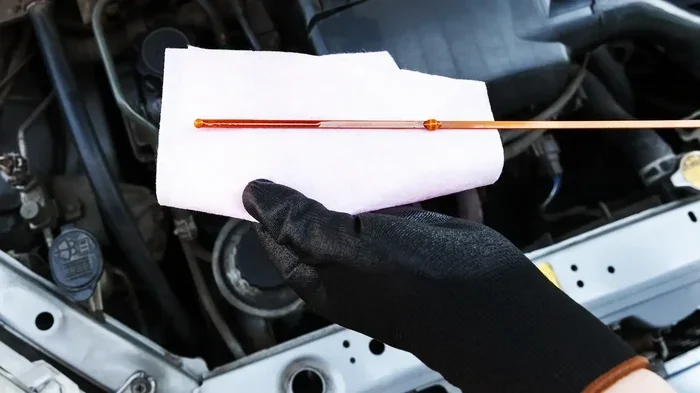
Low oil often happens because of leaks or missed oil changes. Oil burns slowly over time, and some vehicles use more oil than others. Checking your dipstick regularly is one of the easiest ways to prevent this issue. If your oil level is low, topping it off might get you started again temporarily. But you should find the source of the leak or burn as soon as possible.
Wrong Oil Viscosity
Using the wrong oil weight for your engine can create serious starting problems. Every car manufacturer recommends a specific viscosity grade. You can find this in your owner’s manual. Using oil that is too thick makes it hard for the engine to turn over, especially when it’s cold outside.
On the flip side, oil that is too thin doesn’t provide enough protection. It breaks down faster and can lead to increased wear. Both situations can affect how well your car starts. Always stick with the manufacturer-recommended oil for your vehicle. This is one of the simplest ways to keep your starting system working properly.
Clogged Oil Filter
Your oil filter traps dirt, metal particles, and debris. Over time, it gets clogged. When this happens, oil can’t flow through it properly. Your engine gets starved of lubrication, and oil pressure drops. A drop in pressure can prevent your car from starting.
Replacing your oil filter with every oil change is a basic maintenance task. It takes just a few minutes and costs very little. Yet many people skip it. A clean oil filter ensures that fresh oil reaches all the right places in your engine. This keeps your starting system healthy and strong.
Failing Oil Pump
The oil pump is the heart of your engine’s lubrication system. It pushes oil through the passages and keeps pressure at the right level. When the pump starts to fail, oil flow decreases. Your engine parts don’t get the lubrication they need.
A failing oil pump can cause your car not to turn over at all. The engine may crank but won’t start. Or it might not crank at all. Oil pump failure is a serious issue that requires professional attention. If you suspect your pump is going bad, get your car checked right away. Ignoring it can lead to complete engine failure.
Can Old Oil Stop Your Car from Starting?
Yes, old oil can absolutely stop your car from starting. As oil ages, it breaks down. It loses its lubricating properties. It collects sludge and contaminants. Dirty oil doesn’t flow as well as fresh oil. It moves slowly through your engine’s passages and can’t build proper pressure.
Over time, old oil can cause a buildup of sludge inside your engine. Sludge is a thick, tar-like substance that clogs oil passages. When these passages get blocked, oil can’t reach the parts that need it most. Your engine struggles to turn over. In severe cases, it won’t start at all.
Regular oil changes are the best way to prevent this problem. Most manufacturers recommend changing your oil every 5,000 to 7,500 miles. If you drive in extreme conditions, you may need to change it more often. Following the recommended oil change interval keeps your engine clean and your car starting reliably.
Common Mistakes That Make Oil-Related Starting Worse
- Ignoring the oil warning light: Many drivers dismiss this light. It’s the first sign that something is wrong with your oil system.
- Adding the wrong oil type: Mixing different viscosities or using the wrong grade can cause starting issues.
- Skipping oil changes: Old oil degrades and loses its ability to lubricate effectively.
- Overfilling the oil: Too much oil can cause foaming and reduce oil pressure.
- Delaying repairs: Small oil problems become big engine problems if you wait too long to fix them.
Quick Tips to Prevent Oil-Related Starting Issues
Prevention is always better than repair. A little effort goes a long way toward keeping your car starting smoothly. Here are some simple tips to follow.
- Check your oil level monthly. Pop the hood and pull the dipstick. Make sure the oil is between the minimum and maximum marks. Top it off if needed.
- Stick to your oil change schedule. Don’t skip or delay oil changes. Fresh oil keeps your engine running at its best.
- Use the right oil for your car. Check your owner’s manual for the recommended viscosity. Always use oil that meets or exceeds the manufacturer’s specs.
- Replace your oil filter regularly. Change the filter every time you change your oil. A clean filter ensures proper oil flow.
- Watch for leaks. Check under your car for oil spots. Fix leaks promptly to prevent your oil level from dropping too low.
- Warm up your engine gently. In cold weather, let your car idle for a minute or two before driving. This gives the oil time to circulate.
These habits take just a few minutes each month. But they can make a huge difference in how well your car starts and how long your engine lasts.
When to See a Mechanic for Oil-Related Starting Problems
Some oil issues are easy to fix on your own. Topping off low oil or changing a filter are simple tasks. But other problems need professional help. You should see a mechanic if you notice any of the following.
- Your car won’t start even after adding oil.
- The oil warning light stays on after you check the level.
- You hear loud knocking or grinding from the engine.
- Your oil looks black, gritty, or has a burnt smell.
- Your car stalls frequently after starting.
- You see blue or white smoke coming from the exhaust.
A mechanic can run a full oil pressure test and inspect your engine for internal damage. They can also check your oil pump, oil filter, and all related components. Getting a professional diagnosis early can save you from costly repairs later.
Don’t wait until your car won’t start at all. If you notice any of the signs mentioned above, schedule a check-up. A little preventive care now can keep your car running strong for years to come.
The Connection Between Oil Quality and Engine Health
Your engine oil does more than just lubricate. It also cleans, cools, and protects your engine. High-quality oil contains additives that prevent corrosion and reduce friction. Over time, these additives break down. The oil loses its effectiveness. This is why oil quality matters so much for your engine’s overall health.
When your oil quality declines, your engine works harder. Parts experience more wear and tear. This wear can affect how well your car starts. A well-maintained engine with clean, fresh oil starts easily and runs smoothly. A neglected engine with dirty oil struggles to turn over.
Think of it like brushing your teeth. Regular care prevents big problems. The same goes for your engine oil. Keep it clean, keep it at the right level, and your car will reward you with reliable starts every time.
Expert Insights on Oil and Starting Problems
Experienced mechanics see oil-related starting problems all the time. Here’s what the pros want you to know.
Most starting issues linked to oil are preventable. Regular maintenance catches problems early. A simple oil change can prevent a seized engine. Don’t underestimate the power of basic car care.
Cold weather makes oil problems worse. In winter, oil thickens and flows more slowly. This is why cars are harder to start in the cold. Using the right winter-grade oil makes a big difference. Switching to a thinner viscosity in cold months can help your car start more easily.
High-mileage vehicles need extra attention. Older engines tend to use more oil. They may develop small leaks or burn oil faster. If you drive a car with high mileage, check your oil more frequently. Consider using high-mileage oil formulas designed for older engines.
Synthetic oil offers better protection. Synthetic oils flow more smoothly at all temperatures. They resist breakdown better than conventional oils. Many experts recommend synthetic oil for improved starting performance, especially in extreme temperatures.
Key Takeaways
- Low oil level can prevent your engine from turning over: Without enough oil, internal parts seize up and stop the engine from cranking.
- Wrong oil viscosity causes starting problems: Thick or thin oil doesn’t lubricate properly, especially in cold weather.
- A clogged oil filter blocks oil flow: This starves your engine and can stop it from starting altogether.
- Failing oil pump = no start: The pump pushes oil through your engine. If it fails, your car won’t turn over.
- Regular oil changes prevent most starting issues: Fresh oil keeps your engine healthy and your car ready to go.
- Warning signs are easy to spot: Dashboard lights, strange noises, and slow cranking all point to oil-related problems.
Conclusion
The answer to “can my oil affect my car starting and not turn over” is clear. Your oil directly impacts your car’s ability to start. Low oil, wrong viscosity, a clogged filter, or a failing pump can all prevent your engine from turning over. These are serious issues, but most of them are preventable with regular maintenance.
Check your oil level often. Use the right type of oil. Change your oil and filter on schedule. Pay attention to warning signs. These simple steps keep your engine lubricated and your car starting reliably. Don’t wait for a problem to arise. Take care of your oil now, and your car will take care of you every time you turn the key.
Your engine oil is not just a fluid. It’s the foundation of your car’s starting system. Treat it well, and your car will reward you with smooth, dependable starts for years to come.
Frequently Asked Questions
Can low oil cause a car not to start?
Yes, low oil can cause a car not to start. When oil levels drop too low, the engine loses lubrication. Internal parts can grind together and seize up. A seized engine won’t turn over, no matter how hard the starter motor tries.
What oil should I use for better starting performance?
Always use the manufacturer-recommended oil for your vehicle. Check your owner’s manual for the correct viscosity grade. Using the right oil weight ensures proper flow and lubrication, which supports reliable starting in all seasons.
How often should I change my oil to prevent starting issues?
Most manufacturers recommend an oil change every 5,000 to 7,500 miles. If you drive in extreme heat, cold, or stop-and-go traffic, you may need to change it more often. Following the recommended interval keeps your oil clean and your engine healthy.
Can old oil cause my car to crank but not start?
Yes, old oil can cause your car to crank but not start. Dirty oil doesn’t flow well. It can’t build proper oil pressure. Without enough pressure, your engine’s internal parts don’t get the lubrication they need to fire up.
Is synthetic oil better for starting in cold weather?
Synthetic oil flows more smoothly in cold temperatures than conventional oil. It maintains its viscosity better in winter conditions. This means better lubrication during a cold start and less strain on your engine’s starting system.
What does it mean if my car clicks but won’t turn over?
A clicking sound without turning over often points to low oil pressure or a weak starter motor. Check your oil level first. If the oil is fine, the issue may be electrical. Have a mechanic diagnose the problem to be safe.