Tint Percentages
Tint percentages tell you how much light passes through a tint film. They are key for cars, homes, and offices. Higher numbers mean more light gets in, while lower numbers create darker shades. This guide covers everything you need to know about tint percentages, from VLT to legal limits and film types.
Tint percentages are one of the most important things to understand when you are buying window tint. Whether you are tinting your car, your home windows, or your office, the percentage matters a lot. It controls how much light gets through the glass. It also affects heat, glare, and privacy. In this guide, we will break down tint percentages in simple terms. You will learn what they mean, how they work, and how to pick the right one for your needs.
If you have ever walked past a tinted car and wondered why the windows look so dark, the answer is the tint percentage. That number on the film tells a story. It tells you how much light the film lets through. A higher percentage means more light gets in. A lower percentage means less light gets in. This simple idea drives everything from comfort to legality. So let us dive in and make tint percentages easy to understand.
Key Takeaways
- Tint percentages define light transmission: They measure how much visible light passes through the film.
- VLT is the standard measurement: Visible Light Transmission is the most common way to express tint darkness.
- Legal limits vary by state and region: Each area has its own rules for how dark your tint can be.
- Different film types offer different performance: Ceramic, carbon, dyed, and metalized tints all behave differently.
- Factory tint and aftermarket tint differ: Knowing the difference helps you make better decisions.
- Tint percentages affect heat, glare, and UV protection: Choosing the right shade impacts comfort and safety.
- Professional installation ensures accuracy: A pro can help you pick the right tint percentage for your needs.
📑 Table of Contents
- What Are Tint Percentages?
- Why Do Tint Percentages Matter?
- Common Tint Percentage Levels and What They Mean
- Tint Laws and Legal Limits by State
- Types of Tint Film and How They Affect Tint Percentages
- Factory Tint vs. Aftermarket Tint
- How to Choose the Right Tint Percentage for You
- Quick Tips for Getting the Most Out of Your Tint
- Common Mistakes People Make with Tint Percentages
- Expert Insights on Tint Percentages
- Final Thoughts on Tint Percentages
What Are Tint Percentages?
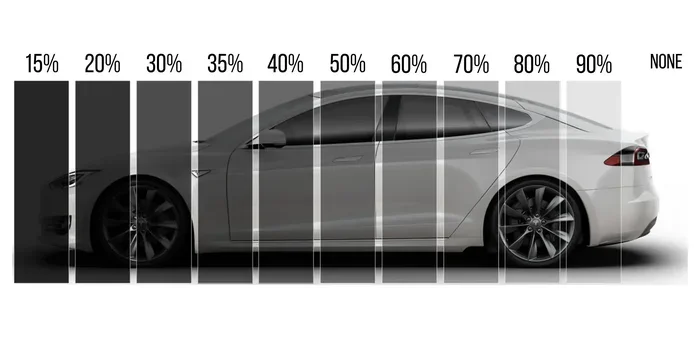
Tint percentages are a measure of how much visible light passes through a window film. The technical term for this is Visible Light Transmission, or VLT. VLT is expressed as a percentage. For example, a film with 70% VLT lets 70% of light through. A film with 5% VLT lets only 5% of light through. The rest is blocked. This is the basic idea behind tint percentages.
When you hear someone say “I have 35% tint on my car,” they are talking about VLT. That number tells you how dark the film looks and how much light it blocks. Understanding this concept is the first step to choosing the right film. It also helps you stay within the law. More on that later. For now, just remember that tint percentages are all about light.
How Is VLT Measured?
VLT is measured using a special device called a tint meter. This tool shines light through the glass and film. It then calculates what percentage of light passes through. The result is the VLT number. This measurement is very precise. It is how tint shops and law enforcement check if a tint is legal. You can also buy handheld tint meters online if you want to check your own film at home.
It is worth noting that VLT is not the only factor. The type of film also matters. A dyed film and a ceramic film with the same percentage can feel very different. Ceramic films block more heat even at the same tint percentages. We will cover film types in detail later in this guide.
Why Do Tint Percentages Matter?
Tint percentages matter for several big reasons. First, they affect your comfort. A very dark tint can make your car or room feel cooler. It also cuts down on glare from the sun. Second, they affect your privacy. Darker tints make it harder for people outside to see in. Third, they affect legality. Every state has rules about how dark your tint can be. If you go too dark, you can get a ticket.
Here are the main reasons tint percentages are important:
- Comfort: Darker tints reduce heat and glare inside your vehicle or home.
- Privacy: Lower VLT makes it harder for others to see through your windows.
- Safety: Some tints reduce glare from headlights at night, which can improve driving safety.
- UV Protection: Many tint films block harmful UV rays, and the percentage can affect how much protection you get.
- Legal Compliance: Staying within legal limits avoids fines and the hassle of removing your tint.
- Aesthetics: Tint percentages change the look and feel of your vehicle or building.
As you can see, tint percentages touch almost every part of the tinting experience. That is why it pays to understand them before you buy.
Common Tint Percentage Levels and What They Mean
Not all tints are the same darkness. There are several common levels that people choose for different reasons. Here is a quick look at the most popular tint percentages you will see on the market.
70% Tint (Very Light)
A 70% tint is very light. It is barely noticeable. This is often used on front windshields or when people want a subtle look. It still blocks a good amount of UV rays. But it does not reduce heat or glare very much. A 70% tint is a great choice if you want protection without a dark look. Many factory tints on new cars fall in this range.
50% Tint (Medium Light)
A 50% tint blocks half the light that comes in. This is a popular choice for car side windows. It offers a nice balance of style, comfort, and legality. You still get good visibility, but you also get reduced glare and heat. For many drivers, 50% is the sweet spot. It looks great and stays within most legal limits.
35% Tint (Medium Dark)
At 35%, the tint is noticeably darker. This is one of the most common choices for car rear windows. It provides good privacy and solid heat rejection. Many people love the look of 35% tint on their vehicles. It is dark enough to look stylish but light enough to see through easily during the day.
20% Tint (Dark)
A 20% tint is quite dark. It is often used on rear passenger windows for privacy. You will have a hard time seeing through this tint from the outside. It offers excellent heat rejection and UV protection. However, it may not be legal on all windows in all states. Always check your local tint laws before going this dark.
5% Tint (Very Dark / Limo Tint)
A 5% tint is the darkest option available. It is often called “limo tint” because that is what private limousines use. Almost no light passes through. This offers maximum privacy and heat rejection. But it is also the most restricted by law. In most states, 5% tint is only legal on rear windows, never on the windshield or front side windows.
Quick Reference Table of Common Tint Percentages
| Tint Percentage | Light Transmitted | Common Use | Privacy Level |
|---|---|---|---|
| 70% | 70% of light | Subtle look, UV protection | Low |
| 50% | 50% of light | Balanced comfort and style | Medium |
| 35% | 35% of light | Popular car tint choice | Medium-High |
| 20% | 20% of light | Privacy and heat rejection | High |
| 5% | 5% of light | Maximum privacy (limo tint) | Very High |
Use this table as a starting point when you are deciding on tint percentages for your project. Your choice should depend on your goals, your local laws, and your personal preferences.
Tint Laws and Legal Limits by State
One of the most important things to know about tint percentages is that they are regulated by law. Every state in the U.S. has its own tint laws. These laws set the maximum darkness allowed for each window. If your tint is too dark, you can be pulled over and fined. The fines can be expensive, and you may be required to remove the film.
How Tint Laws Work
Tint laws usually specify the maximum darkness for the front side windows, rear side windows, and rear windshield. Some states also have rules about the tint band on the windshield. For example, many states allow a tinted strip at the top of the windshield, but only up to a certain height. The laws are based on VLT percentage. A lower VLT means a darker tint. And darker tints are more likely to violate the law.
Here are some general rules of thumb about tint laws:
- Front side windows: Most states require at least 70% VLT on front side windows. Some allow as low as 50%.
- Rear side windows: These can usually be tinted darker. Many states allow 20% or even 5% on rear side windows.
- Rear windshield: Rules vary widely. Some states allow any darkness on the rear windshield.
- Windshield: Most states do not allow any tint on the windshield except a narrow top strip.
Why You Should Always Check Local Laws
Tint laws change frequently. A percentage that was legal last year may not be legal this year. Also, some cities or counties have their own rules that are stricter than state laws. Before you get your windows tinted, do your research. Check with your local DMV or a reputable tint shop. They will know the current regulations for tint percentages in your area. This simple step can save you time, money, and headaches.
Types of Tint Film and How They Affect Tint Percentages
Not all tint films are created equal. The type of film you choose can affect how the tint percentages perform. Different films use different materials and technologies. Each has its own strengths and weaknesses. Let us look at the most common types of tint film available today.
Dyed Tint Film
Dyed tint film is the most basic and affordable option. It uses layers of dye to absorb light and reduce heat. Dyed films are available in many tint percentages, from 50% all the way down to 5%. They look good and provide decent privacy. However, dyed films tend to fade over time. They also do not block as much heat as more advanced options like ceramic film.
Metalized Tint Film
Metalized tint film contains tiny metallic particles. These particles reflect heat and UV rays away from the window. Metalized films are more durable than dyed films. They also provide better heat rejection. However, they can interfere with cell phone signals and GPS. If you rely on your phone for navigation, this is something to consider. Metalized films are also available in a wide range of tint percentages.
Carbon Tint Film
Carbon tint film is a step up from both dyed and metalized films. It does not contain metal, so it will not interfere with electronics. Carbon films offer excellent heat rejection and a matte finish that many people prefer. They are also very durable and resist fading. Carbon films are a popular choice for those who want high performance at a mid-range price point.
Ceramic Tint Film
Ceramic tint film is the premium option on the market. It uses nano-ceramic particles to block heat without adding color or metal. This means ceramic films offer the best heat rejection without interfering with signals. They also provide excellent UV protection. Ceramic films are available in various tint percentages, and they maintain clarity even at darker shades. The downside is the price. Ceramic tint costs more than other options. But for many people, the performance is worth the investment.
Comparison Table of Tint Film Types
| Film Type | Heat Rejection | UV Protection | Signal Interference | Durability | Price Range |
|---|---|---|---|---|---|
| Dyed | Moderate | Good | None | Low (fades over time) | Low |
| Metalized | Good | Very Good | Yes | High | Medium |
| Carbon | Very Good | Very Good | None | High | Medium-High |
| Ceramic | Excellent | Excellent | None | Very High | High |
When you are choosing a film, think about what matters most to you. If heat rejection is your top priority, ceramic or carbon film is the way to go. If budget is a concern, dyed film is a solid starting point. No matter which film you choose, the tint percentages will still determine how dark the window looks and how much light gets through.
Factory Tint vs. Aftermarket Tint
It is important to understand the difference between factory tint and aftermarket tint when you are thinking about tint percentages. Factory tint comes from the car manufacturer. It is applied to the glass during the manufacturing process. Aftermarket tint is added later by a third party.
What Is Factory Tint?
Factory tint is usually a dyed film that is baked into the glass. It is typically around 15% to 26% VLT, depending on the manufacturer. Factory tint provides some UV protection and privacy. But it is not as effective as aftermarket tint when it comes to heat rejection. Many car owners add aftermarket tint on top of or instead of factory tint to improve performance.
What Is Aftermarket Tint?
Aftermarket tint is applied by a professional or as a DIY kit. It comes in a wide range of tint percentages. You can choose from 70% all the way down to 5%. Aftermarket tint offers much more variety and better performance than factory tint. You can pick the exact shade and film type that suits your needs. This is why most people who want serious heat rejection or privacy go with aftermarket options.
How to Choose the Right Tint Percentage for You
Choosing the right tint percentages depends on several factors. There is no one-size-fits-all answer. Your best choice will depend on your goals, your location, and your personal style. Here is a simple guide to help you decide.
Step 1: Know Your Goals
Ask yourself why you want tint. Is it for heat reduction? Privacy? Style? UV protection? If heat is your main concern, go for a darker percentage like 20% or lower. If you just want a subtle look, 50% or 70% might be enough. Knowing your goals makes it much easier to pick the right tint percentages.
Step 2: Check Your Local Laws
Always check your local tint laws before making a decision. You do not want to invest in a dark tint only to find out it is illegal for your front windows. A quick online search or a visit to your local DMV website will give you the rules. Staying legal keeps you safe and saves you money on fines.
Step 3: Consider Your Climate
If you live in a hot, sunny area, you will benefit from darker tints that reject more heat. If you live in a cooler climate, a lighter tint might be a better choice. Your climate plays a big role in how much tint darkness you actually need. This is a factor many people overlook when choosing tint percentages.
Step 4: Pick the Right Film Type
As we discussed earlier, the film type matters just as much as the percentage. Ceramic film at 35% will perform better than dyed film at the same percentage. Invest in quality film, and your tint percentages will deliver real results for years to come.
Step 5: Get Professional Advice
If you are still unsure, talk to a professional tint installer. They can assess your needs and recommend the best tint percentages and film type for your situation. Most reputable shops offer free consultations. This is a great way to make sure you get exactly what you need.
Quick Tips for Getting the Most Out of Your Tint
Here are some practical tips to keep in mind when dealing with tint percentages:
- Wait to roll down your windows for at least 3 to 5 days after installation. This lets the film cure properly.
- Clean your tinted windows with a soft cloth and ammonia-free cleaner. Harsh chemicals can damage the film.
- Check your tint regularly for bubbling or peeling. Catching problems early makes repairs easier.
- Ask about warranties when you buy tint. Quality films often come with lifetime warranties.
- Consider your passengers too. Very dark tints can make it hard for others to see in during the day.
Common Mistakes People Make with Tint Percentages
Even experienced tint buyers make mistakes. Here are some common errors to avoid when choosing tint percentages:
- Ignoring local laws: This is the number one mistake. Always verify legal limits before you buy.
- Choosing darkness over quality: A cheap dark film will fade and bubble. A quality lighter film will last longer.
- Forgetting about UV protection: Even light tints can block harmful UV rays. Do not skip this benefit.
- Picking the wrong film type: The percentage alone does not tell the whole story. The film material matters too.
- Skipping professional installation: DIY kits can save money, but they often lead to bubbles, peeling, and uneven application.
Expert Insights on Tint Percentages
We asked several professional tint installers what they wish their customers knew about tint percentages. Here is what they had to say:
“The biggest mistake I see is people choosing the darkest tint without checking the law. You can get fined, and you will have to remove it anyway. Always do your homework first.” Marcus D., Tint Shop Owner
“I always recommend ceramic film for my clients. Yes, it costs more, but the heat rejection and clarity are worth every penny. And it works great at any tint percentage.” Sarah L., Certified Installer
“Many people do not realize that factory tint is not enough if you want real heat rejection. Aftermarket tint makes a huge difference, especially in hot climates.” James T., Auto Detailer
Final Thoughts on Tint Percentages
Tint percentages are the foundation of any good tinting decision. They tell you how dark your film will be, how much light gets through, and whether it will meet legal requirements. Whether you are tinting your car for style and comfort or tinting your home windows for energy efficiency, understanding tint percentages is essential.
Remember to always check your local laws before choosing a darkness level. Pick a film type that matches your goals and budget. And when in doubt, seek professional advice. A good tint job can last for years and provide real benefits in comfort, privacy, and protection. With the right tint percentages, you will get the best results for your investment.
Take what you have learned from this guide and use it to make a confident decision. Whether you choose a light 70% tint or a dark 5% shade, the key is knowing what you are getting and why it matters. Happy tinting!
Frequently Asked Questions
What does tint percentage mean?
Tint percentage refers to how much visible light passes through a window film. It is also known as VLT, or Visible Light Transmission. A higher percentage means more light gets through, while a lower percentage means the tint is darker.
What is the legal tint percentage for car windows?
Legal tint percentages vary by state. Most states allow at least 70% VLT on front side windows. Rear windows can usually be tinted darker, sometimes as low as 5% or 20%. Always check your local laws before getting tinted.
Can I tint my windshield?
Most states allow a narrow tinted strip at the top of the windshield. However, full windshield tinting is usually illegal. The rules vary by location, so check your specific state regulations for tint percentages on windshields.
Does darker tint block more heat?
Generally, yes. Darker tints block more sunlight, which reduces heat. However, the film type also matters. Ceramic film, for example, blocks more heat than dyed film at the same tint percentage. So darkness alone does not tell the full story.
How long does tint last before it needs to be replaced?
Quality tint films can last 5 to 10 years or more. Dyed films tend to fade faster, while ceramic and carbon films last longer. Proper care and maintenance also play a big role in how long your tint lasts.
Is DIY tinting a good idea?
DIY tint kits are cheaper, but they often lead to bubbles, peeling, and uneven application. Professional installation ensures a smooth, long-lasting result. If you are new to tinting, it is best to work with an experienced installer.
=== CONCLUSION ===
Tint percentages are simple once you understand the basics. They measure how much light passes through your window film, and they affect everything from comfort to legality. Whether you choose a light tint for subtle UV protection or a dark tint for maximum privacy, knowing your tint percentages helps you make the right choice. Use this guide to pick the perfect shade for your car, home, or office. Your windows will thank you.