How to Know When 2017 Nissan Versa Has Enough Trans Fluid
Learn how to check your 2017 Nissan Versa trans fluid level and know exactly when you have enough. This guide covers the dipstick method, warning signs, and simple steps to keep your automatic transmission in great shape.
Your 2017 Nissan Versa is a reliable little car. But like any vehicle, it needs the right care to keep running smoothly. One of the most important yet overlooked parts of that care is the 2017 Nissan Versa trans fluid. This fluid keeps your automatic transmission cool, clean, and shifting properly. When the level drops too low, you can face serious problems. So how do you know when you have enough trans fluid added?
The answer is simpler than you might think. You just need to know where to look and what to check. This guide walks you through the exact steps to check your 2017 Nissan Versa trans fluid level, spot the signs of low fluid, and add more the right way. Whether you are a DIY beginner or just curious about your car, you will find clear, practical advice here. Let us get into it.
Keeping your transmission fluid level in the safe zone is one of the easiest ways to avoid expensive repairs. A well-maintained transmission can last the lifetime of the car. So take a few minutes to learn the process. You will feel more confident every time you pop the hood.
Key Takeaways
- Check the dipstick when the engine is warm: The 2017 Nissan Versa trans fluid level is best checked after a short drive, with the engine running and warmed up.
- Look for the correct fluid color: Healthy automatic transmission fluid should be reddish-brown and transparent, not dark or burnt-smelling.
- Know the warning signs: Slipping gears, delayed shifting, or unusual noises can all point to low trans fluid in your 2017 Nissan Versa.
- Use the right fluid type: Always use Nissan-spec CVT fluid or the manufacturer-recommended automatic transmission fluid to avoid damage.
- Topping up is simple: You can add trans fluid yourself using the dipstick tube, but avoid overfilling.
- Regular checks prevent costly repairs: Monitoring your 2017 Nissan Versa trans fluid level helps extend the life of your transmission.
📑 Table of Contents
- Why Transmission Fluid Matters for Your 2017 Nissan Versa
- How to Check the Trans Fluid Level on a 2017 Nissan Versa
- How Much Trans Fluid Does the 2017 Nissan Versa Need?
- Common Mistakes When Adding Trans Fluid
- Topping Up vs. Changing the Fluid
- Conclusion: Keep Your 2017 Nissan Versa Transmission Healthy
Why Transmission Fluid Matters for Your 2017 Nissan Versa
The transmission fluid in your 2017 Nissan Versa does a big job. It acts as a hydraulic fluid, a lubricant, and a coolant all at once. Without enough of it, the gears inside your automatic transmission cannot engage properly. The result can be slipping, shuddering, or even complete failure.
What Does Trans Fluid Do?
Think of the transmission fluid as the lifeblood of your gearbox. It creates a hydraulic pressure that tells the transmission when to shift gears. It also reduces friction between the many moving parts inside. When the transmission fluid level drops, that pressure falls. Your car may hesitate when you accelerate or feel rough during shifts.
Warning Signs of Low Fluid
Your car will tell you when the trans fluid is low. Watch for these signs:
- Delayed engagement when you put the car in drive or reverse.
- Slipping gears, where the engine revs but the car does not speed up.
- A burning smell coming from under the hood.
- Unusual whining or grinding noises.
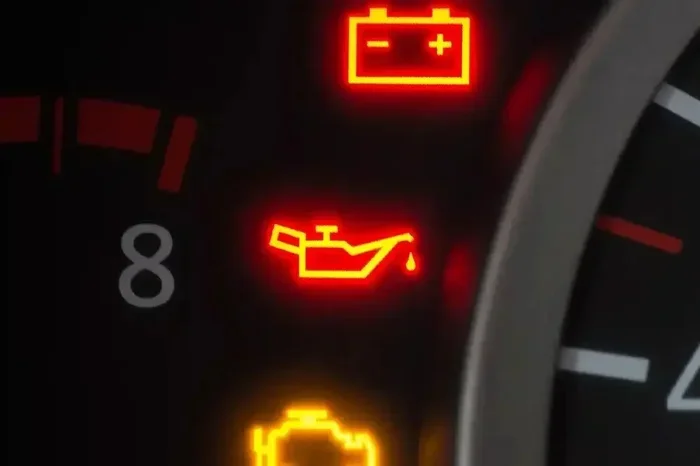
- Dashboard warning lights, though many older cars like the 2017 Versa do not have a specific transmission light.
If you notice any of these, check your 2017 Nissan Versa trans fluid right away. Catching low fluid early can save you from a full transmission rebuild.
How to Check the Trans Fluid Level on a 2017 Nissan Versa
Checking the fluid level on a 2017 Nissan Versa is a quick task. The car uses a dipstick, just like the engine oil dipstick. You can do it at home with no special tools. Here is exactly how to do it.
Step-by-Step Dipstick Check
Follow these steps to get an accurate reading of your transmission fluid level:
- Park the car on a level surface.
- Start the engine and let it warm up for about 5 minutes.
- Shift through all gears (P, R, N, D, L) and then return to Park.
- Leave the engine running and open the hood.
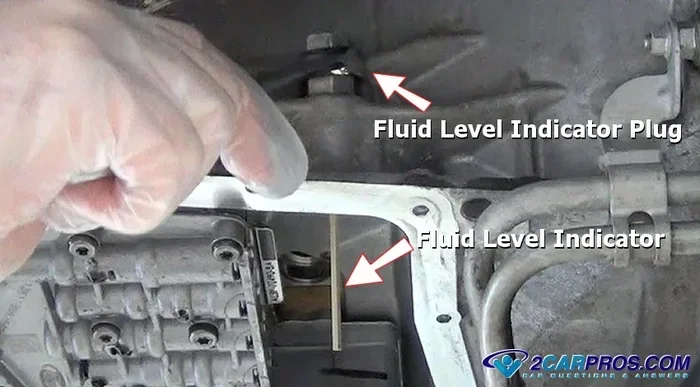
- Locate the transmission fluid dipstick. It usually has a bright handle and is near the back of the engine bay.
- Pull the dipstick out, wipe it clean with a rag, and reinsert it fully.
- Pull it out again and look at the fluid level. You should see marks for “Full” and “Add.”
- Check the color and smell of the fluid at the same time.
When to Check the Fluid
The best time to check your 2017 Nissan Versa trans fluid is when the engine is warm. Cold fluid will not give you an accurate level. However, do not check it right after a long drive when the fluid is extremely hot. A short 5-minute drive is perfect. The fluid should be warm but not scorching. Always check with the engine running, as the transmission needs pressure to show the correct level.
How Much Trans Fluid Does the 2017 Nissan Versa Need?
Knowing how much fluid to add is just as important as knowing how to check the level. The 2017 Nissan Versa has a specific capacity for its transmission fluid. Overfilling can be just as bad as underfilling.
Fluid Capacity and Type
The 2017 Nissan Versa uses a continuously variable transmission (CVT). It requires a special Nissan CVT fluid or a fluid that meets Nissan’s NS-3 specification. You cannot use regular automatic transmission fluid (ATF) in most cases. Always check your owner’s manual for the exact part number. The total capacity for the system is typically around 7.4 quarts, but you will only need to add a small amount if you are just topping up.
Adding Fluid the Right Way
When you need to add trans fluid, follow these steps:
- Use a funnel that fits the dipstick tube.
- Add the fluid slowly, a little at a time.
- Check the level with the dipstick after each small addition.
- Stop when the fluid is right at the “Full” mark.
- Never go past the “Full” line.
Adding too much trans fluid can cause foaming, which leads to poor lubrication and transmission damage. Go slow and be patient.
Common Mistakes When Adding Trans Fluid
Even simple tasks can go wrong if you are not careful. Here are the most common mistakes people make when adding trans fluid to their 2017 Nissan Versa.
Overfilling and Underfilling Risks
An overfilled transmission can cause the fluid to foam. Foamy fluid loses its ability to transmit hydraulic pressure properly. This can lead to slipping gears and erratic shifting. On the other hand, underfilling means the transmission does not get enough lubrication. Both extremes shorten the life of your Nissan Versa transmission. Always aim for the “Full” mark on the dipstick, not above it.
Using the Wrong Fluid Type
This is a critical point. The 2017 Versa CVT requires specific fluid. Using a generic automatic transmission fluid that is not compatible with CVTs can cause severe damage. The internal clutches and belts in a CVT need the friction modifiers found in Nissan CVT fluid. If you are unsure, take a look at the old fluid on the dipstick. Healthy fluid is reddish-brown and transparent. Dark, burnt-smelling fluid means it is time for a full change, not just a top-up.
Topping Up vs. Changing the Fluid
There is a big difference between adding a little fluid and changing all the fluid. Topping up is what you do when the level is low but the fluid is still in good condition. A full change replaces all the old fluid, which is recommended at certain intervals.
Fluid Change Intervals
Nissan does not always list a strict change interval for the 2017 Versa, but many experts recommend changing the transmission fluid every 60,000 to 100,000 miles. If you drive in severe conditions—like heavy traffic, towing, or extreme heat—you may need to change it more often. Check the condition of the fluid regularly. If it looks dark brown or smells burnt, do not just top it up. Plan a full fluid and filter change.
DIY or Professional Service?
Topping up the fluid is an easy DIY job. You just need the right fluid, a funnel, and a clean rag. A full fluid change is more involved. It usually requires lifting the car, draining the pan, replacing the filter, and refilling the system. If you are not comfortable with that, take your 2017 Nissan Versa to a trusted mechanic. The cost of a professional fluid change is much lower than the cost of a new transmission.
Conclusion: Keep Your 2017 Nissan Versa Transmission Healthy
Knowing when you have enough 2017 Nissan Versa trans fluid is a simple skill that pays off big time. Regularly checking the transmission fluid level with the dipstick, watching for warning signs, and using the correct fluid type are all part of basic car care. You do not need to be a mechanic to do these things. With a warm engine, a clean rag, and the right bottle of Nissan CVT fluid, you can keep your automatic transmission shifting smoothly for years to come.
Take a few minutes today to check your trans fluid. If it is low, add just a little at a time until you reach the “Full” mark. Make it a habit, and your 2017 Nissan Versa will reward you with reliable, trouble-free driving. Your transmission works hard for you—give it the care it deserves.
Frequently Asked Questions
How do I know if my 2017 Nissan Versa needs more trans fluid?
If your car hesitates when shifting or the engine revs higher than usual without a speed increase, the transmission fluid level may be low. Check the dipstick with the engine warm and running to confirm.
What type of transmission fluid goes in a 2017 Nissan Versa?
The 2017 Versa uses a CVT and requires Nissan CVT fluid that meets the NS-3 specification. Using the wrong fluid can damage the transmission, so always check the owner’s manual or ask a dealer.
Can I add trans fluid myself to my 2017 Nissan Versa?
Yes, topping up is a straightforward DIY task. You just need a funnel, the correct fluid, and a few minutes. Follow the dipstick method and add fluid slowly to avoid overfilling.
What happens if I overfill the trans fluid in my Nissan Versa?
Overfilling causes the fluid to foam, which reduces hydraulic pressure. This can lead to slipping gears, rough shifting, and potential transmission damage. Always stop at the “Full” mark on the dipstick.
How often should I change the transmission fluid in my 2017 Nissan Versa?
While Nissan does not set a strict interval, many experts recommend changing the transmission fluid every 60,000 to 100,000 miles. If the fluid looks dark or smells burnt, change it sooner.
Is it normal for trans fluid to get low over time?
A very small amount of fluid loss can happen naturally, but a significant drop usually indicates a leak. If you find yourself needing to add trans fluid frequently, have a mechanic inspect the transmission for leaks.